As you may have gleaned from the title of this post, yes, I am still in Baku enjoying my downtime before starting the next tour/the arrival of my travel companions for the Caucus leg.
Yesterday, I joined a “free walking tour” of the Old Town, which was excellent. We started with an introduction to Baku – did you know that Baku is the lowest lying capital city in the world at 28m below sea level (it is also the largest city in the world located below sea level). However, this is totally fine as the Caspian Sea (being a lake, not a sea) is also below sea level. We do not know when the city was founded, but it became the capital of the region in the 12th century when the previous capital (to the North) was destroyed by an earthquake. Up until the late 1800s everyone lived within the city walls (now unsurpisingly called the Old Town which still has 3,000 inhabitants), but by 1901 oil was discovered an the city expanded rapidly with people from all over the USSR and Europe. The city outside the wall was known as “boom town” (more excitingly named in my humble opinion).
Originally, the city had two walls, the only surviving wall is the inner (higher) wall and an outer lower wall. Between the two was a moat filled with oil, which would be burnt if the city was invaded (Game of Thrones stylee). The outer wall was demolished in the 1880s as it was no longer needed. The photograph below shows the original entrance gates to the city built in the 12th century by the ruling Shirvanshah’s dynesty. The symbols of the lions and bull are their emblem: the lion is a symbol of power, courage and royalty, and the bull is a symbol of fertility, strength, and virility Apparently, that was exactly what you needed to protect the city.
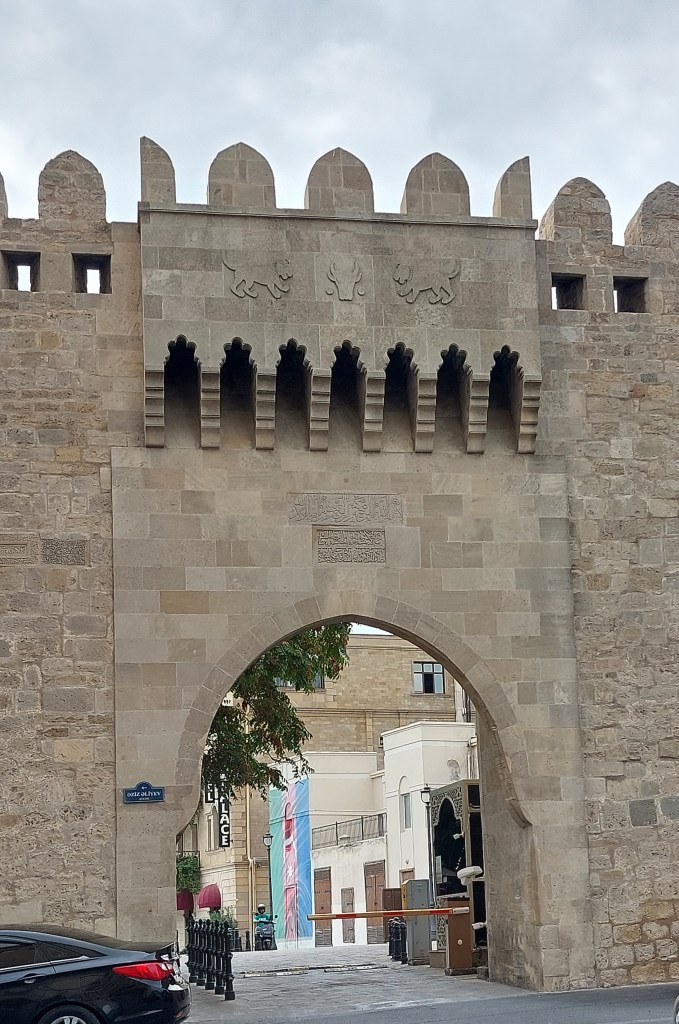
Once you were through the gates, and passed the quarantine, the first stop (just to the left of the gates) was the Yeralti Haman where one could wash off the dust (and smell) of the road before wandering about the city/checking in to one’s caravanserai.
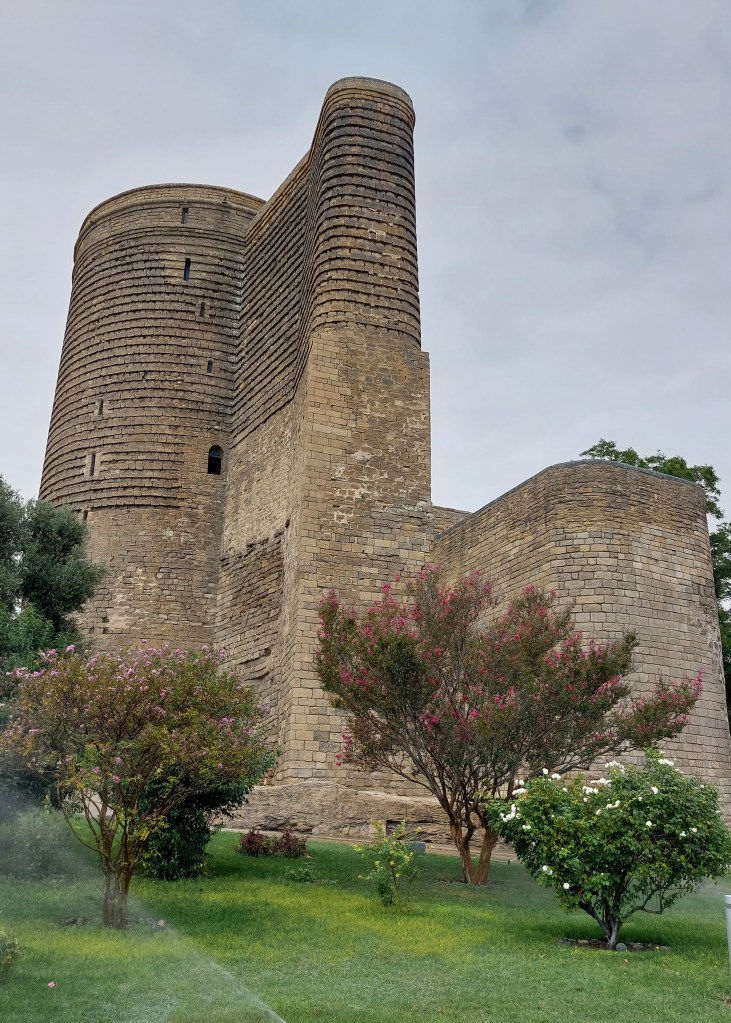
A short walk from the haman is the Maiden Tower, this is THE symbol of the city and it confuses historians and archeologists to this day. It was probably built in the 12th century i.e. the same time as the wall, but this is disputed as it was built with different stones from the wall and it does not refect Islamic design of this period/the walls. There is also disagreement as to why it was built, originally the Caspian Sea used to come to the base of the tower and it was either a watchtower, an observatory (the windows align to 1 direction like a calendar) or a Zororastian temple. In the 19th century it was used as a lighthouse. Over the years, it has inspired many tales of maiden’s jumping to their deaths including an Azerbijani ballet entitled “The Maiden Tower”.
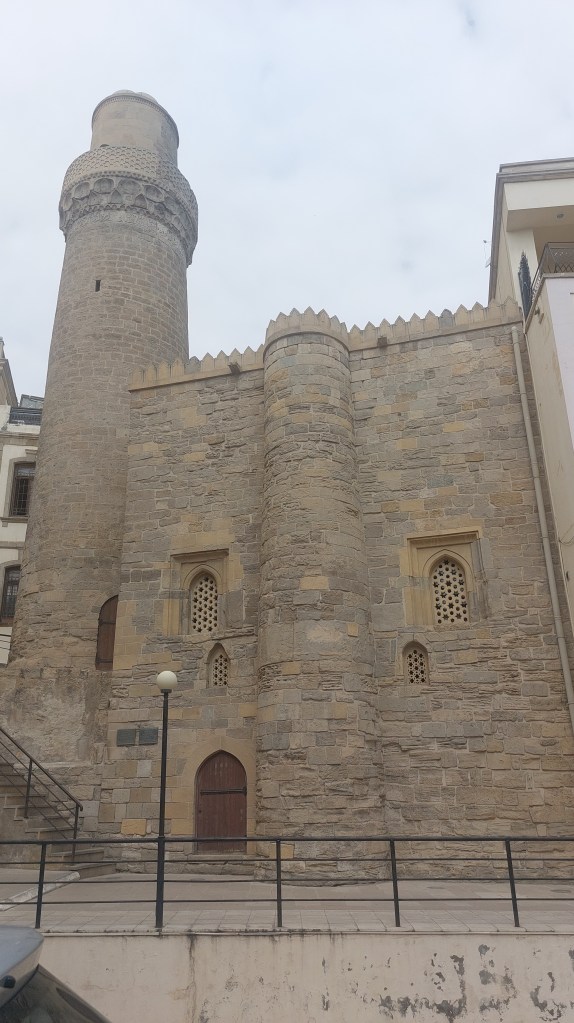
We also walked by (as it’s no longer in use/closed for visitors) Muhammed mosque, which dates back to 1078/9 and is the first building in Baku related to Islam. This triggered a discussion about Islam in Azerbijan. 96% of the Azerbijani population are muslim. However, Azerbijan is the 13th least religious country with only 1% of the population attending mosques even once a week. Azerbijan also has the second highest alcohol consumption of any Muslim country! However, although the country is not religioiusly conservative, it is culturally conservative – gender roles are still very much enshrined, and apparently it is unusual for women to be out alone after dark (which reflects what I have seen) and dress (for both sexes) is conservative.
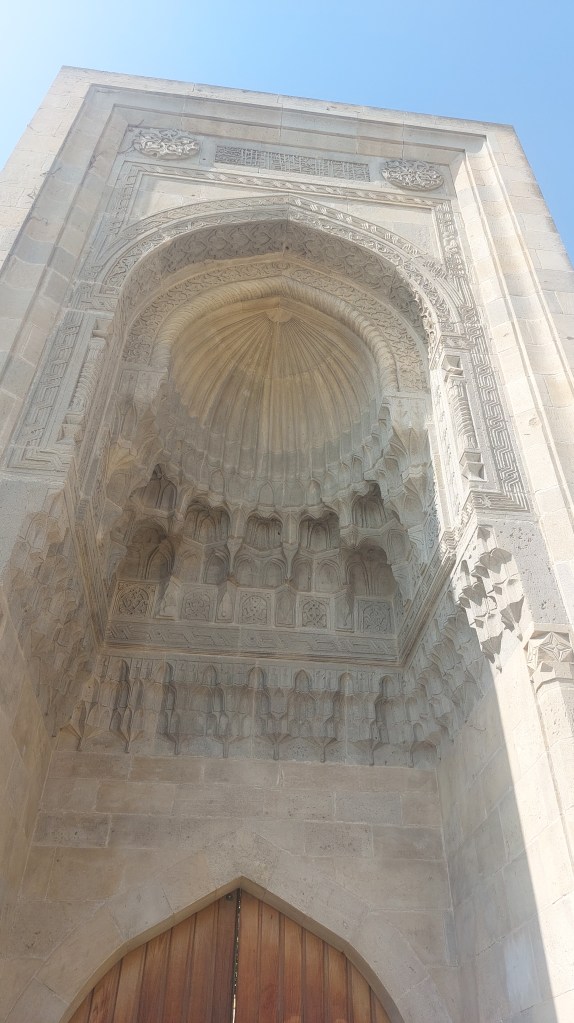
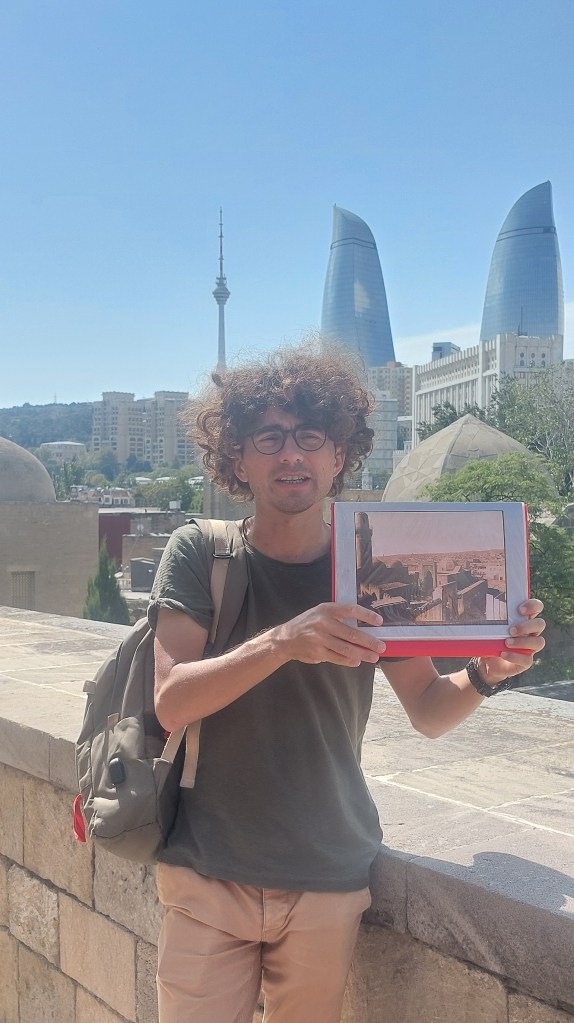
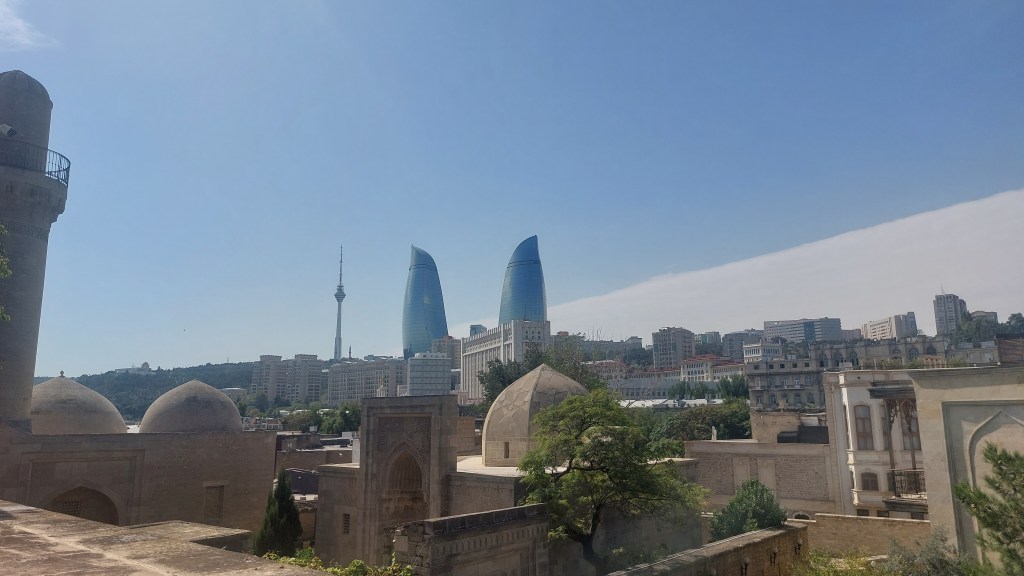
We then climbed up a gizzilion (I may be exaggerating) stairs up to the entrance to the 15th century Shirvanshah’s palace. I am planning to visit this later in my trip, so it was just a view from the outside today:
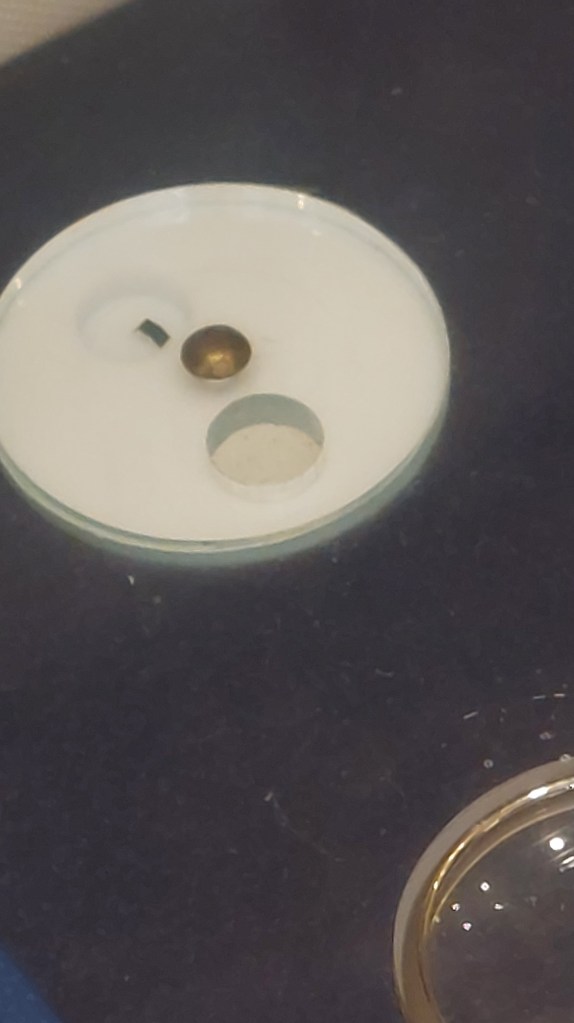
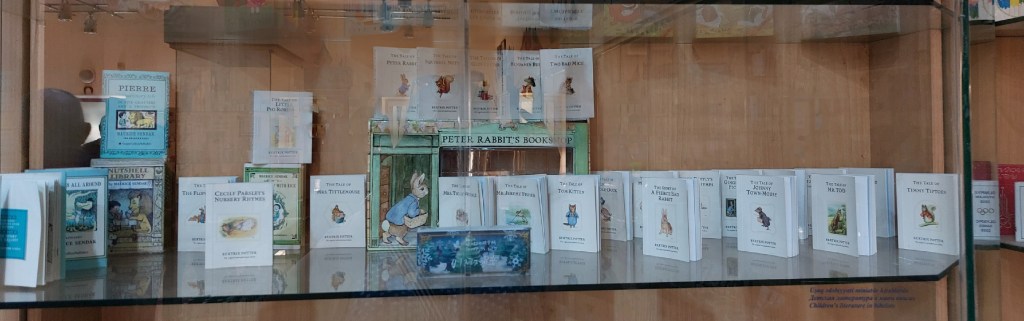
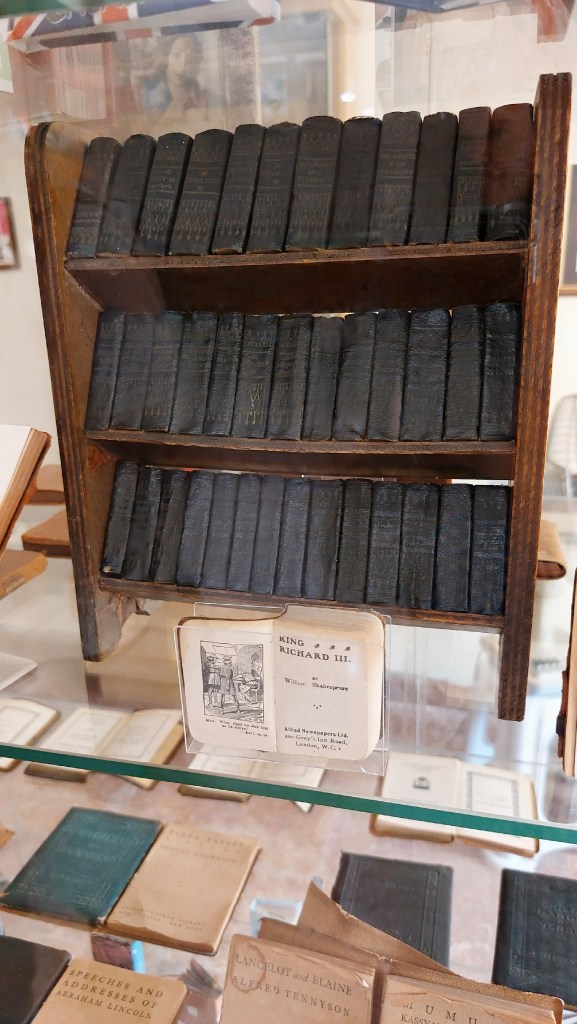
We also popped into the Minature Book Museum, which is a rather interesting passion project of one woman. There are 9,000 books from 93 countries – some are not actually that small, e.g., I am pretty sure I have read those Peter Rabbit books, but there is a microbook measuring 0.075mm:
We then left the Old City and into Boom Town, heading along Istiqlaliyyet Street (used on the F1 circuit) with key buildings being pointed out. Boom town was built in the early 19th century when the rest of the Russian empire and Europe arrived to take advantage of the discovery of oil. In the 1900s, Azerbijan was producing 50% of the world’s oil, and these oil baron’s made themselves rich as a result. Many of them started building elaborate buildings using Polish architects borrowing heavily from French and Italian design.
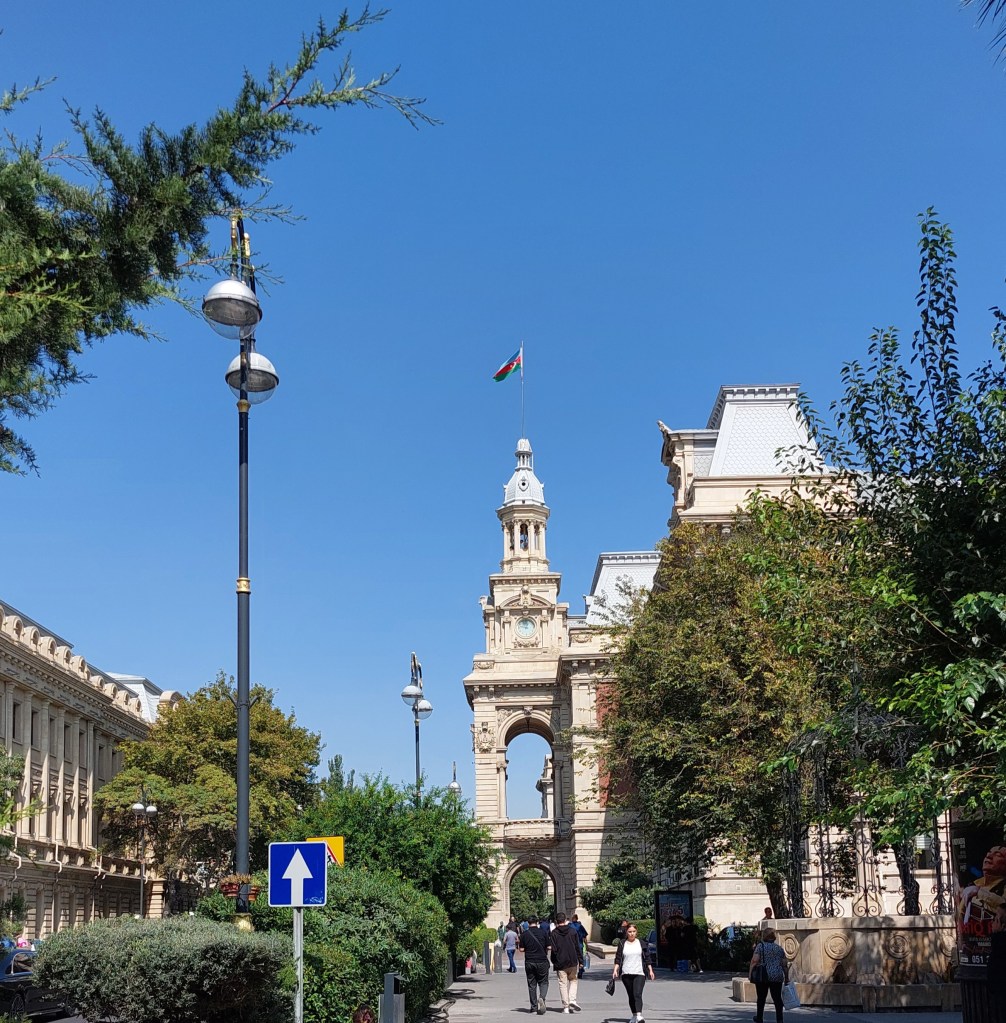
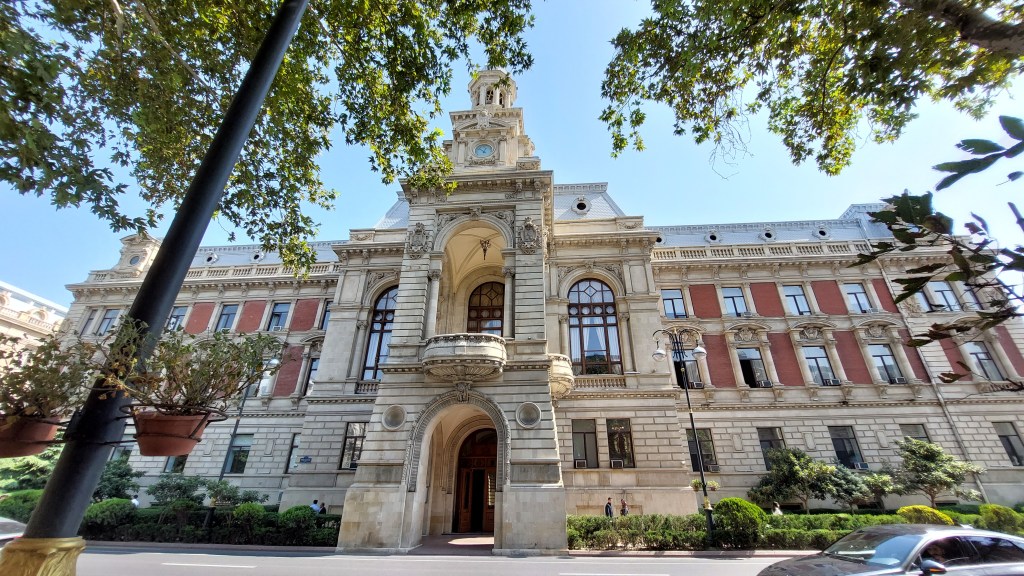
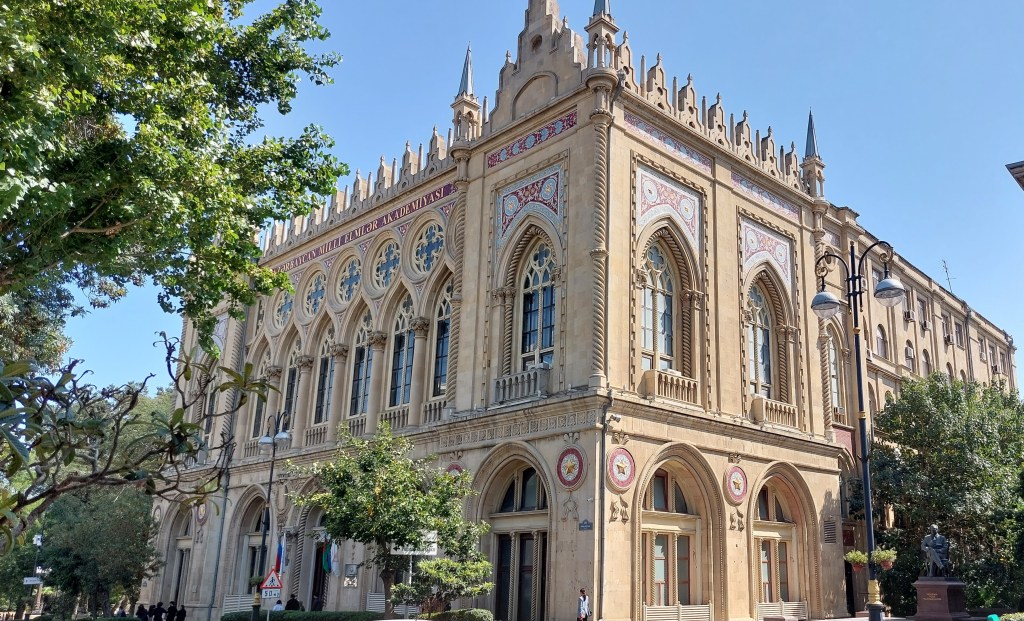
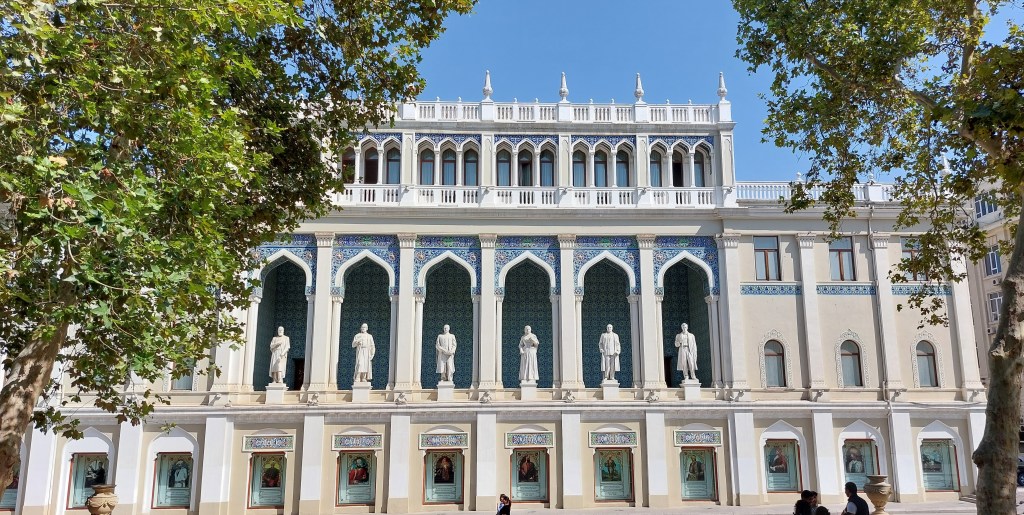
We also passed the building formerly housing the first Muslim secular school for girls in the Middle East, which opened 1898. Among many other philanthropic actions, it was founded (and funded) by Zeynaladbin Taghiyev. He was met with much resistance (I mean, why would you bother educating girls?!) from both the Russian government and Muslim clergy, but he argued that by educating girls they would pass this knowledge onto their families and stay to benefit local communities, unlike boys who tended to move abroad (sound familiar?). He eventually obtained personal permission from Empress Alexandra, and the school was named after her. In 1918, the school moved, and the building was given by Taghiyev to be used by the first parliament of the Independant Azerbijan – one of its first acts was giving women the right to vote. Independence didn’t last long with the Soviet’s invading in 1920 and staying until 1991.
Post walking tour I had an excellent meal of dolmades and some fantastic aubergine thing called a mangal salad (chunks of roasted smoky vegetables), and then I failed at taking a bus home so I walked (including slogging up the hill). Tomorrow, I will conquer buses!
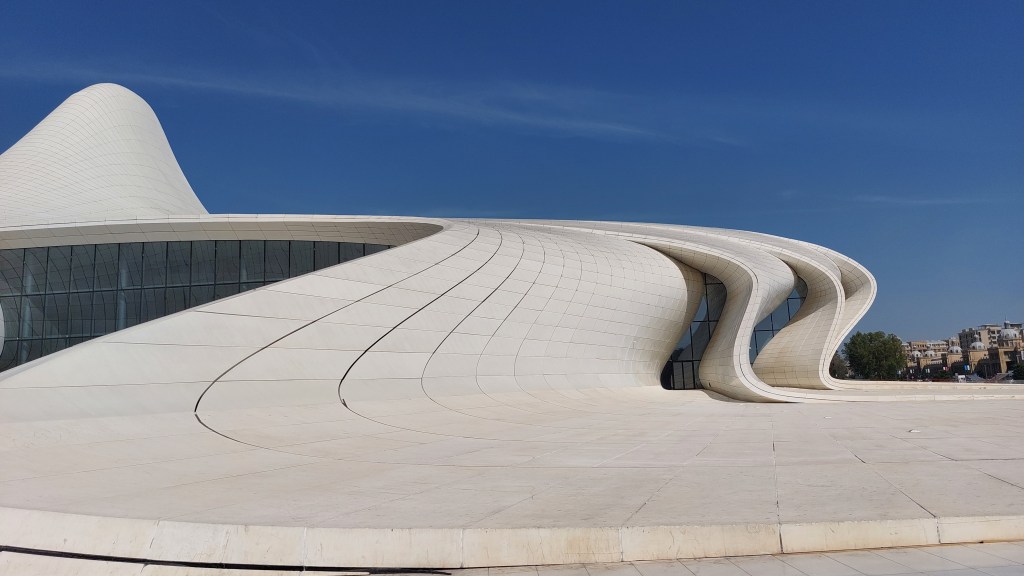
Today, I went to the Heydir Aliyev Center (and I cheated and took a Bolt there!). It was designed by Zaha Hadid and was opened in 2012. There is not a single straight line anywhere in the building, and its shape is intended to resemble a wave-like ascension from the ground to the sky, followed by a gradual descent back to the Earth. I know nothing about architecture, but even I can see that it is absolutely beautiful. Lots of photos to follow…
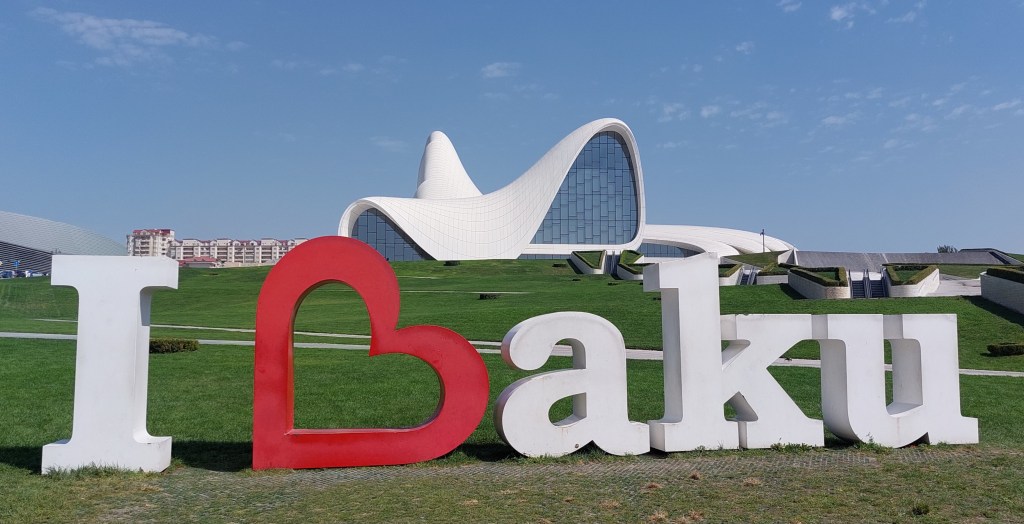
You can see the escalators in the background? Were they switched on? NOPE. So, guess what I was doing at midday on a sunny day? You guessed it – climbing up all the stairs in the full sun…
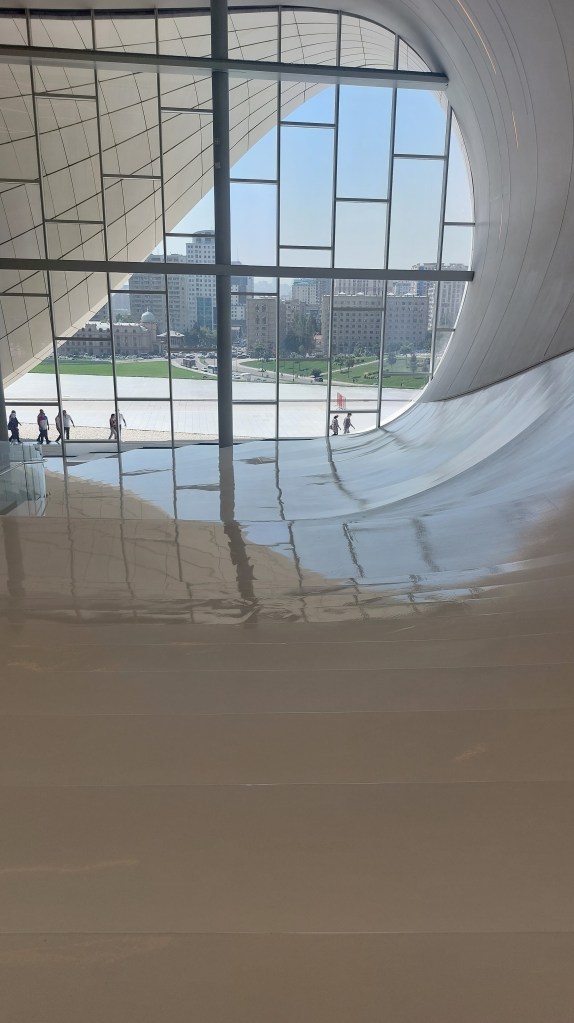
Inside the building it is just as amazing, even though the stairs were kind of scary! They were very shiny and curved to reflect the light and (as you can see) disappeared off to one side – yes, I went down them the speed of an elderly geriatric.
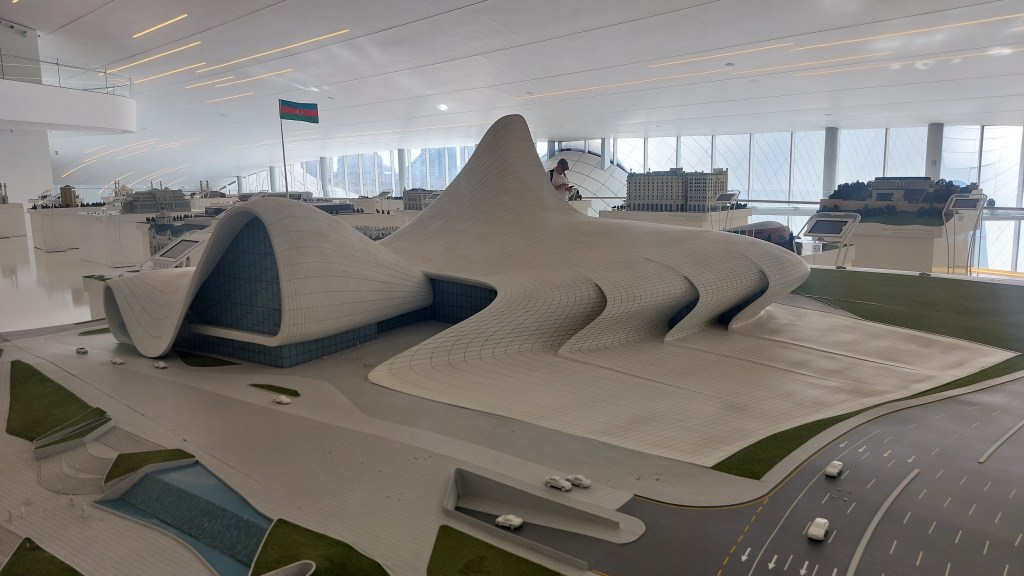
Having paid my (somewhat steep) 15 manat entrance fee, I was able to visit the museums within the building – dedicated to history, the culture of Azerbijan, musical instruments, carpets, models(?) and dolls.
Starting with the history section (which started in 1901 apparently?) one of the things that came across strongly was how much Azerbijan seems to hate Armenia. Some (all?) of labelling is incredibly biased, but from an Azerbijani perspective under the Soviet’s they lost territory to Armenia, and during the collape of the USSR more territory was given to Armenia in exchange for the Nagorno-Karabakh region. The war between 1988 and 1994 is described as a series of genocides committed by Armenia against the Azerbijani population – according to more neutral sources, genocides/ethnic cleansing was committed by both sides. It seems that hatred between Azerbijan and Armenia runs deep. Even the guide I had yesterday, who was obviously a well-eduated liberal young person, expresed some pretty strong sentiments that Armenia was a spoilt child that should be held responsible for crimes against Azerbijan, and for driving x million Azerbijanis out of their homes. His view was that Nagorno-Karabakh is (and will remain) part of Azerbijan, but if people want to stay, they need to accept Azerbijani citizenship. There is also an overtone of anti-Russian sentiment, with Armenia being “under the thumb” of Russia – Azerbijan is looking West for support (mainly to Turkey, which was also active in Turkmenistan) to maintain its status as a neutral buffer between itself and Russia.
The other side of the same exhibition hall is dedicated to the former president (his son is the current president – nepotism anyone?) Heydir Aliyev. You would have thought that having visited Turkmenistan, I would be somewhat immune to cults of personality, but wow, was this pushing for it. But, according to this museum, he restored stability (mostly single-handedly) while Azerbijan was on the brink of civil war/war with Armenia and turned the country into a major oil producer. However, not mentioned in the museum is that he also ran a dictatorial and repressive regime, which has been described as creating something of a police state.
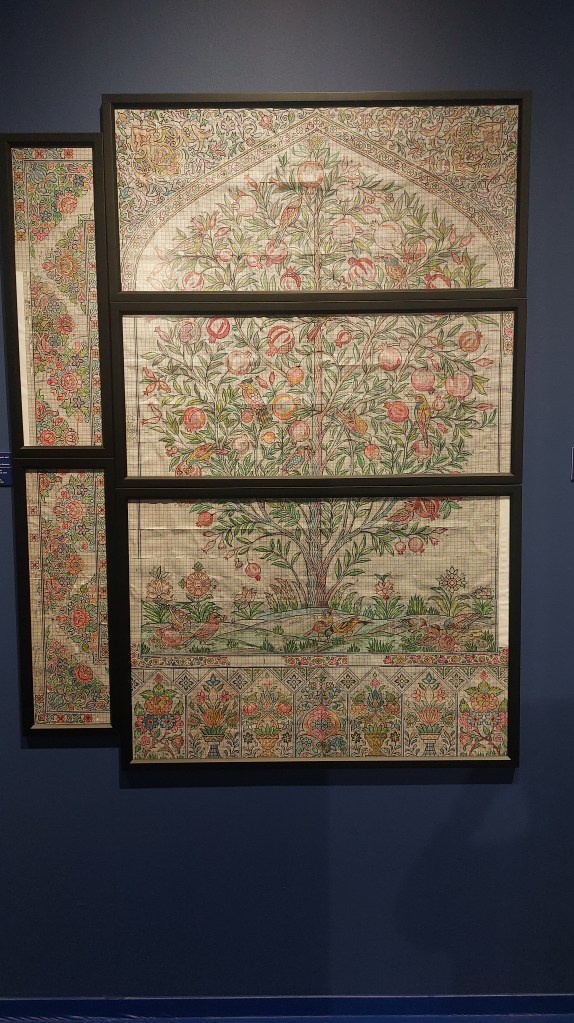
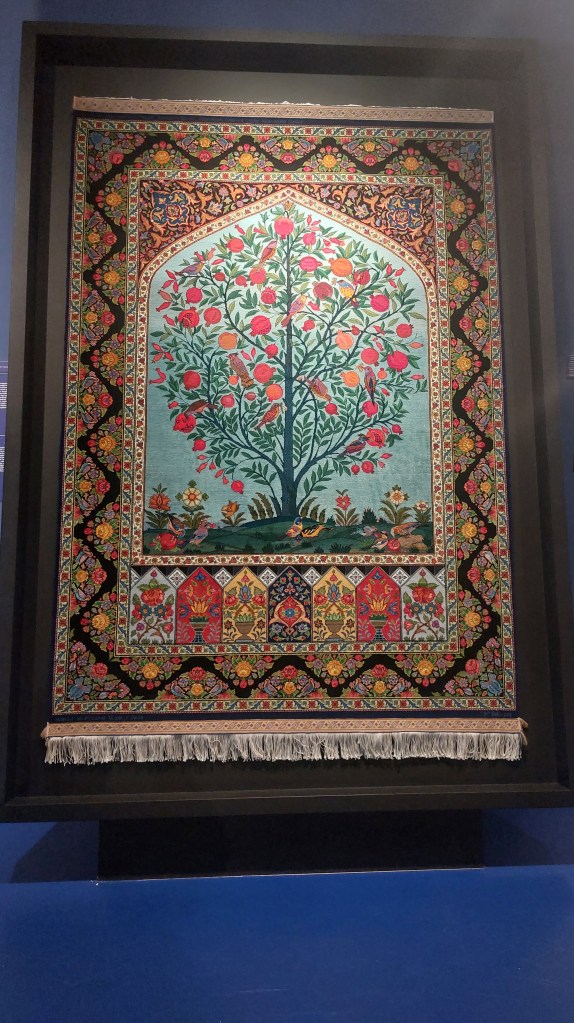
The carpet exhibition was particularly interesting as it represents the work of a man trying to revive regional carpet making, using designs inspired by the Palace of Shaki Khan’s. Even though I have seen a few carpets by this stage of the trip, it was great to see new designs and displayed next to their patterns – I can now attempt my own tree of life carpet at home:
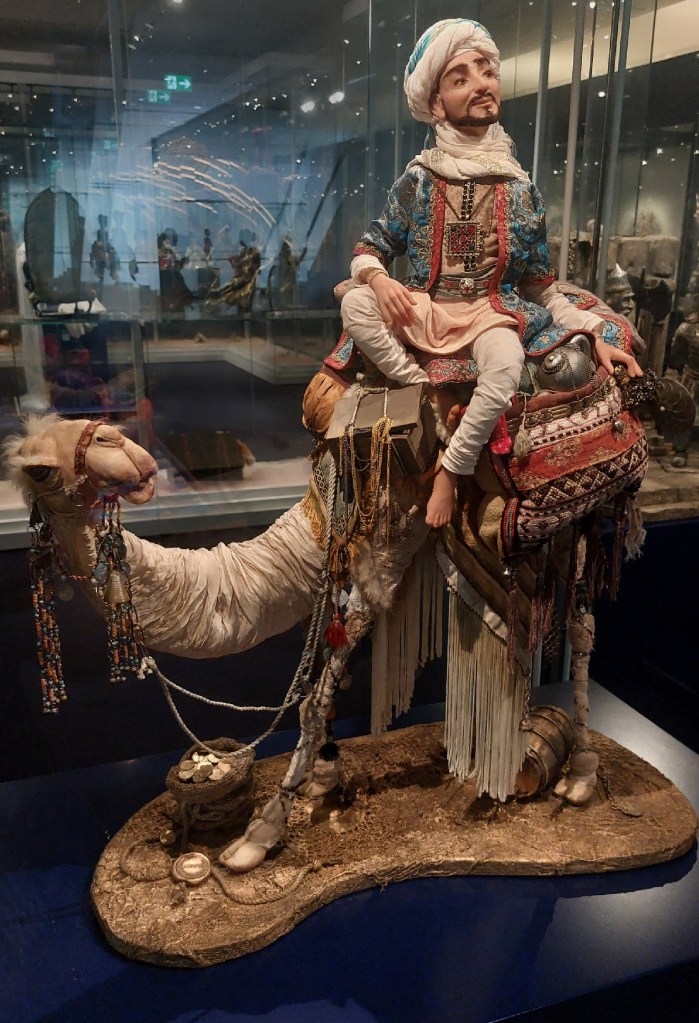
There was also an exhibition of dolls. Most of them WAY too freaky to photograph – I really do think dolls are a bit creepy. Maybe this is why I didn’t really like them as a child. A most untrustworthy toy… However, I found a few nice ones:
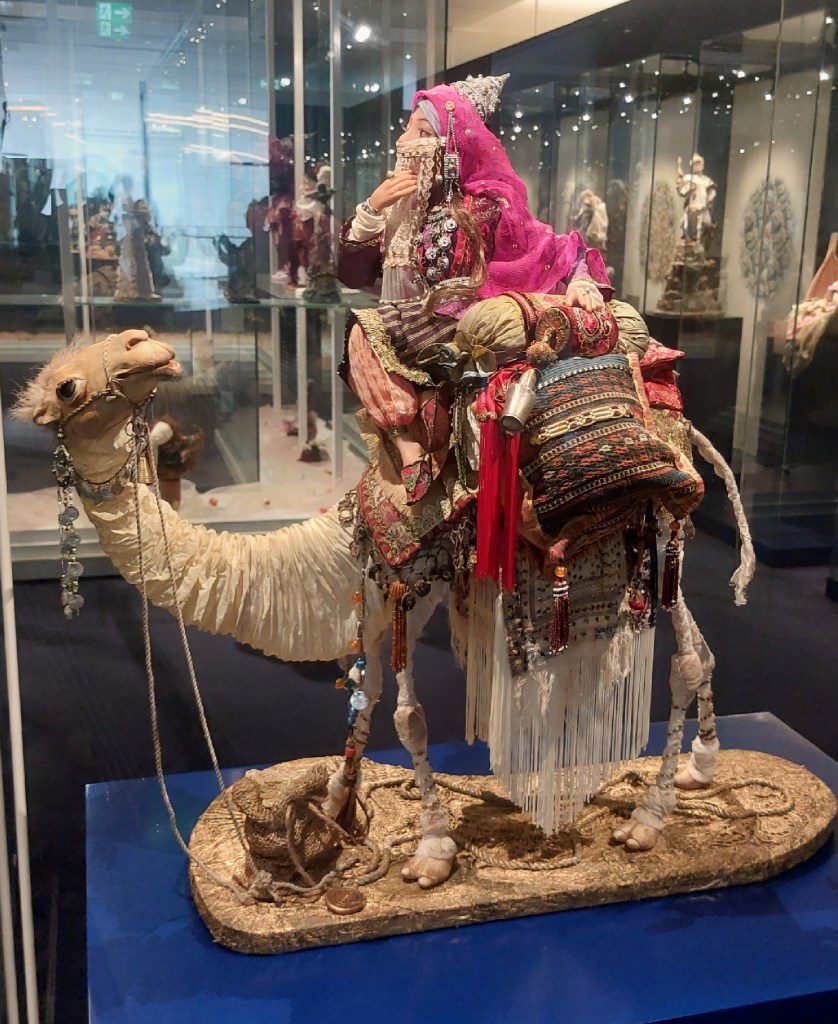
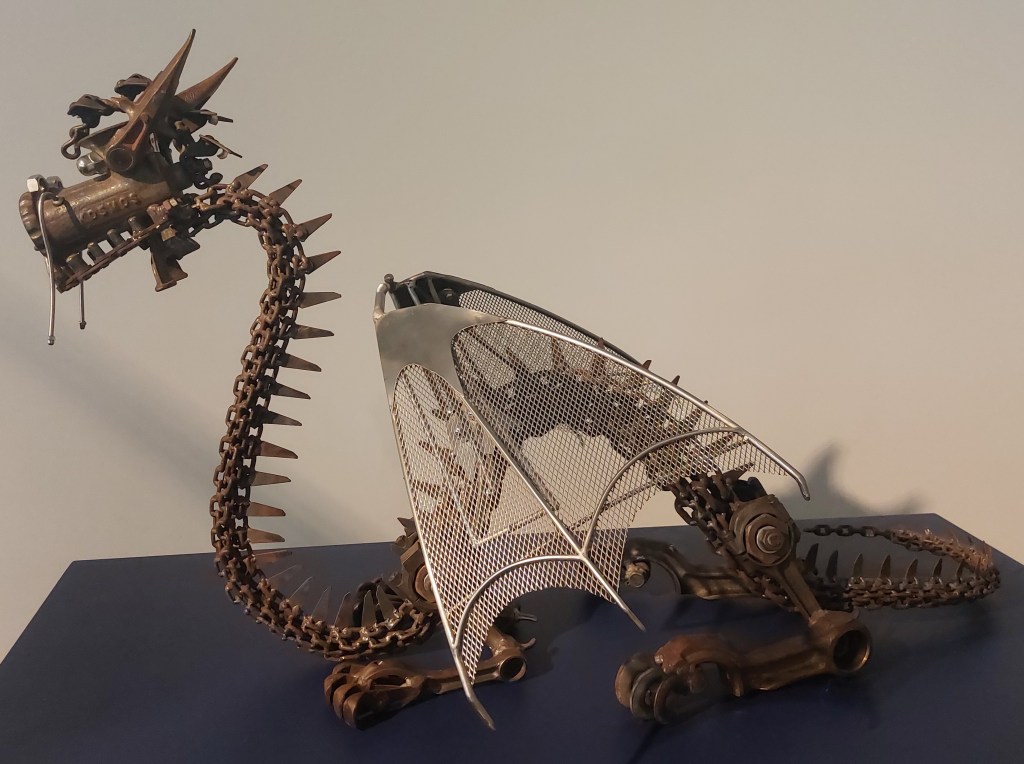
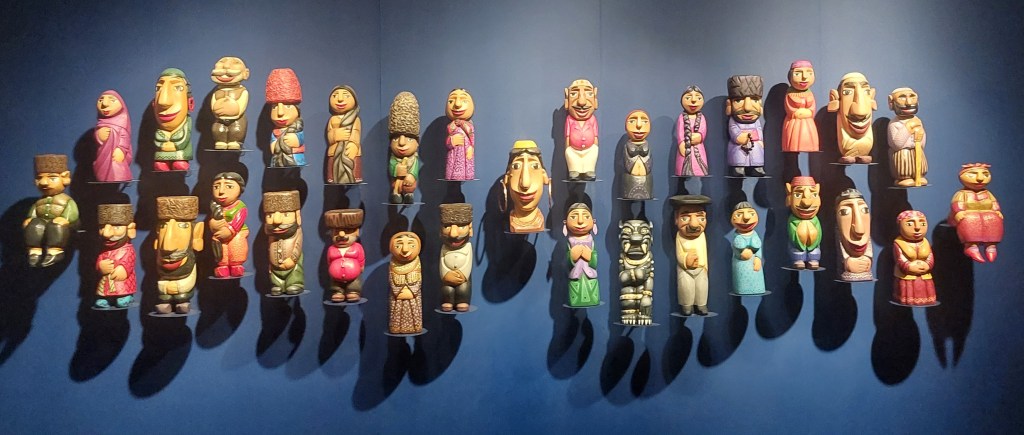
On leaving the centre, I had time for a few more photos:
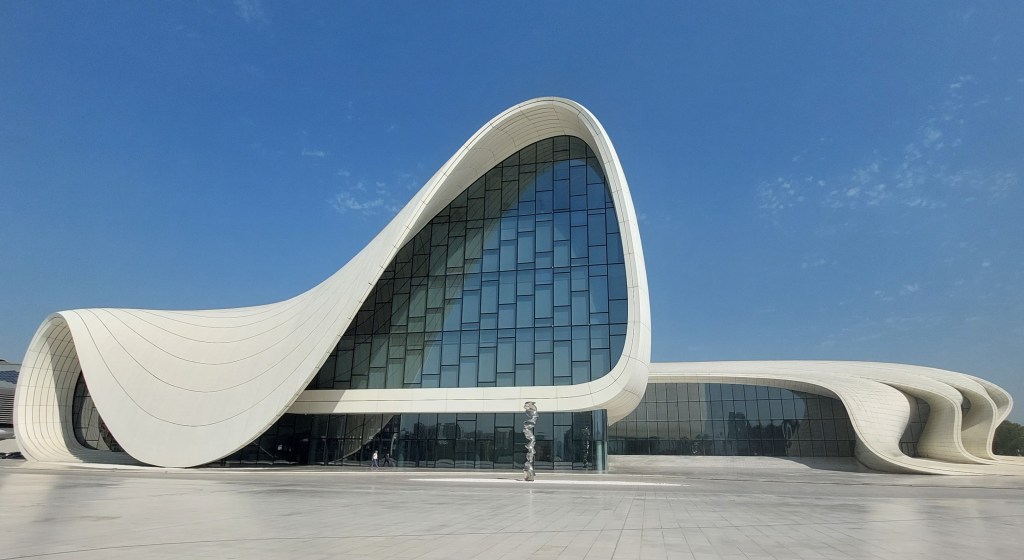

I am also pleased to report that I did indeed manage to take the (number 2) bus home. I was very proud of myself. On route home (possibly to break up the uphill walk) I stopped into my nearest mall. Well, this is evidently where the young people are (and Baku has a very young population with 45% being aged between 15 and 16), and the go-to ensemble appears to be grey joggers and slogan t-shirts. Just if you are looking to fit in!
That is probably long enough for this post, and I do need to concentrate on more relaxation time – I’ve even booked myself a massage for next week (my life is soooooo stressful. Not).


 Travels with Kathryn
Leave a comment