
Yesterday was, I suspect, the day Keith was most looking forward to – as it was trip to winery day! However, we had a few stops planned before then…
We headed off to the Eastern region of Georgia, which is the main winemaking area. It is also where Stalin is from, but we shall skip over this fact for now. Georgia claims to be the oldest winemaking country and has been making wine for over 8,000 years. They grow 525 different varities of grapes, and 75% of all Georgian grapes are grown in this region. Most families here also make their own wine, and the average Georgian drinks 1-2 tonnes of wine annually. I am relieved that Switzerland developed my ability to actually drink wine, even if not in such quantities!
Our first stop was a wee bit of a failure as we had been intending to visit the palace of King Erekle II (he of the 24 children) who ruled from 1720 to 1798. His oldest son became the last king of Georgia, however, King Erekle II is a big deal and there have been lots of references to him – particularly that he won his first battle at 15 and last at 75 so he was evidently pretty useful as a military leader. Although the kings before him had been vassels of the Persians, he did a deal with Russia in return for support against the Muslims, i.e.. let’s all be Christians together. I am not sure whether this was the best decision as ultimately Georgia was absorbed into the Russian empire, but maybe better the Russians than the Persians? Anyway, there is apparently a very interesting museum, and you can also visit the palace – just not today as they were setting up for a wine festival! Oops…
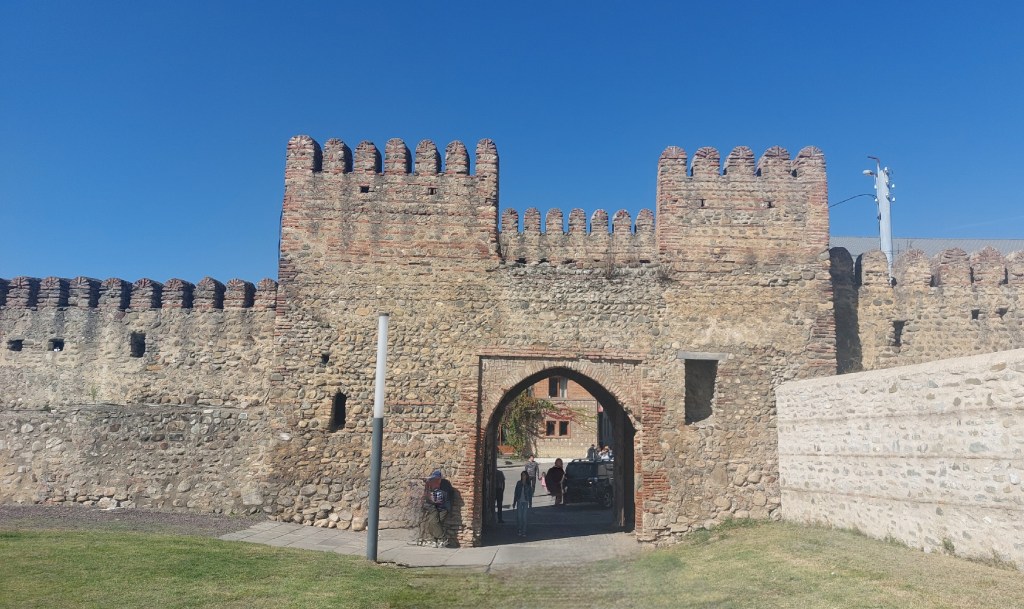
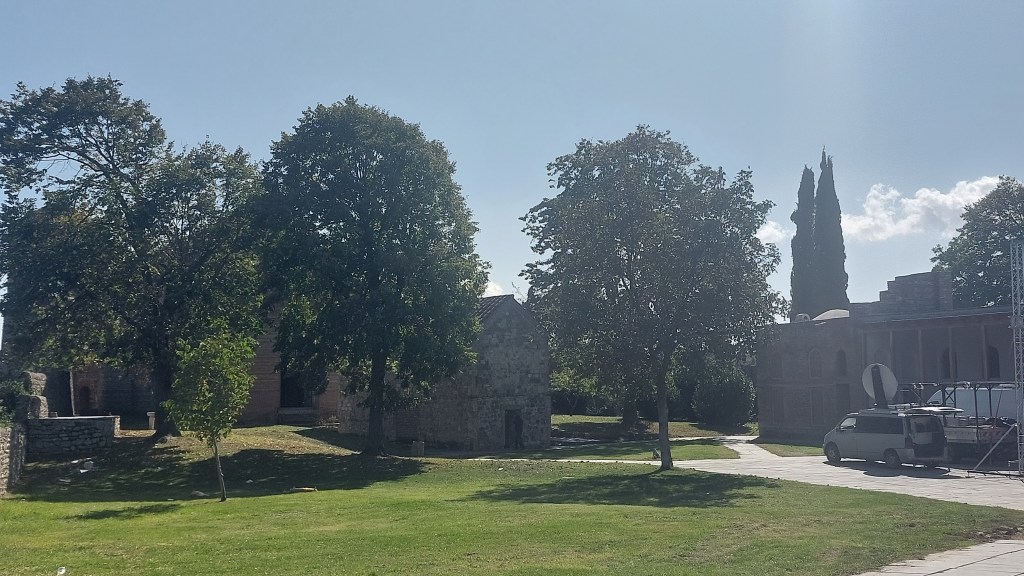
We did however, add in a little visit to see a very old tree (it was like we were trying to make the excursion worthwhile) and a statute of King Erekle II:


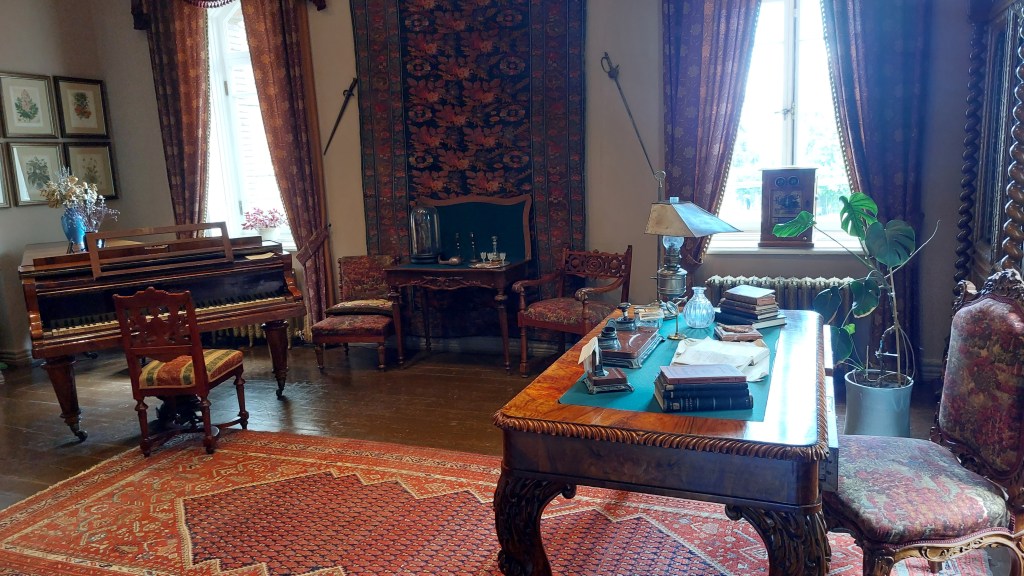
On to the Tsinandali Estate (along with bus loads of Georgian schoolchildren, which seemed odd on a Saturday), which was built by Alexander Chavchavadze. Alexander was born in 1786 and is considered to be the founder of Georgian romantic poetry. He also really spread European culture in Georgia, including importing many European items, e.g., pianos, furniture, and art. He was also the first person to start bottling wine in the European manner (more on this below). As I have mentioned, Georgia really does feel European, and this trend is credited as having started with the Chavchavdaze family.
The house is in the European style and furnished with (mainly) French furniture. He had 3 children, and his son David’s wife was captured by Persians, and the family borrowed heavily from the Russian National Bank to secure her release. This ultimately led to disaster for the family, and on David’s death, this debt was still outstanding, and the house (and extensive European garden – Georgia’s first apparently) were repossessed by the bank. However, this did ensure that the house and its furnishing have been preserved from this time and give an insight into how this family lived. Technically, no photos were allowed, but we did sneak a few:

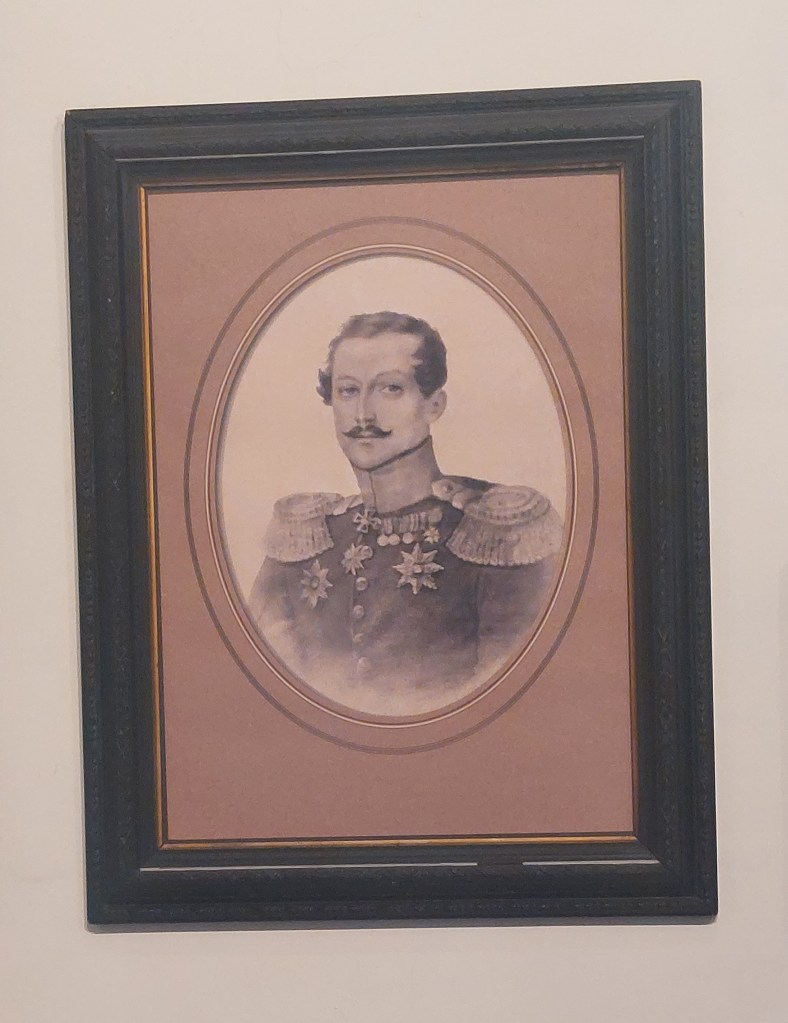
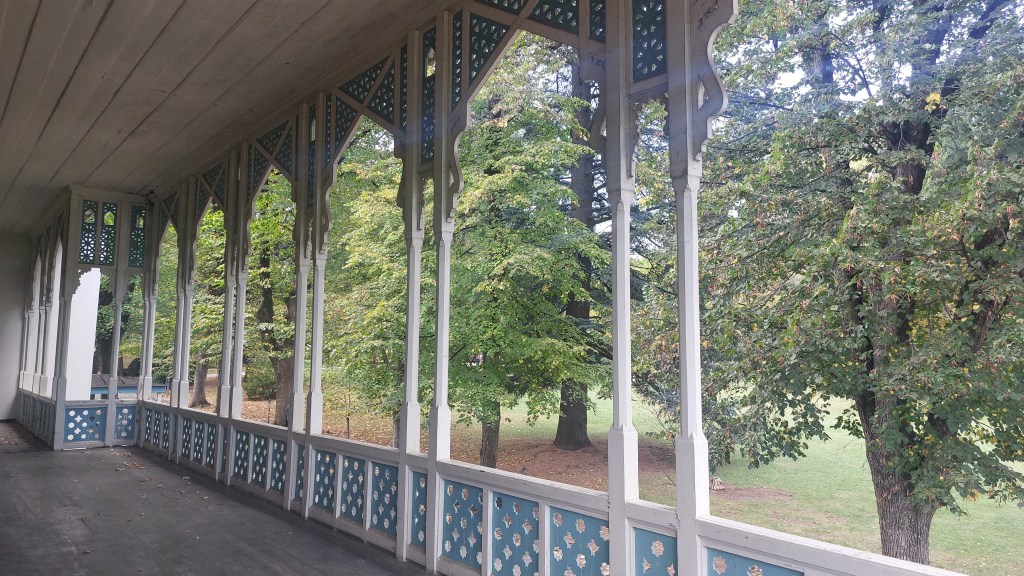
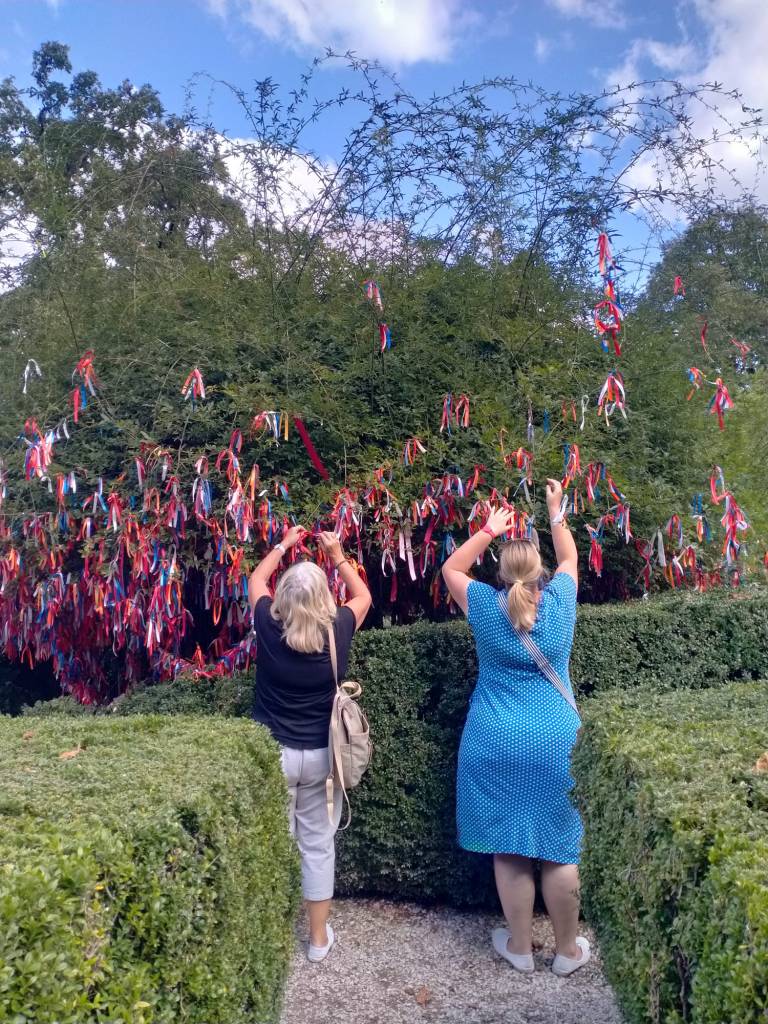
We also availed ourselves of the opportunity to use a wishing tree, always good to make a wish when one can (trees, birthday candles, in religious buildings, etc):
Our final stop of the day was what most of our group had been waiting for, the winery. We visited the Kharbea Winery, which is one of the largest in Georgia and operned in 1962. The winery is famous for its 8km of tunnels under the Caucus mountains, which ensures the wine can be maintained at a constant temperature of 12-17 degrees celcius.
Georgia have their own process for making wine:
- The grapes are picked and collected into a wooden coffin sized receptical called a satsnakheli, and then stomped on by a man wearing special boots (traditionally this was done in bare feet, but never by women as their emotional natures affect the wine…).
- This mixture is then poured into clay pots (called qvevri), which are stored underground. The qvevri are then sealed with a temporary cap, and once the producer believes it’s “ready” – described as when the mixture becomes “quiet”(!), the qvevri is sealed with a lid.
- After 6 months, the juice, seeds and skin are seperated. The juice becomes wine, the seeds are pressed into grape seed oil and the skins are fermented and made into chacha which is the local grappa and is between 45% and 95% alcohol.
- The wine may then be drunk!
This process means that the winemaker can not control the alcohol content or the dryness/sweetness of the wine, and all wine made in this manner is dry. It also gives the white wine a distinctive amber colour (from the qvevri) for which Georgian wine is famous.
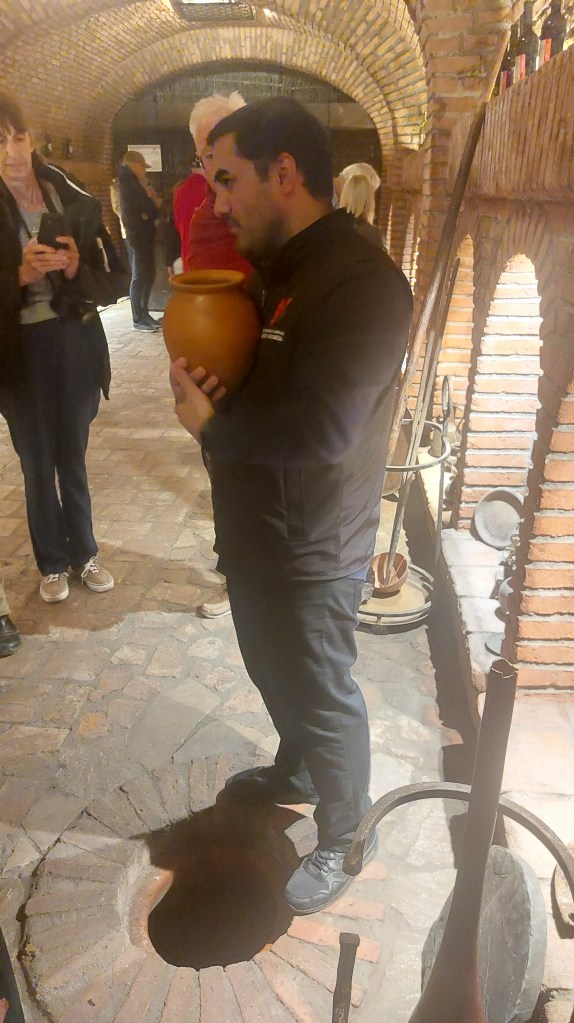
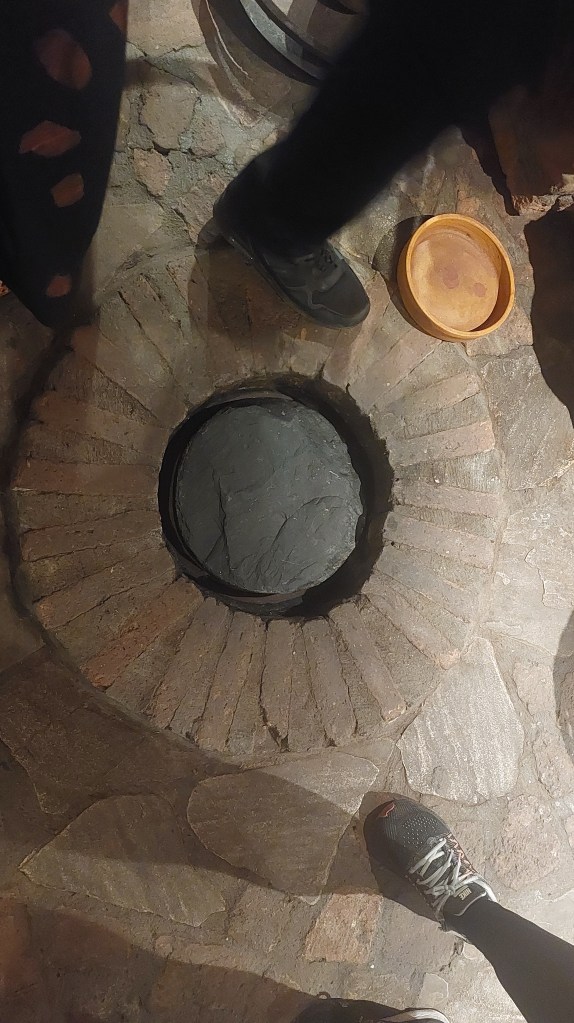
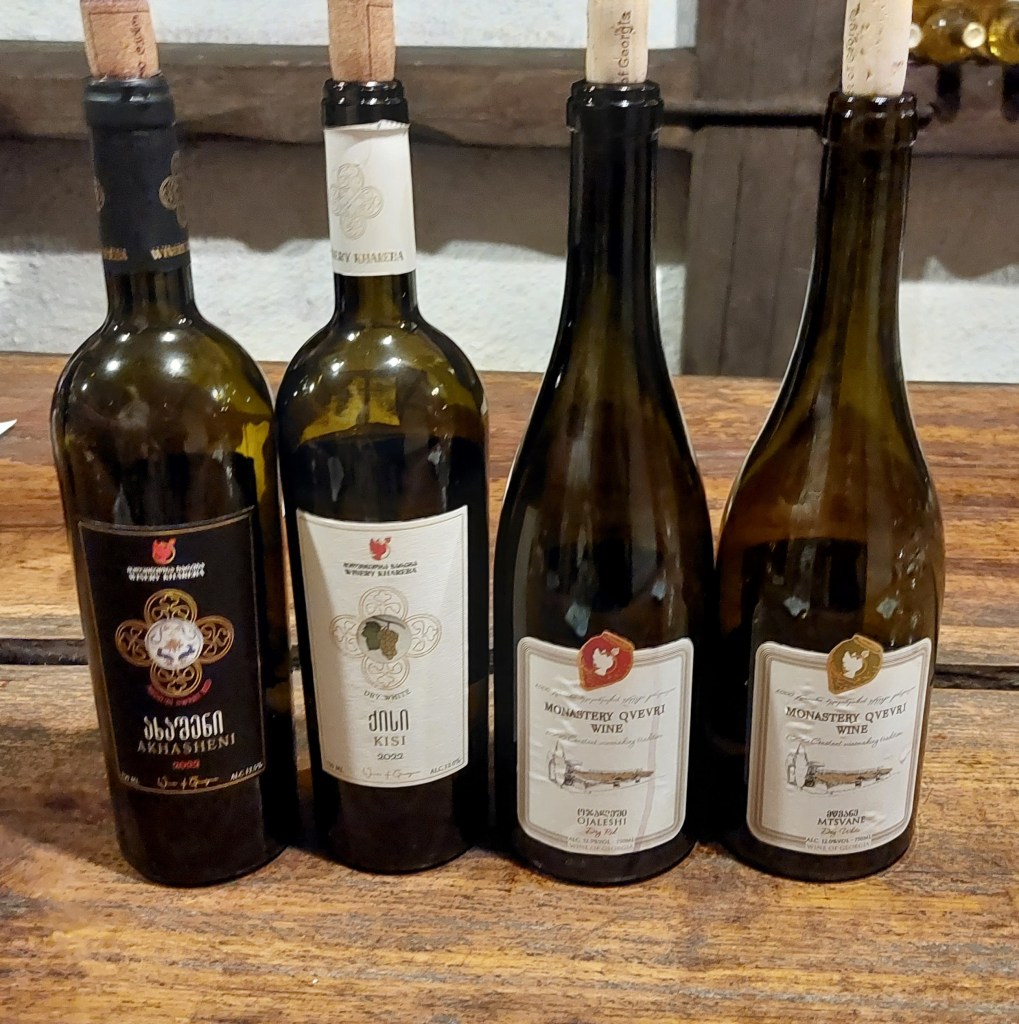
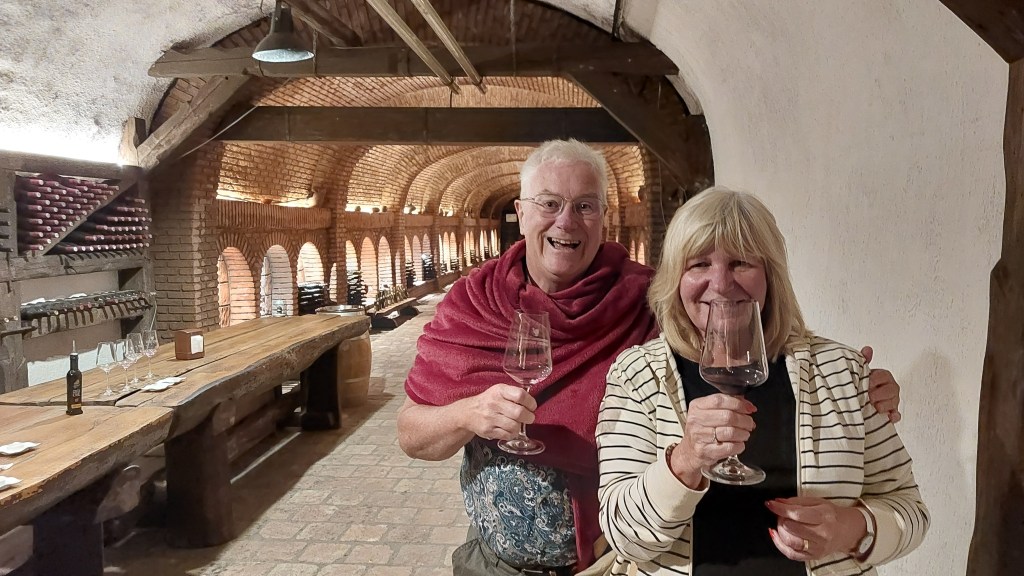
I dutifully tried all the wines on offer (even the red wine) and we sampled 2 made in the traditional manner (a red and a white) and 2 made in the European manner (again, one of each) and to be honest, I did not like any of them… However, I shall put this down to my general dislike of wine as others in the group did like some and certainly almost everyone was a little tipsy by the end of the tasting – some even on the other side of tipsy… Mentioning no names, but they know who they are.
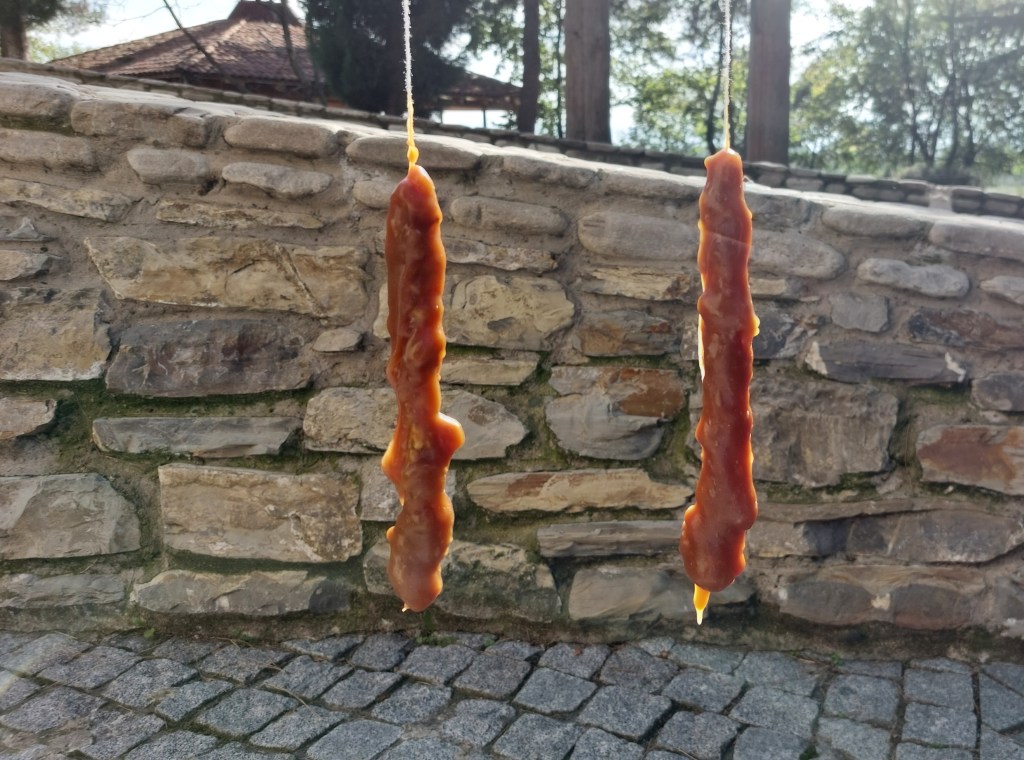
After the wine tasting, and possibly to soak up some of the alcohol(!), we had the opportunity to “make” some local bread. Effectively all were allowed to do was shape the bead, but that is possibly all they trust people to do after a wine tasting… We also made chuchkhela, which are a distinctly Georgian sweet – a string of nuts (usually a mx of walnuts and hazelnuts) dipped in a thick paste made of grape juice and wheat flour. Unfortunately, although they taste perfectly nice, it is somewhat challenging to get past their dog poo like appearance:
Certain members of the group (other people, not Mum and Keith) had been making repeated DEMANDS for cheesy bread (which was slightly doing my head in), however, eventually the bread making lady relented. Whilst annoying, it did give me an opportunity to make some. It is a basic white dough rolled into a circle, and then many handfuls of cheese are placed onto and sealed in the middle before being rolled back into a circle, poking a small hole in the top and then baked for about 15 minutes in a hot oven. I certainly feel this is something that could be easily repliciated at home!

Having stuffed ourselves with some bread, we were allowed to sample the chacha. Oh dear – anyone who wasn’t already a wee bit drunk would be by now… Now, if you ask me, it just tastes of alcohol and I can live without it. However, it did make for much quiet time on the journey back to Tblisi (what wth the napping), and even I slept very well last night…
One response to “Stage 2.4 – Kakheti”
-
After this post I definitely have to go til Georgia! Sounds like the perfect place for me 🤩. Love reading the blog ❤️/ Trine
LikeLike


 Travels with Kathryn
Leave a comment