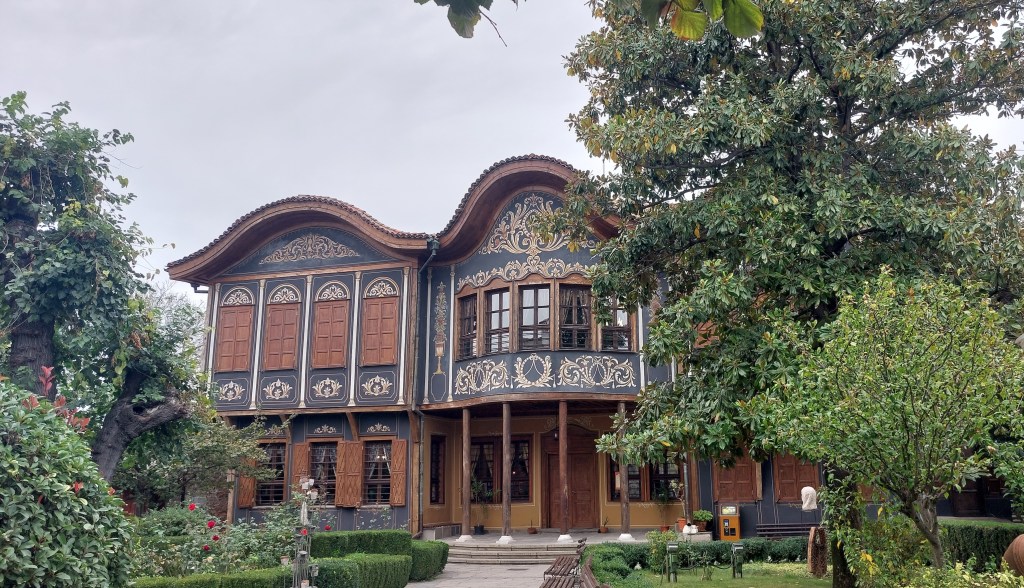
Yesterday, I went on a day trip (to Plovdiv and Koprivshtitsa), which required getting up when it was still dark(!) to meet my 8pm bus. Plovdiv is the second city in Bulgaria and is Europe’s oldest continuously inhabited city (I feel somewhere else has claimed this, I shall have to reread and check!) having been founded over 5,000 years ago. In 2019, it was the European City of Culture, and this is something the city has truly embraced, and today, it prides itself on just how cultural it is.
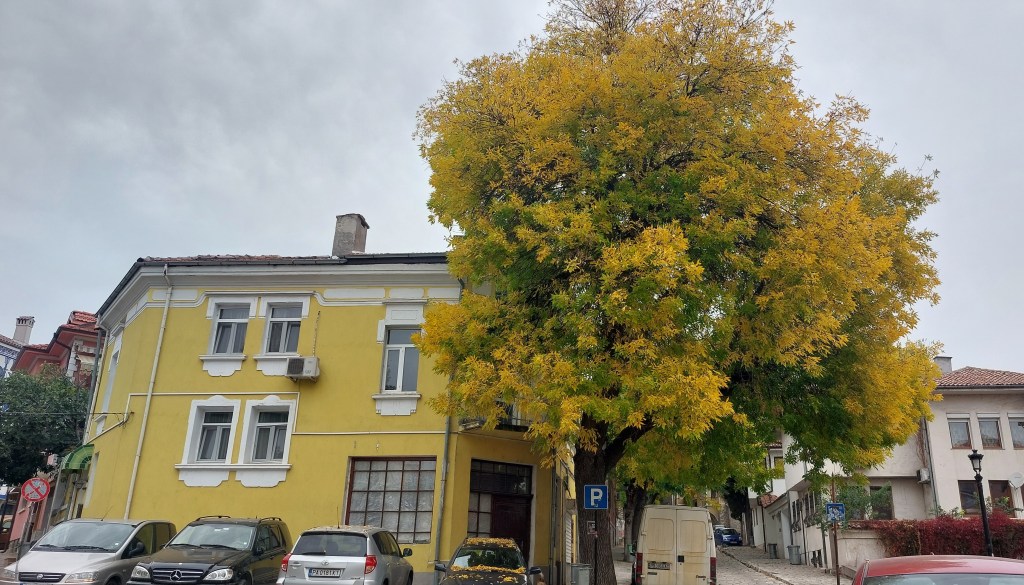
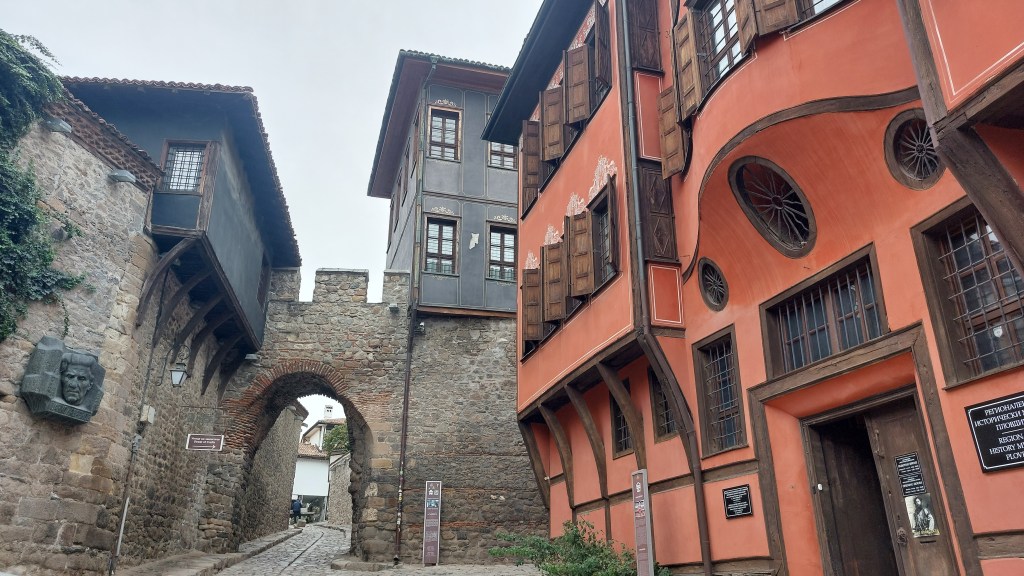
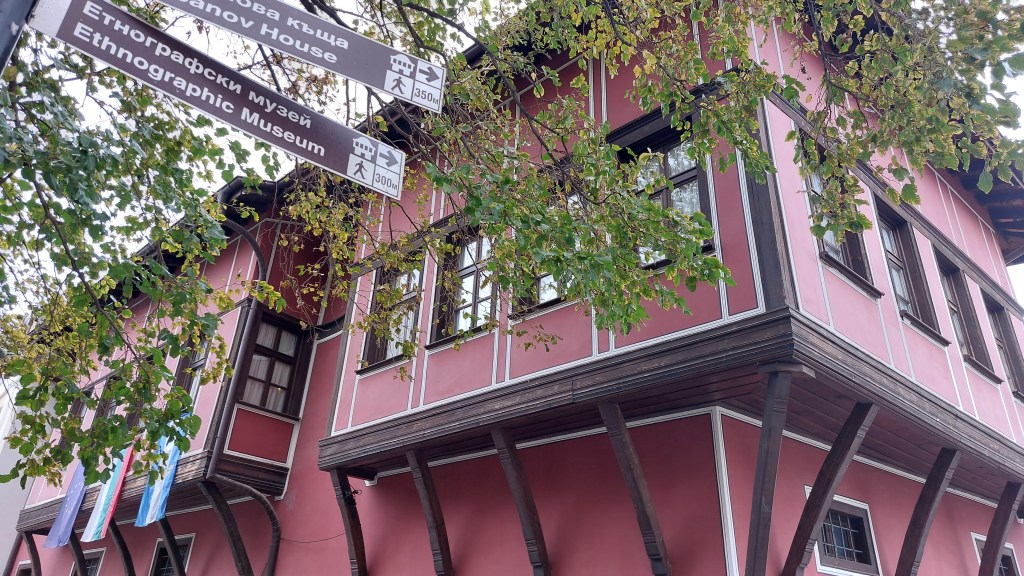
On arrival, we had a walking tour around the old town,built over 3 hills (although none as steep as Istanbul!), and it has over 200 buildings dating back 200 years. These were built during the Tsarist times when people started to travel more broadly and wanted to emulate the European style of demonstrating one’s wealth by the fanciness of one’s house.
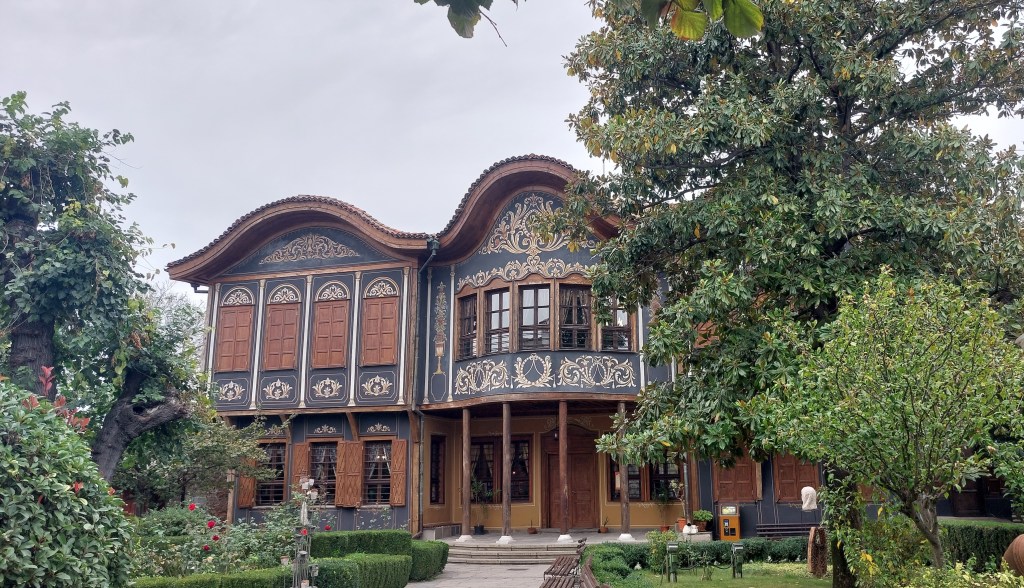
The house-y looking building below is actually a church built during Ottoman times (when non-muslim religious buildings were not allowed to be higher than a man on a horse) and it was also built to resemble a house so as to blend in to the nighbourhood and semi-apease the Ottomans:
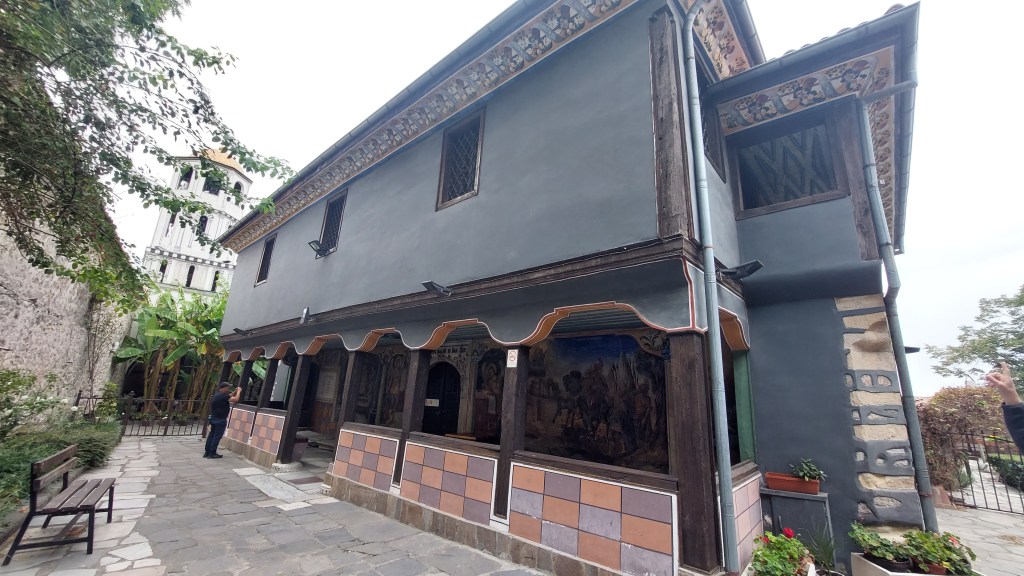
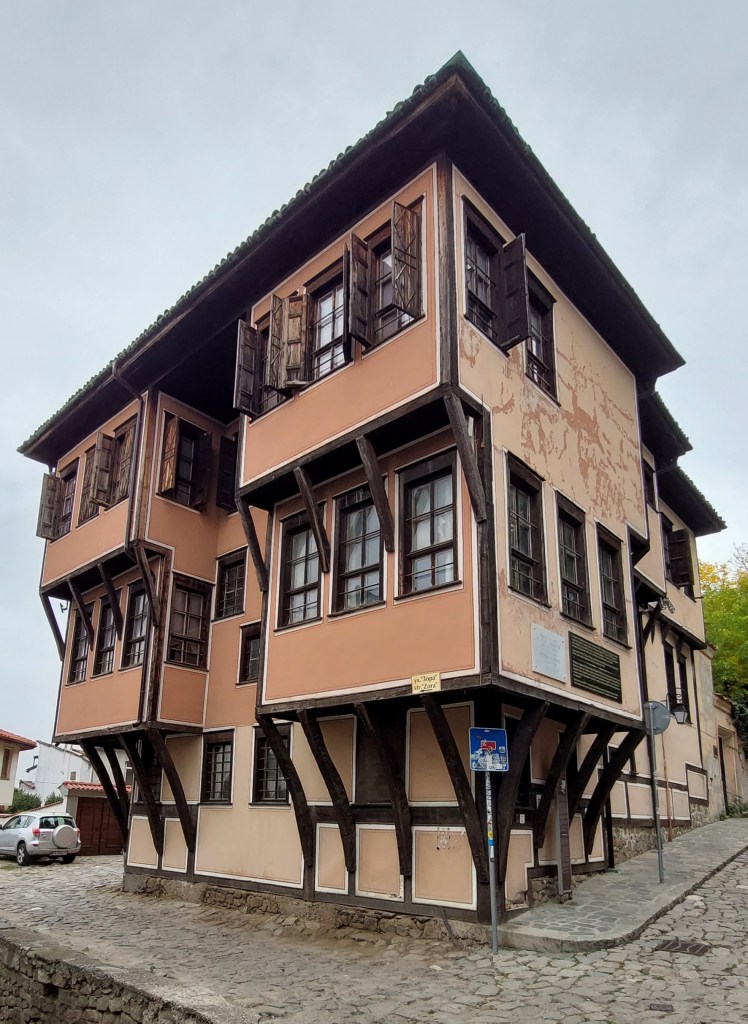
Below is the Klianti House (which is one of the bext examples of a non-symmetrical house) which was built around 1850 and has recently undergone a full rennovation given an idea of what it would have looked like back in the day:

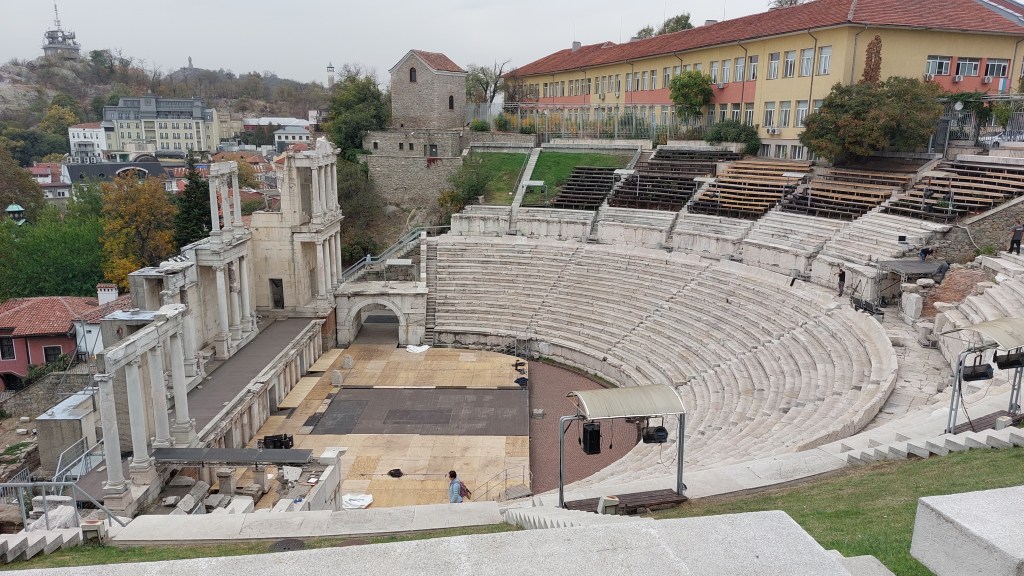
Much like Sofia, when doing some building in the 1960s, various remains of the Roman city were uncovered. Firstly, this 2nd century Roman Amphitheatre. You can still see on some of the good seats (those with a back rest) engraved gold letters of a family name thus reserving those seats – today it is used as a theatre (Diana Ross played last year) and I wonder if families are trying to reclaim their seats. I know I would!
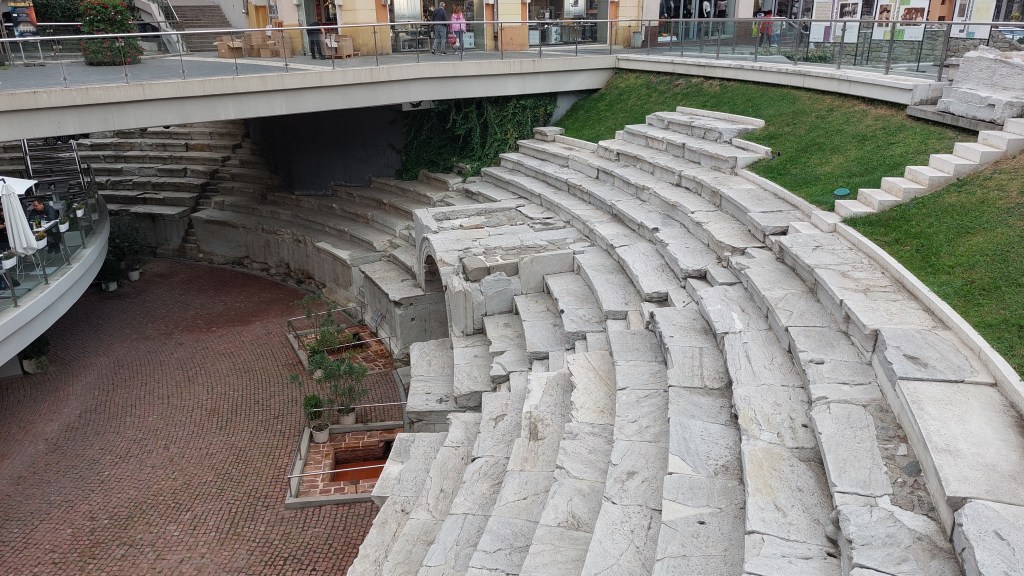
Further down the hill, the Roman staduim has also been partially uncovered. Only a small section ofthe 220m long stadium can be seen as the remainder is under “main street” which is the longest pedastiranised street in Europe.
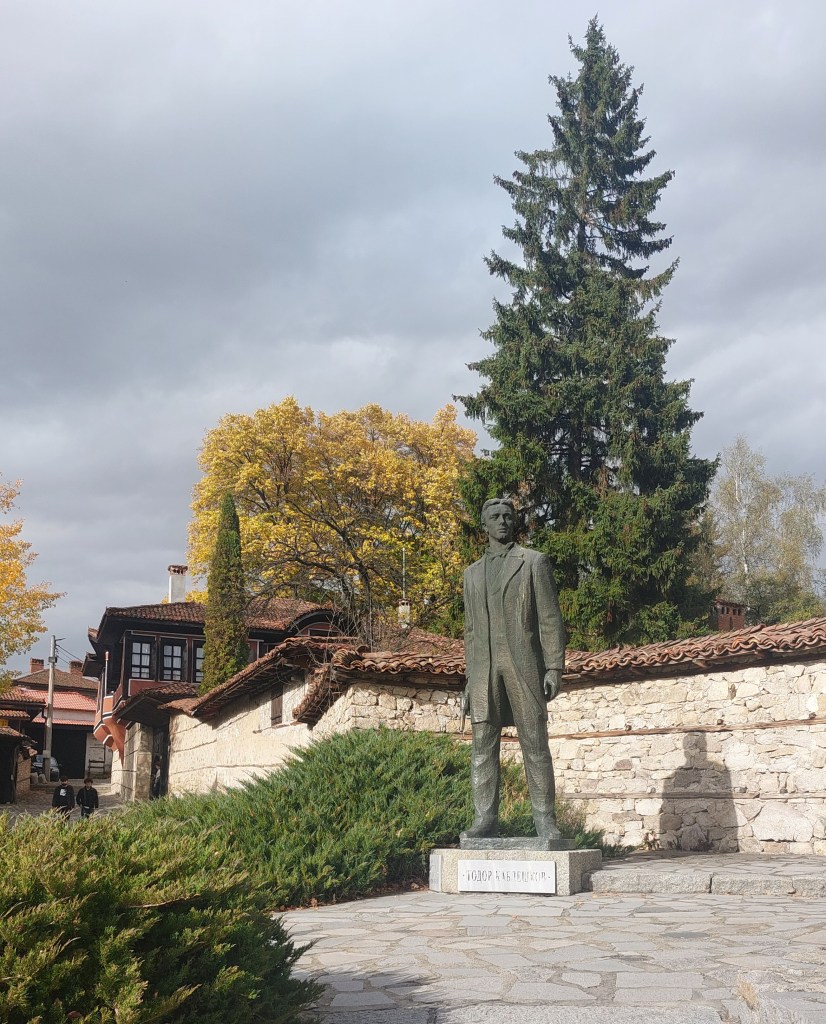
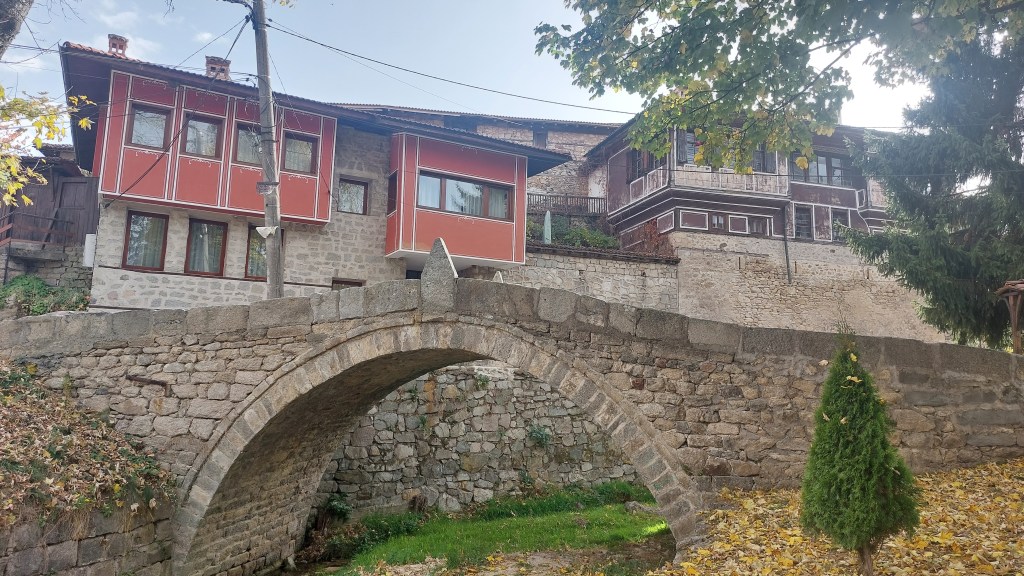
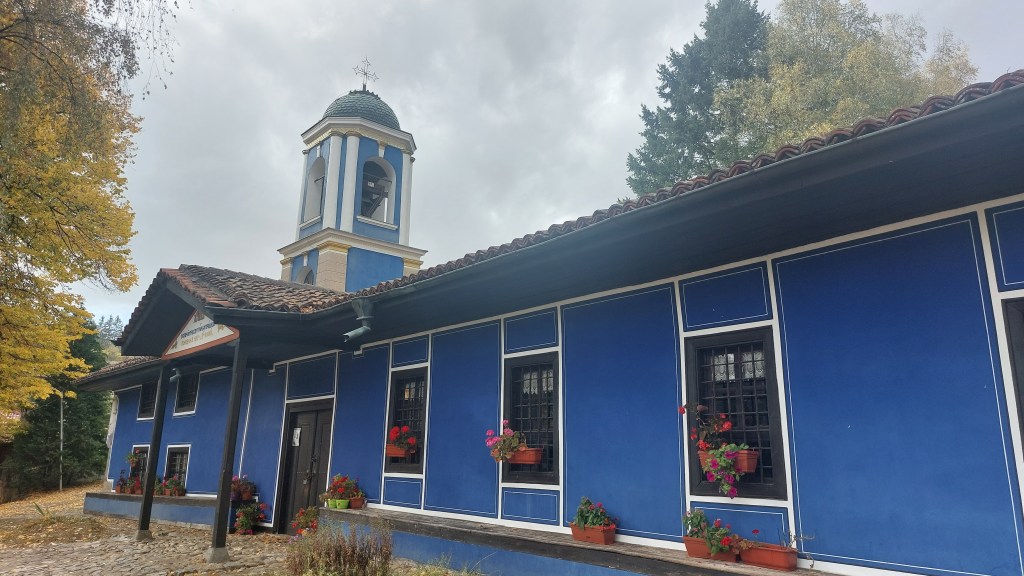
We left Plovdic and drove over the mountains to Koprivshtitsa. Koprivshtitsa is a beautiful town famous for its preserved old buildings and for the uprising, which (sort of) led to Bulgaria’s independence. On 20 Aprl 1876 from Kalachev Bridge (now called “first shot” bridge) a local man called Todor Kableshov declared an uprising against the Ottomans by firing the first shot against the Ottoman police who had come to arrest him for planning/revolutionary activities (thus starting the revolution 2 week’s earlier than planned). The Ottoman’s response was immediate and severe with at least 15,000 people (rebels and non-combatants alike) being slaughtered by the Ottomans. The revolution failed, but the international response to the Ottoman’s brutality (including the Britain’s abandoning their usual ally the Ottoman’s in favour of Russia – how times change!) gave Russia an excuse to declare war on the Ottoman Empire, and 2 years later, Bulgaria declared its independence.

As you can gather from the above, I got a lot out of the tour and am very pleased I went. However, I most include in this post a word on tours. Personally, I sign up for tours when I want to learn more about somewhere and to make sure I really appreciate the “best” of something or somewhere. This means that I actually listen to the guide, not wander off, fail to keep up with them, or am only there to take photos! Today’s trip was no exception, and had I not wanted a guided experience, both were easy enough to reach by public transport. Anyway, I say this because I really felt that this trip was classic where only I, and 2 students from Greece, actually listened to a word our guide was telling us. I am actually starting to wonder whether I am in the minority here, or maybe it’s another post Covid etiquette issue where people have forgotten how to behave in the real world? I just find it so rude. It also reminds me of something my guide said to me on my first Intrepid trip to India, that he liked working for them as most people listened most of the time. To be fair, these people still go on on Intrepid tours, but unfortunately, this does not seem to be the norm on guided tours. End rant (although it may I reserve the right to bring this up again when a particularly bad example happens).
Anyway, we arrived back into Sofia at 6.30pm as as it just started raining I headed back to my hotel (via a pre-emptive look around the bus station in the dark for my 11.30pm departure on Friday- I have subsequently TmAp’d and booked half a night in my hotel at a very reasonable price to hang out in a room instead!).
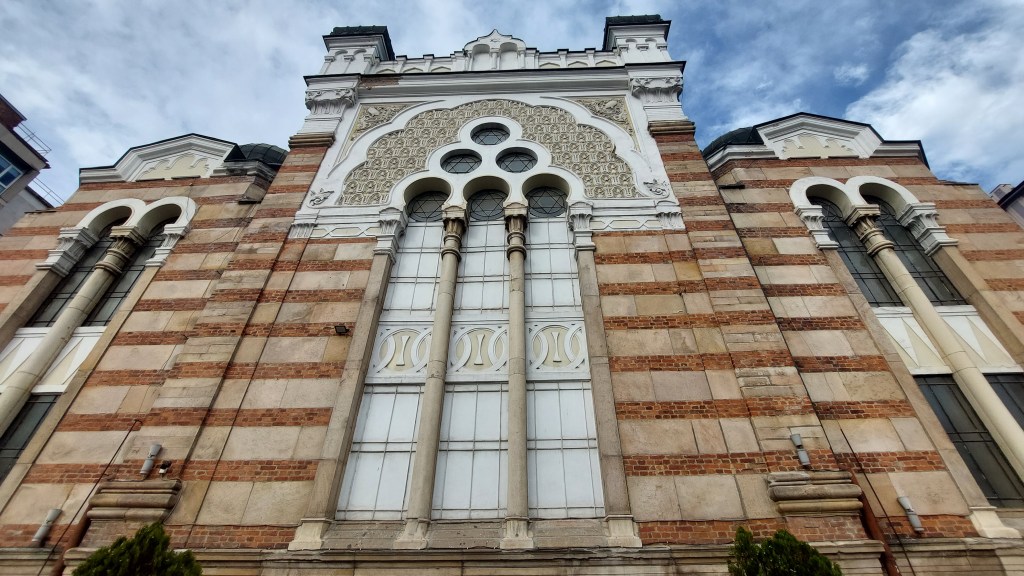
Today, I treated myself to a lie in before heading out to visit the various sites of Sofia, which I only walked past on my walking tour. My first stop was the synagogue, which unfortunately was closed for visitors, but it is the third-largest synagogue in Europe and has an interesting story surrounding the survival of Bulgaria’s Jewish community. There has always been a Jewish population in Sofia (the Ottoman’s allowing tolerance in exchange for higher taxes) but during the 1920s and 1930s anti-semitism increased, and the government (in order to remain “in favour” with Nazi Germany before joining the Axis in 1941) brought in a number of anti-Jewish laws similar to the 1933 Nuremberg Laws in Germany and those that followed. These were hugely protested by Jewish leaders, the Bulgarian Orthadox church, professional organisations, and writers. In 1943, the Bulgarian authorities finalized arrangements for the deportation of Bulgaria’s Jews into German “custody” (which we can all guess what that would have meant). Several members of the government resigned and pressured the Tsar to suspend the deportations. Tsar Boris III wrote a number of letters to Hitler delaying deportations as he needed to get the Orthadox church onside, sort his government out, and he needed the Jews as labour etc. This procrastination is credited with saving the lives of 50,000 Jews. However, the majority of the remaining population left for Israel after the war (43,961 people), so they may have survived, but only just.
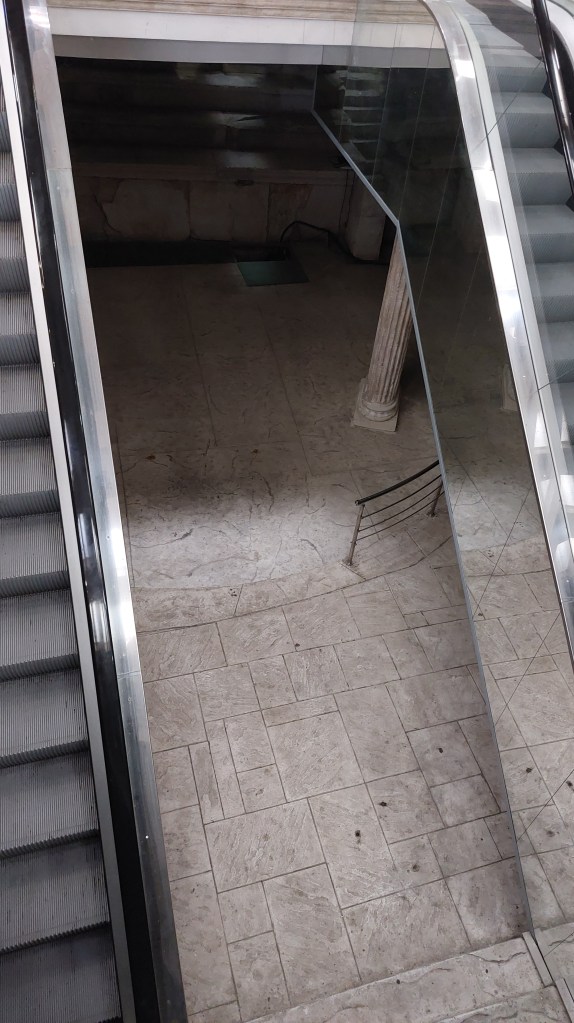
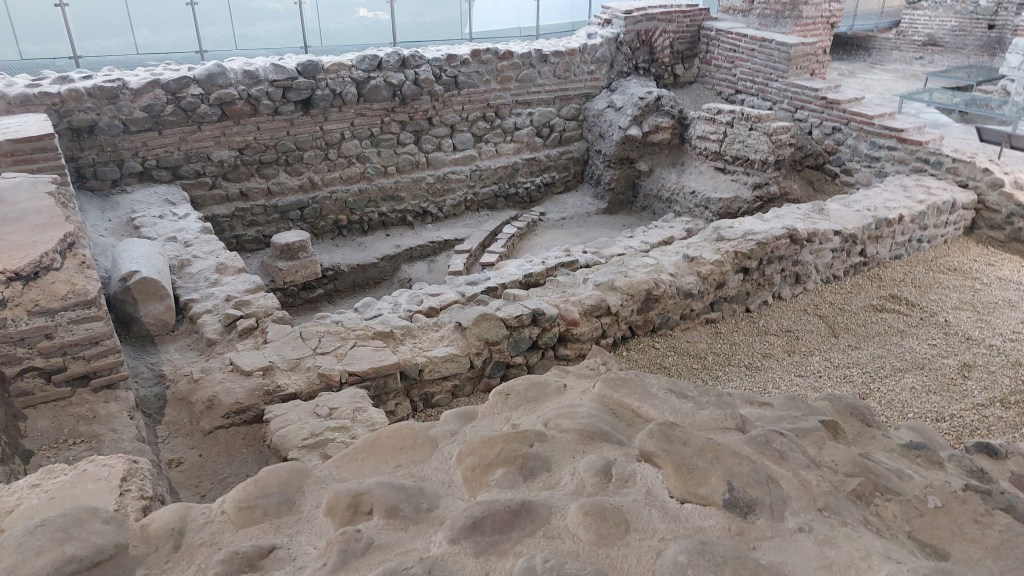
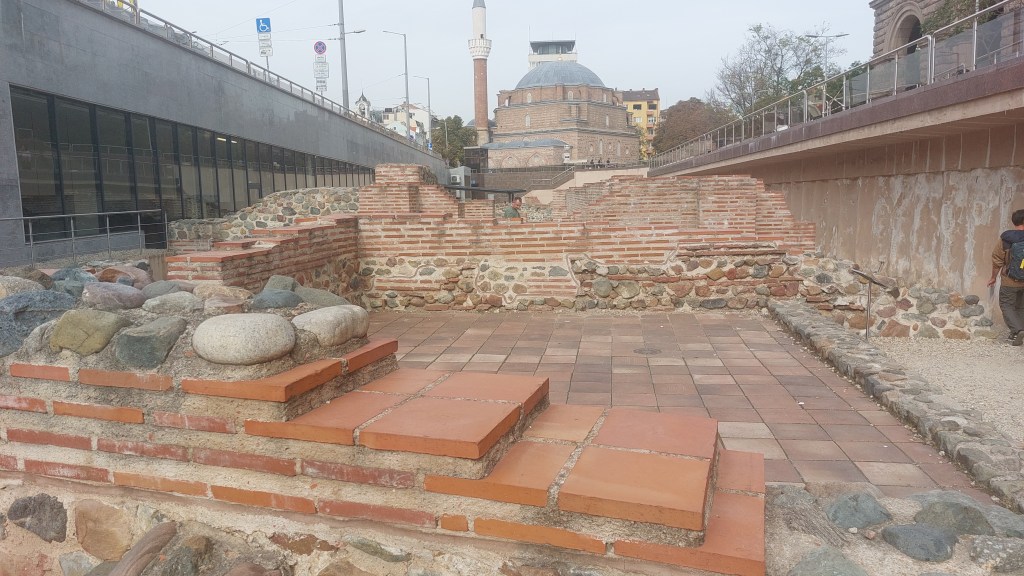
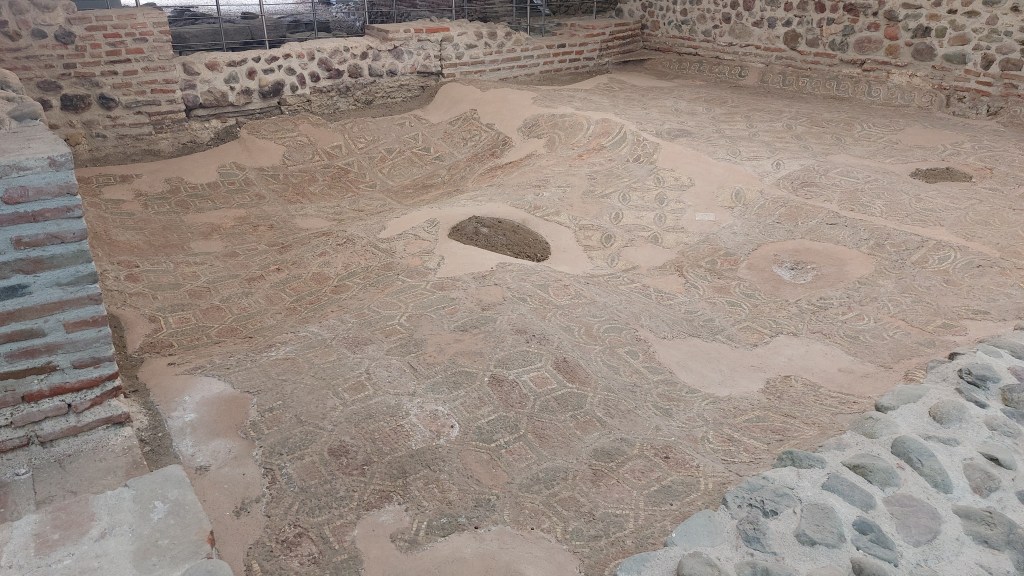
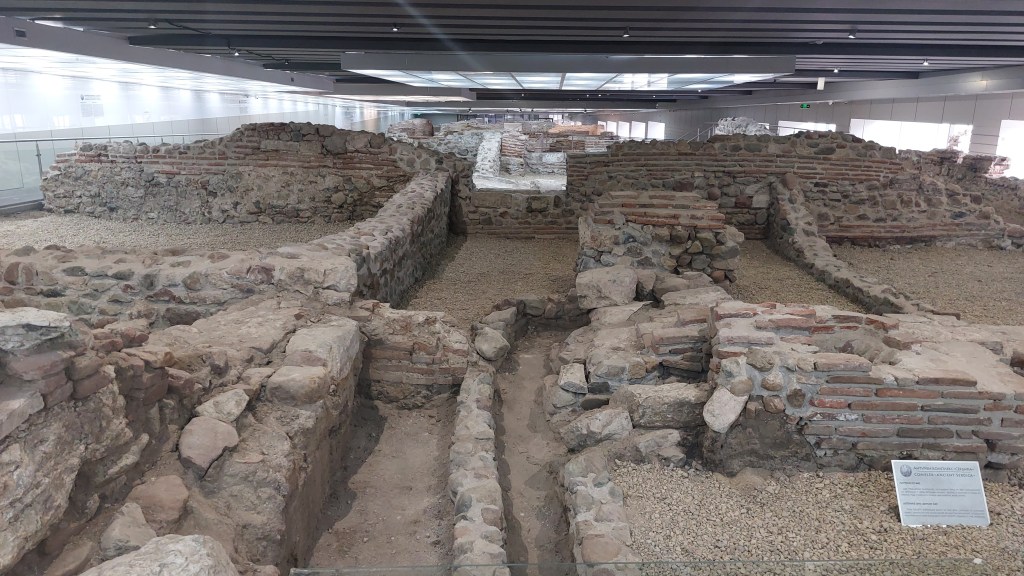
I also visited the Serdica complex. As I mentioned, Serdica is the original Roman city of Sofia, and when doing excavarions for the new metro system, many remains were discovered. A large proportion of these have been uncovered and are now housed in a structure underneth the metro – which is somewhat disconcerting to have trains rumbling over your head!
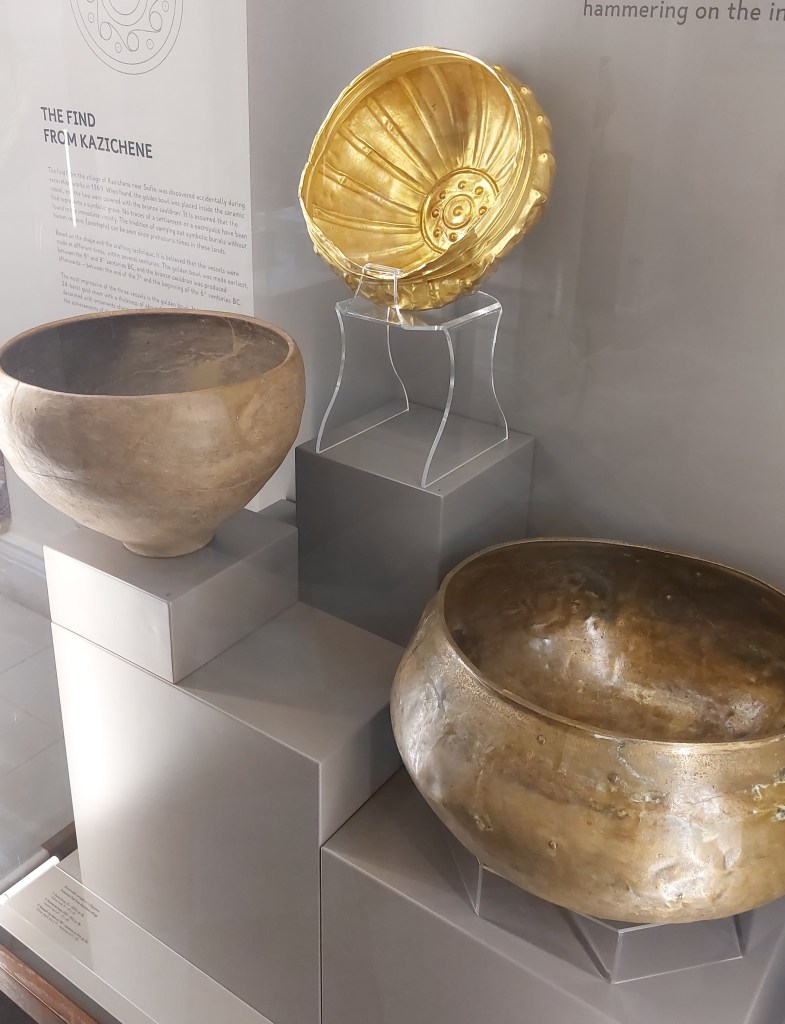
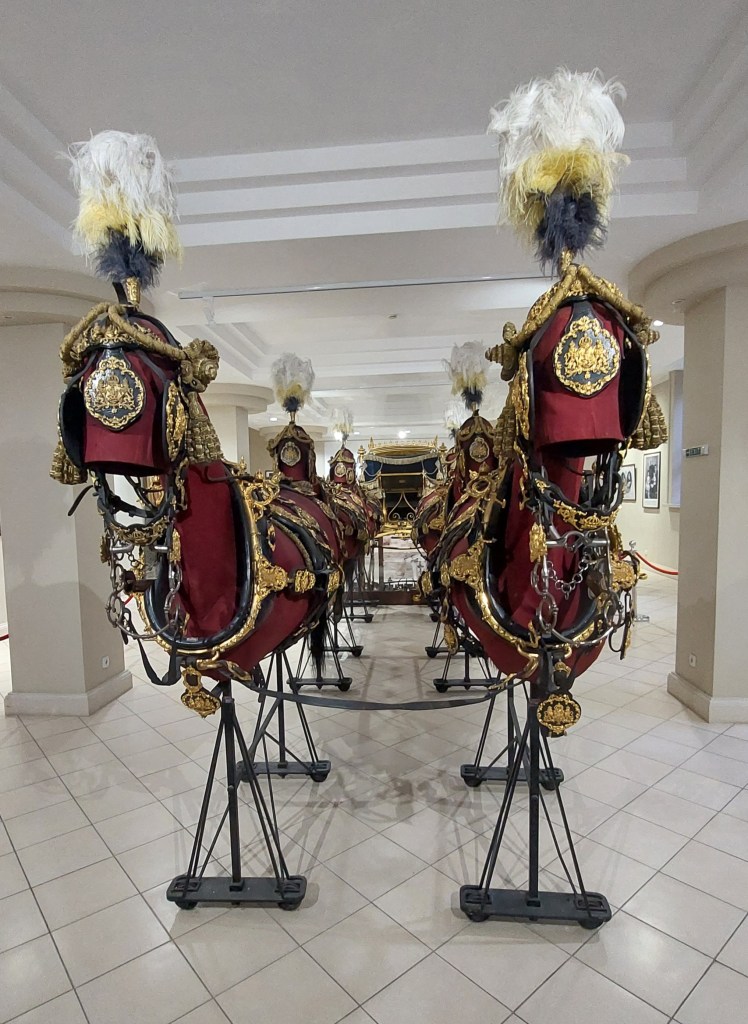
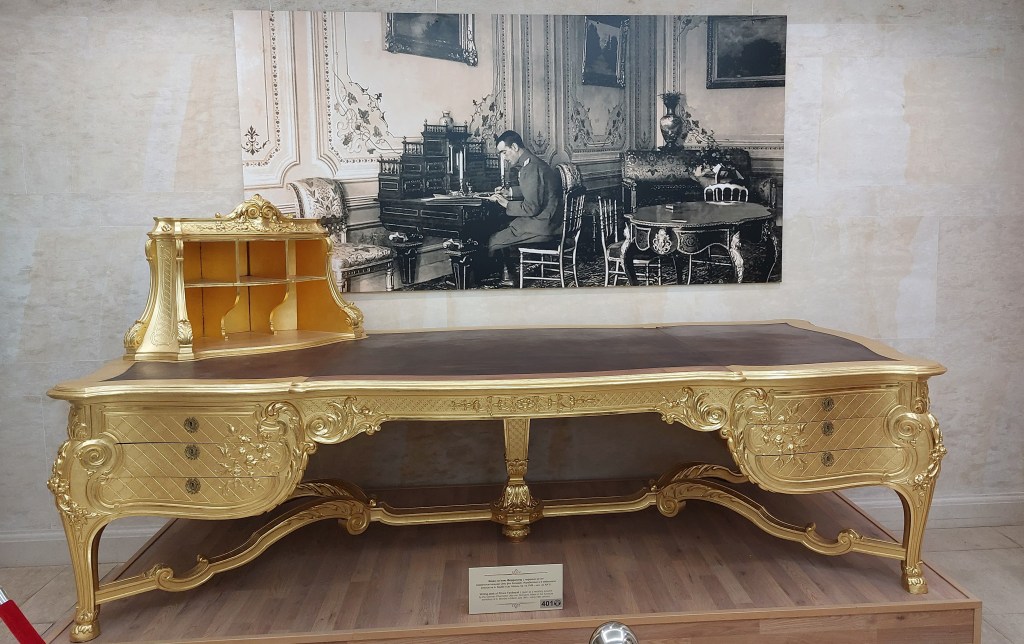
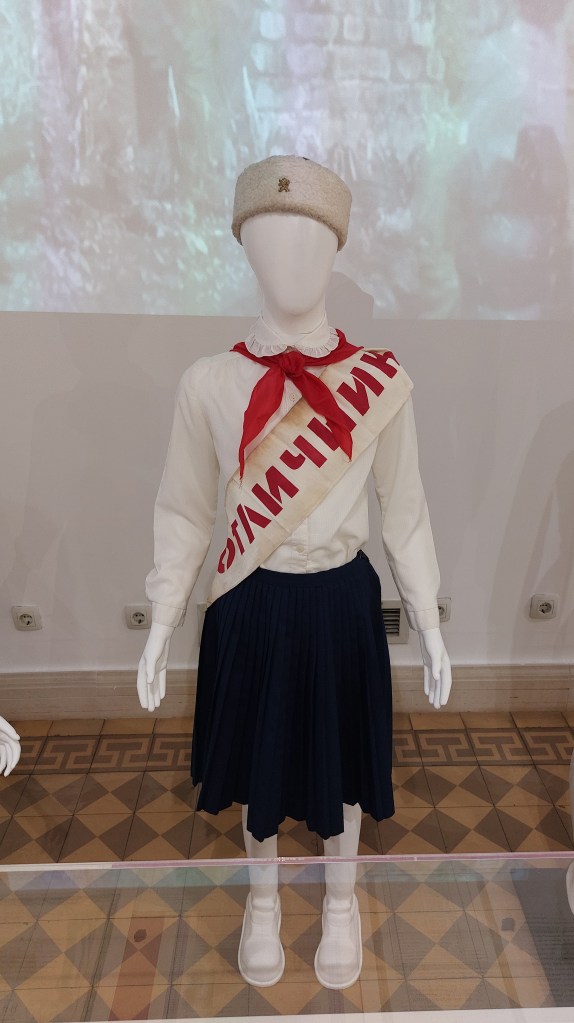
Next (with a pitstop for a drink of some more of that healing thermal water – a girl has got to try!) I visited the Sofia History Museum (housed in the former bath complex). This is an excellent museum (and very reasonably priced at about £3) and shows exhibits from Sofia dating from the Stone Age to a new exhibit entitled “A Communist Childhood.” I particularly enjoyed the hall dedicated to the Tsarist years. After independence, the Bulgarians felt they should have a royal family as everyone else in Europe did(!) and elected their first Tsar, Alexander of Battenburg and Hesse (who came heavily recommended by his uncle the Russian Tsar), he was not particularly popular and abdicated in 1886 to be replaced by Ferdinand of Saxe-Coburg and Gotha. As an aside here, Ferdinand technically is from the same house as the British Royal family until the death of Queen Elizabeth II as it was Prince Albert (husband of Queen Victoria’s) house) until it was renamed “Windsor” in 1917 to sound less German! For the royal history nerds, although Charles III has retained the name Windsor, technically (as it flows down the male line), he is the house of Glucksburg/Battenburg/Mountbatten (also renamed to sound less German) which makes him a relative of Tsar Alexander I – oh the complicated intermarriage of European Royals. Anyway, the Tsar’s were given some lovely gifts although I do think giving a man a desk as a wedding present is rather strange…

My final stop was the Sveta Sofia Church/Hagia Sofia. Not so much for the church itself, which is rather plain inside (although much enhanced by a sung mass going on), but for the underground ancient necropolis (which was free today!) with 56 tombs and the remains of 4 other churches. It may not be as impressive as Istanbul’s Hagia Sofia, but they do have this:
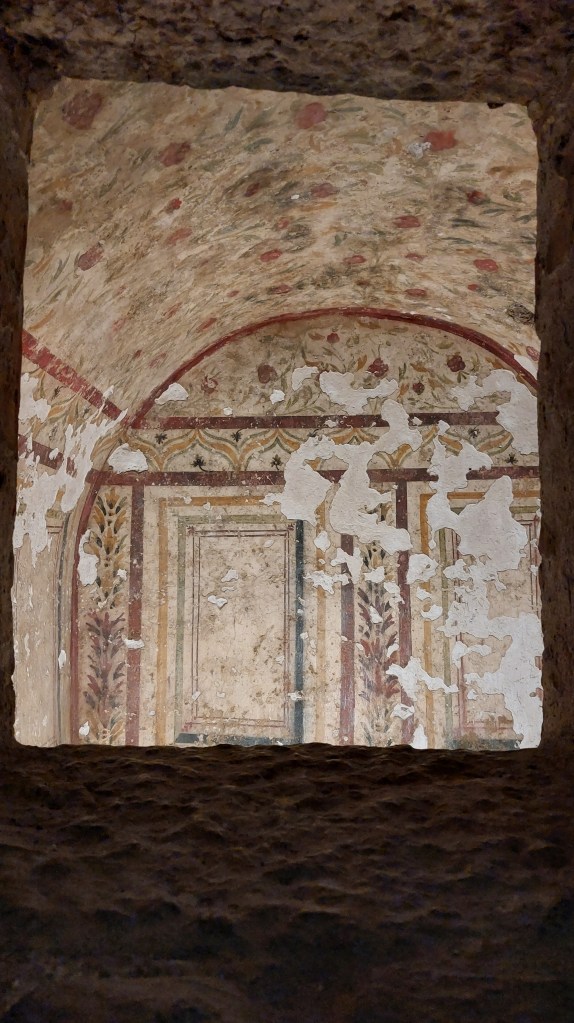
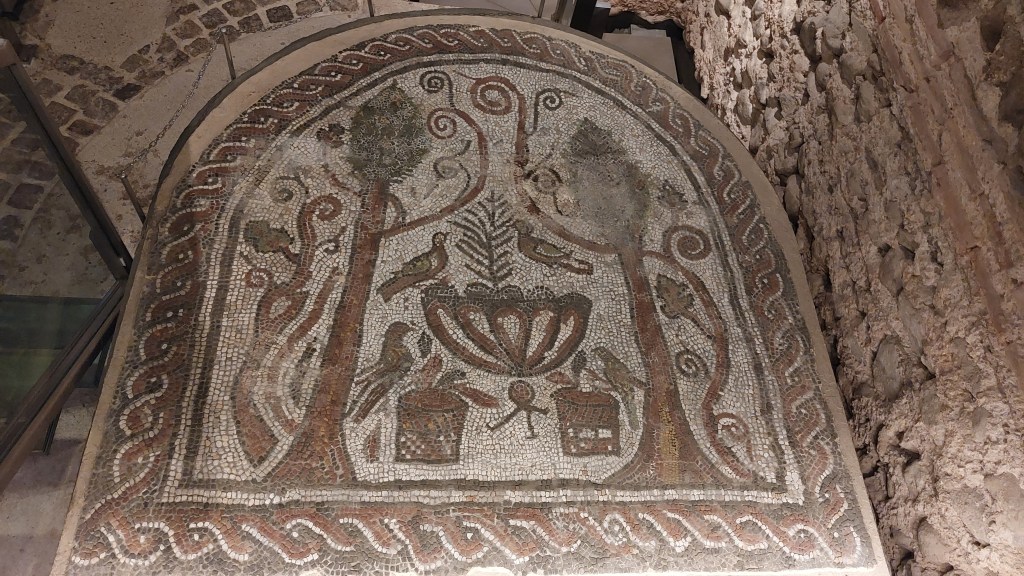
So there we have it, I had lunch (with lots of vegetables!) and I have purchased my usual souvernier (a particularly horrible fridge magnet), but also some rose water (Bulgaria produces 75% of the world’s rose production) which I am sure will be useful on my travels.
Tomorrow, I am going on another tour (ranting will be managed) to the Rila Monastery (get excited!) and then my overnight bus (less exciting) to Romania. Wish me luck.
2 responses to “Stage 3.6 – Plovdiv, Koprivshtitsa and Sofia”
-
Did you come across any references to the Byzantine Emperor Basil II?
Also known to history as “Basil the Bulgar Slayer” (not to be confused with a certain Buffy), who apparently is considered a national hero in Greece but reviled (for obvious reasons) in Bulgaria. He was the Peaky Blinder of his day and up there with “Vlad the Impaler” (famous in Romania) and “Edward I, Hammer of the Scots” (famous in our own sceptered isle)…-
Nope. He sounds delightful, I shall have to do some research.
LikeLike
-


 Travels with Kathryn
Leave a comment