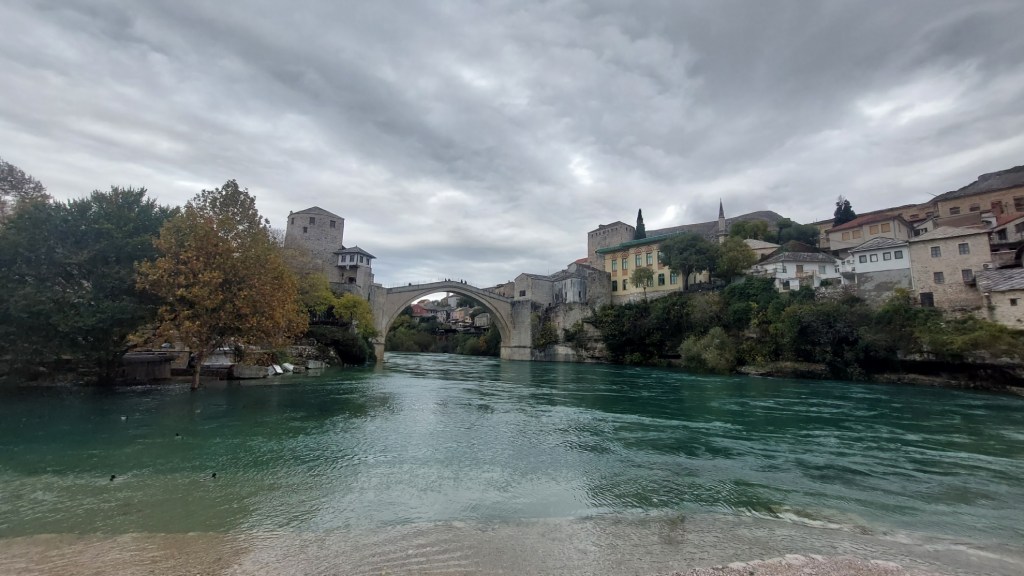
Today (Wednesday), I went on a day trip to Herzegovina. So, Bosnia Herzegovina is actually made up of three different regions/states – Bosnia, Herzegovina, and Srpska Republic. Sarajavo is in Bosnia. Tomorrow, I am going to Srpska Republic and today Herzegovina. Herzegovina is the southwestern part of the country and as it is over the mountains and includes Bosnia’s small portion of coastline.
Having left Sarajevo at 8am (I am committed to touristing!) and our bus of 8 people set off east. As an aside, the majority of tourists I have seen/heard in Sarajevo are either Chinese or Spanish – and this was reflected in the tour. However, speaking to guides the direct London flight has massively increased the number of British tourists, and I have surprised them many times by explaining that I have actually come from the east…
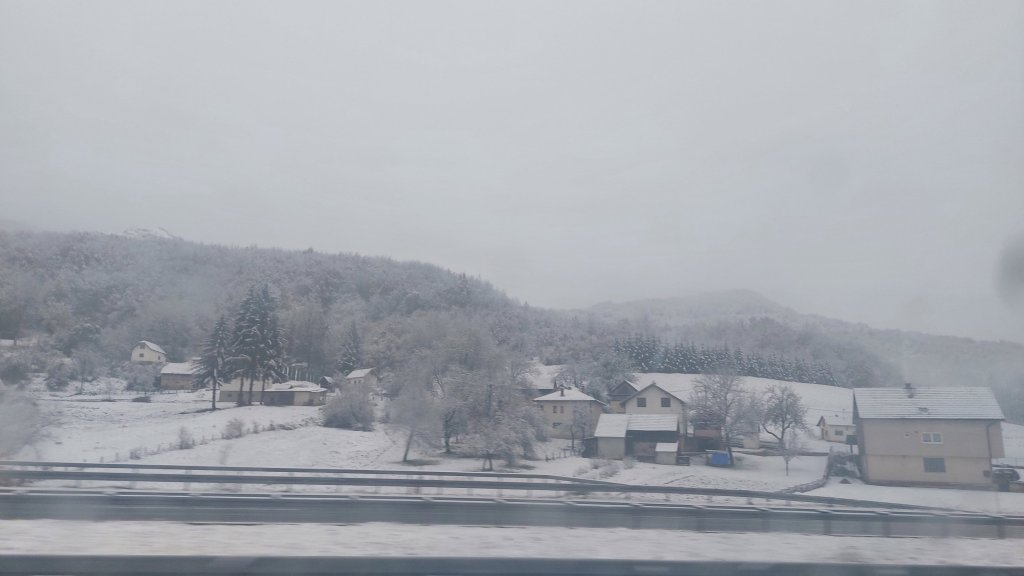
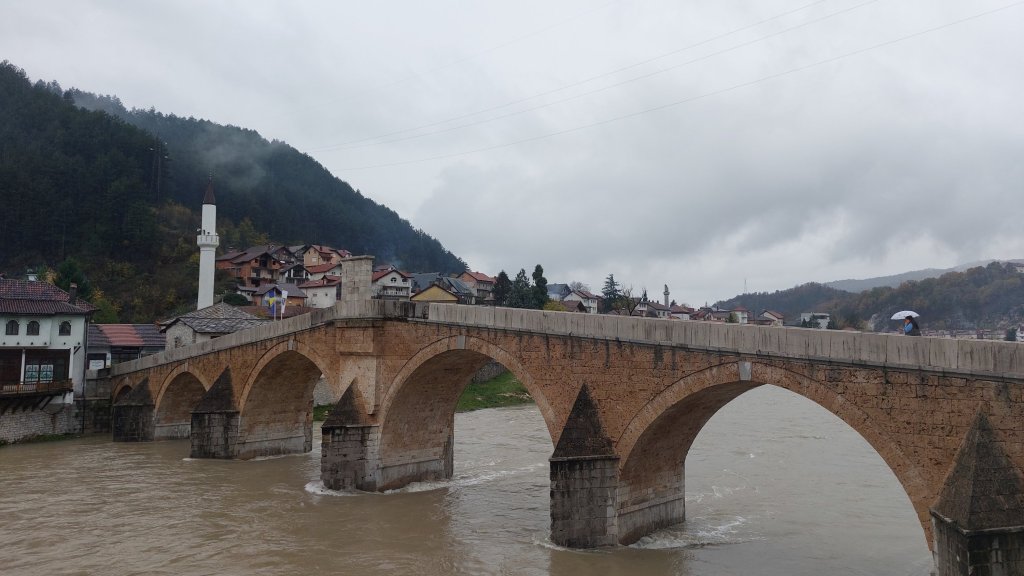
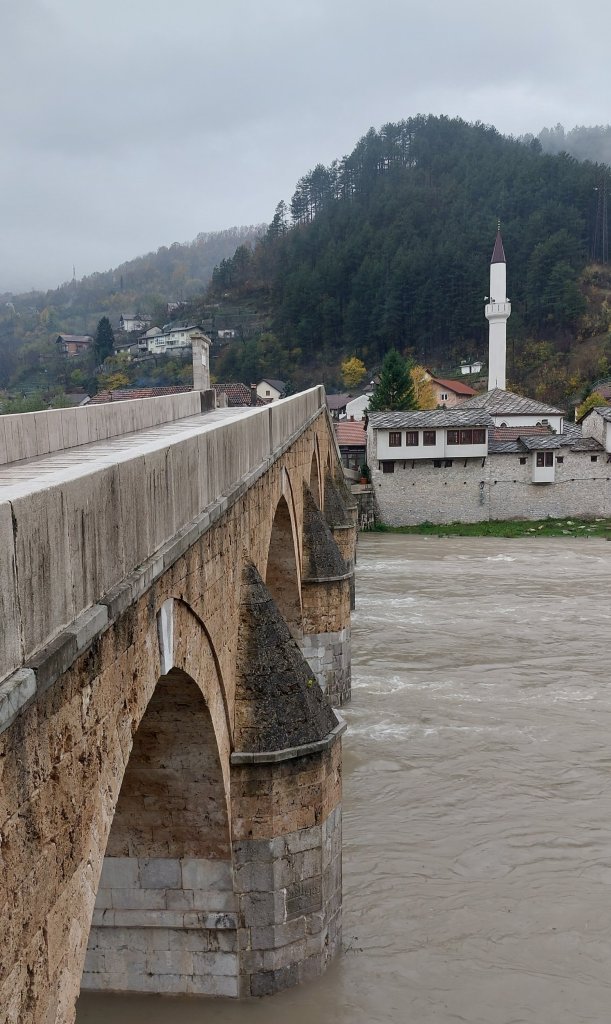
As we drove over the mountains, we were suddenly driving through snow! My first snow of the trip – whoop! After a couple of hours, we arrived in Herzegovina and our first stop of Konjic. This is a stop on the tourist route for two reasons: (i) the 15th century Ottoman bridge; and (ii) Tito’s bunker (closed) built sectretly by Tito for him and his cronies in the event of war, but never actually used
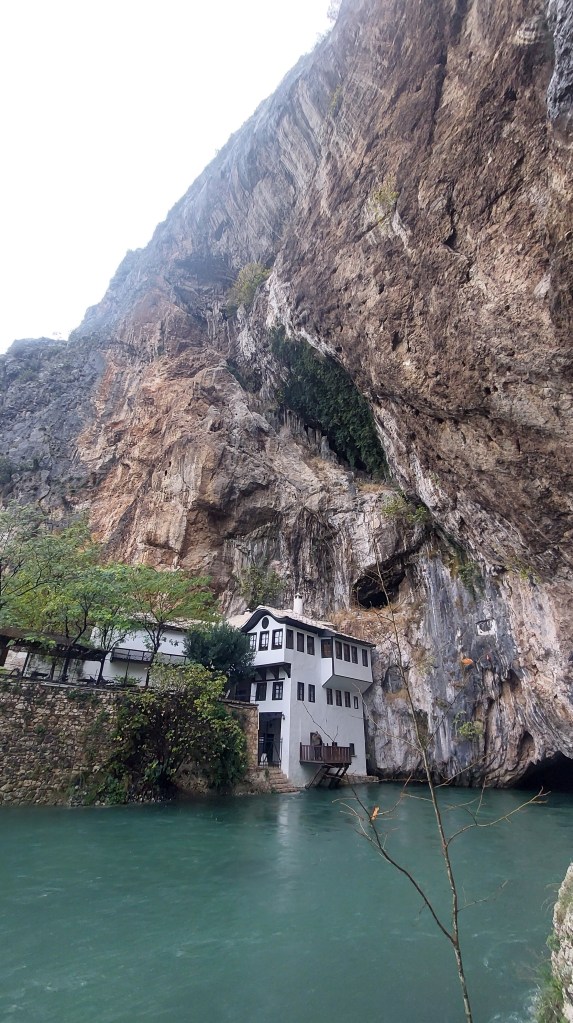
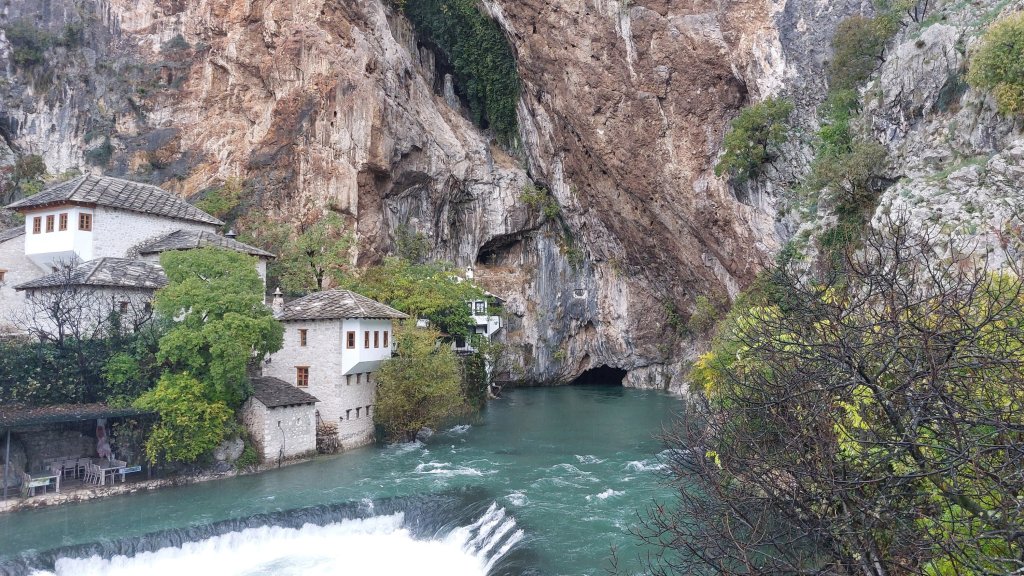
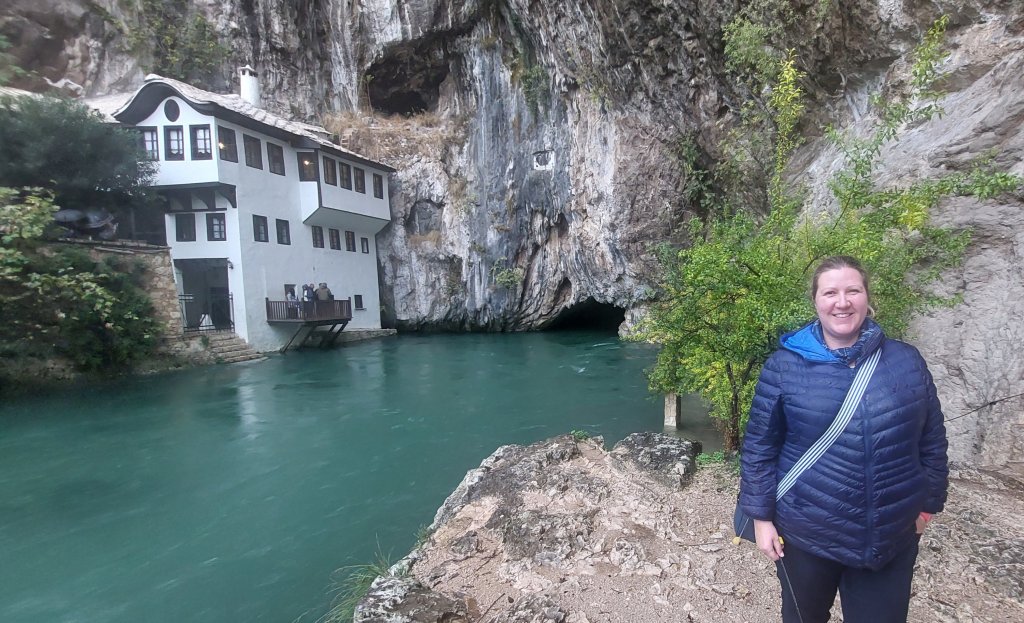
Next is the Buna spring. This is a natural spring inside a cave that pushes out so much water that it forms the Buna River. It may have been pouring with rain, but I am British and decided that this added to the watery beauty. On the other side of the river, the building you can see below is a Dervish Blagaj Tekke (temple). This community moved from Konya in the 15th century and established themselves here to be near the water source.
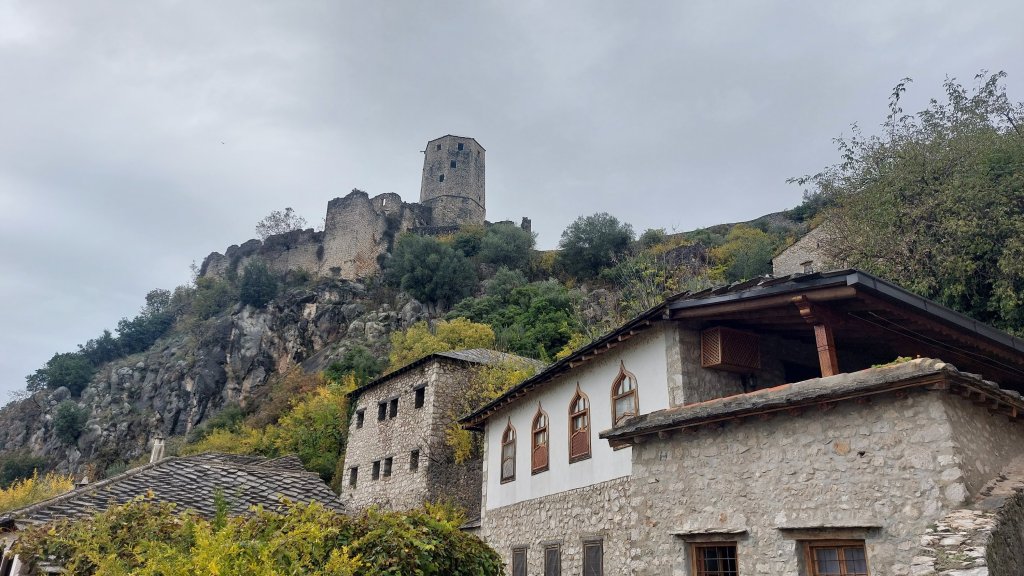
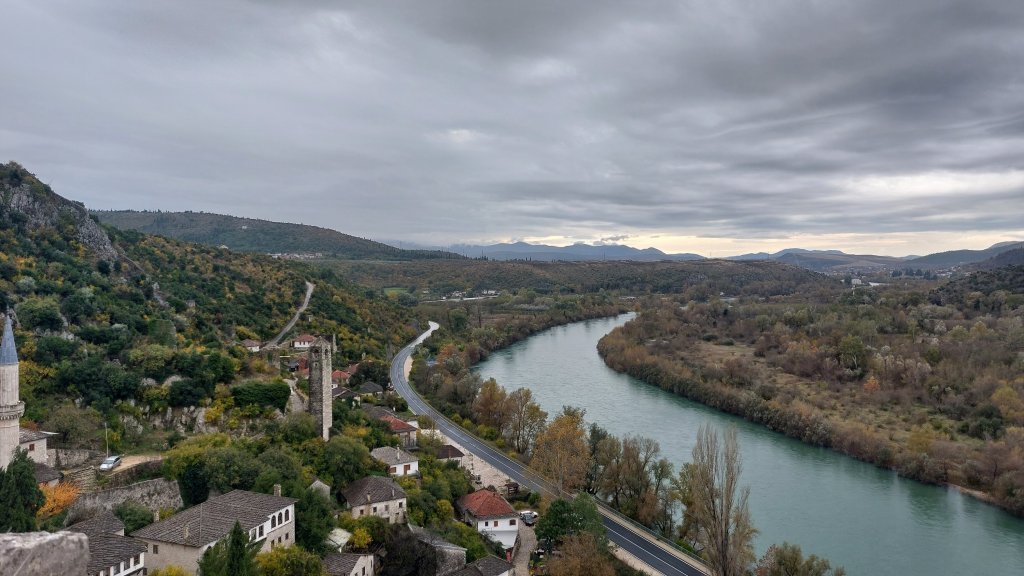
We also had a brief stop at Pocitelj. Pocitelj is another Ottoman city started by building the mosque in 1563 and then built the city around it, so it includes a haman, Caravanserai, etc. The Kula (fortress) (including watchtower) was built in the 18th century, and I am proud to say that I am the only member of my group who climbed up to it and it is 45m above sea level! Look at me embracing uphil hiking – I am a changed woman!

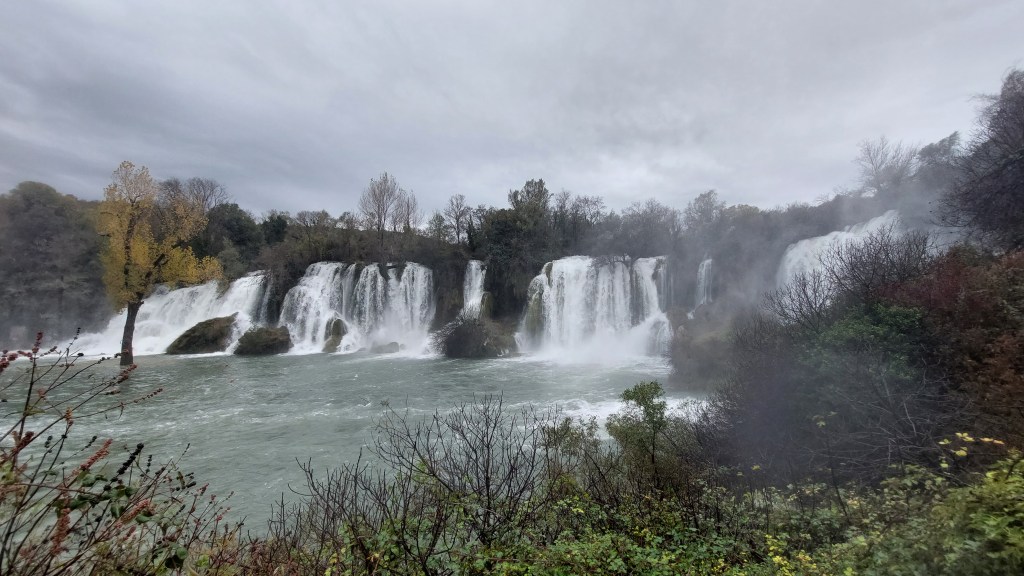
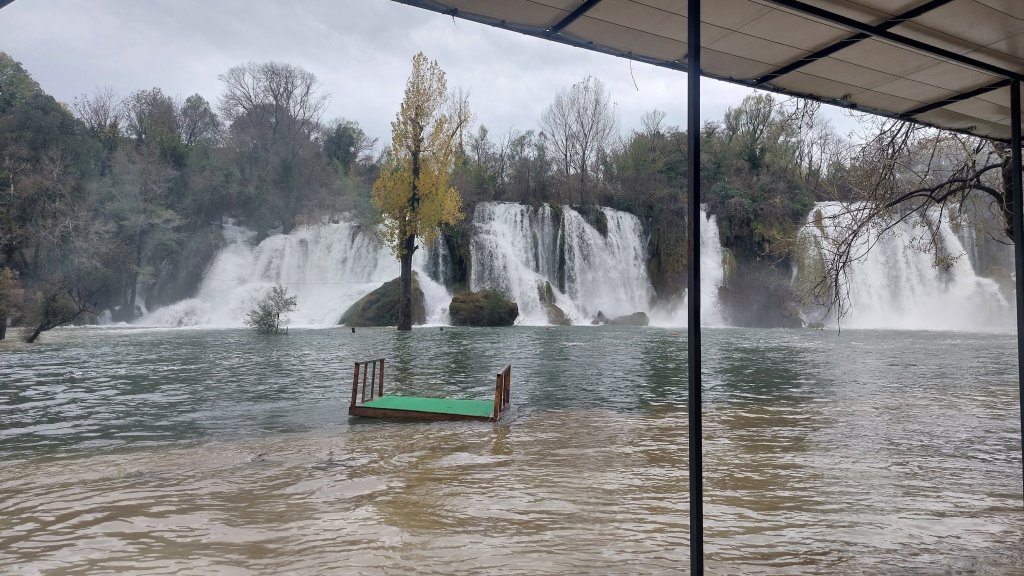
The photos below are the Kravica waterfalls. I am assured that this is one of the most popular nature spots for Bosniaks in Summer and I can certainly see why, although seeing it in Winter when it has been raining is also pretty impressive even if the bar at the bottom is a wee bit flooded.

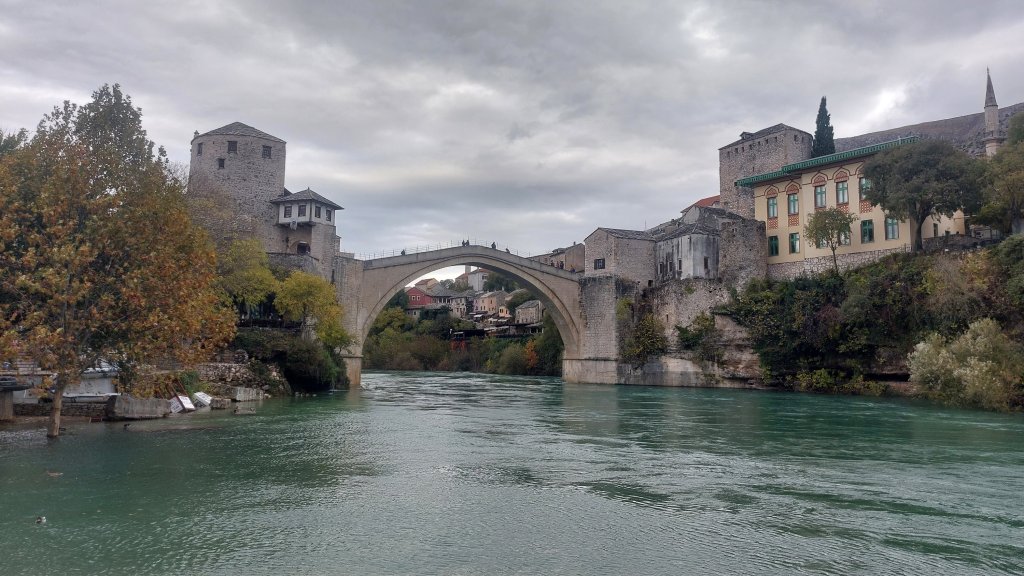
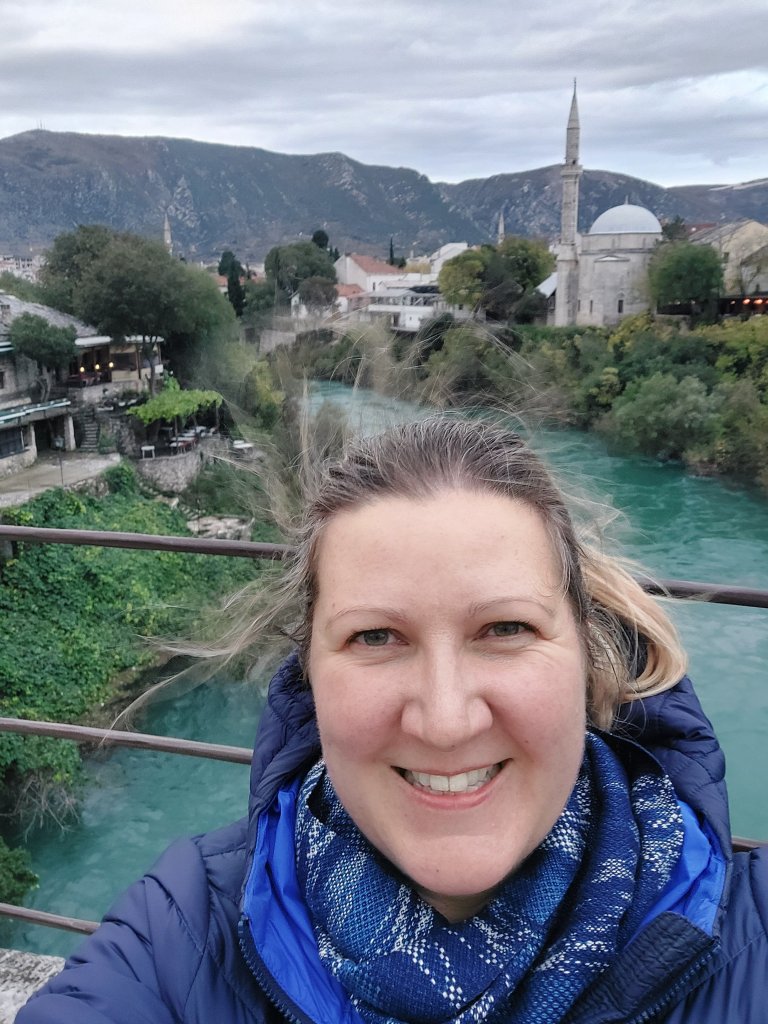
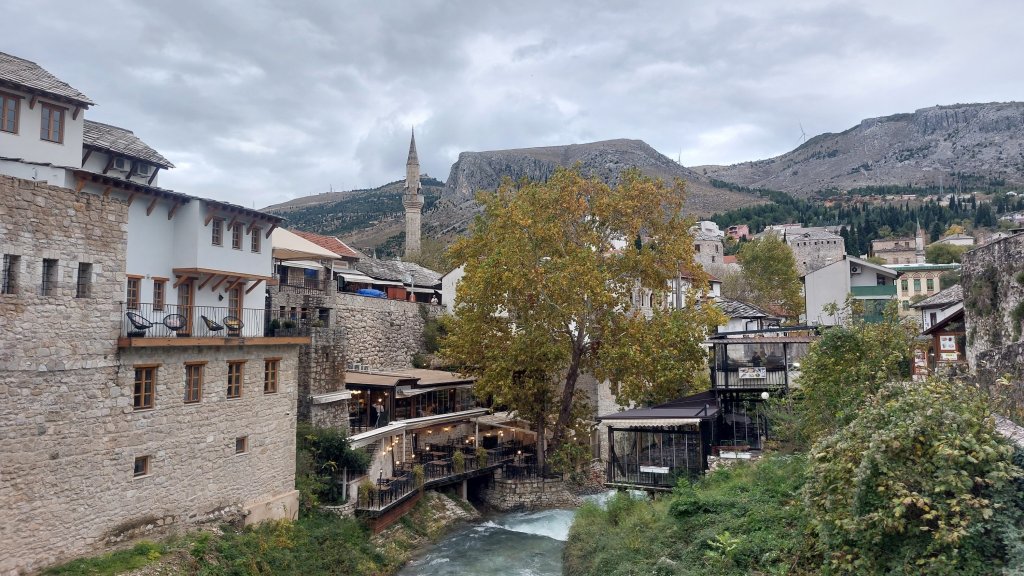
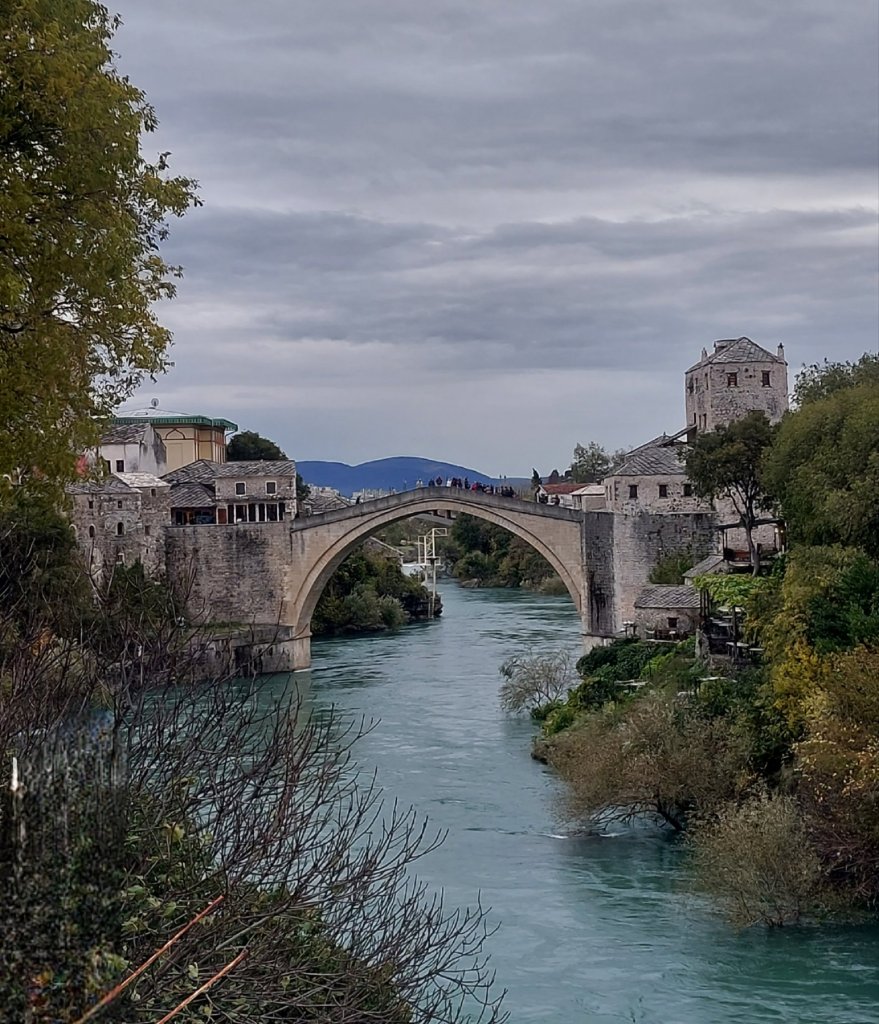
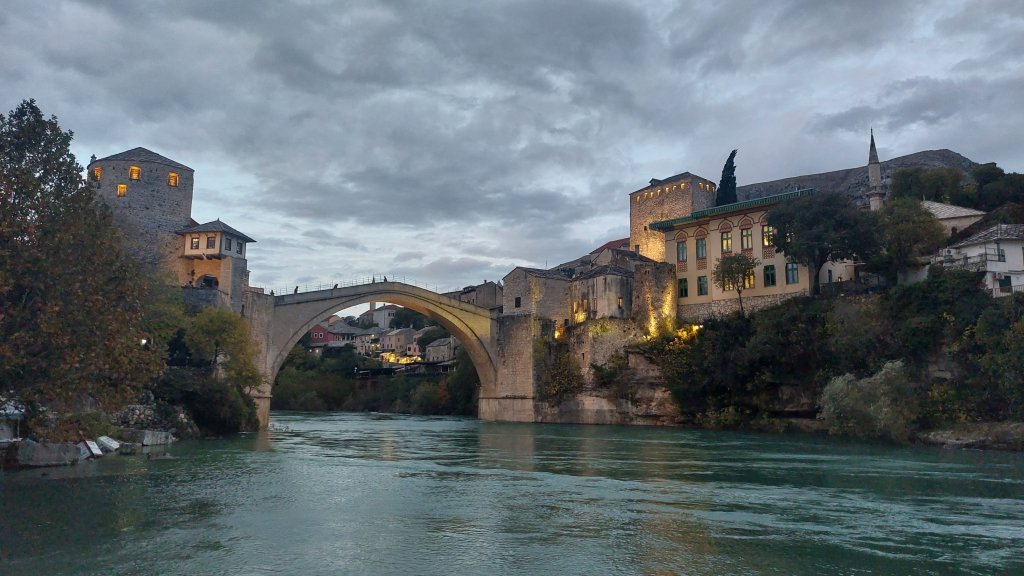
Our final and main stop was Mostar. Mostar is the most famous place in Herzegovina because of its bridge. The original Ottoman bridge was destroyed by the Bosnian Croat army during the Yugoslav War in November 1993 and was rebuilt by a coalition of the World Bank, UNESCO, the Aga Khan Trust and the World Monuments Fund between 2001 and 2004. The bridge is 22.5m tall, and in Summer is a favourite bridge diving location – having had a look over the edge, I am not sure I would fancy it! Mostar has a beautiful old town and includes a number of bridges and many, many tourist shops. Like Sarajevo, Mostar has a clear divide between Ottoman and Austro-Hungarian architecture, and according to the guide, the city is also split along religious lines with the Bosniak muslims generally living in the Ottoman area, and Catholic Croats generally living in the Austro-Hungarian area. This is the first country I have visited from former Yugoslavia where you can clearly see the divisions between the ethnic/religious groups and although the war may have ended nearly 30 years ago, it is still raw in the minds of local groups. More on this tomorrow, but for now, let us just enjoy Mostar:
At about 5pm, we left Mostar and began our drive back to Sarajevo – back over the even snowier mountains, arriving back into Sarajevo at 7.30pm. Back to my Airbnb to shower, pyjama, and pack my bag for tomorrows’ trip to northeast Bosnia.

 Travels with Kathryn
Leave a comment