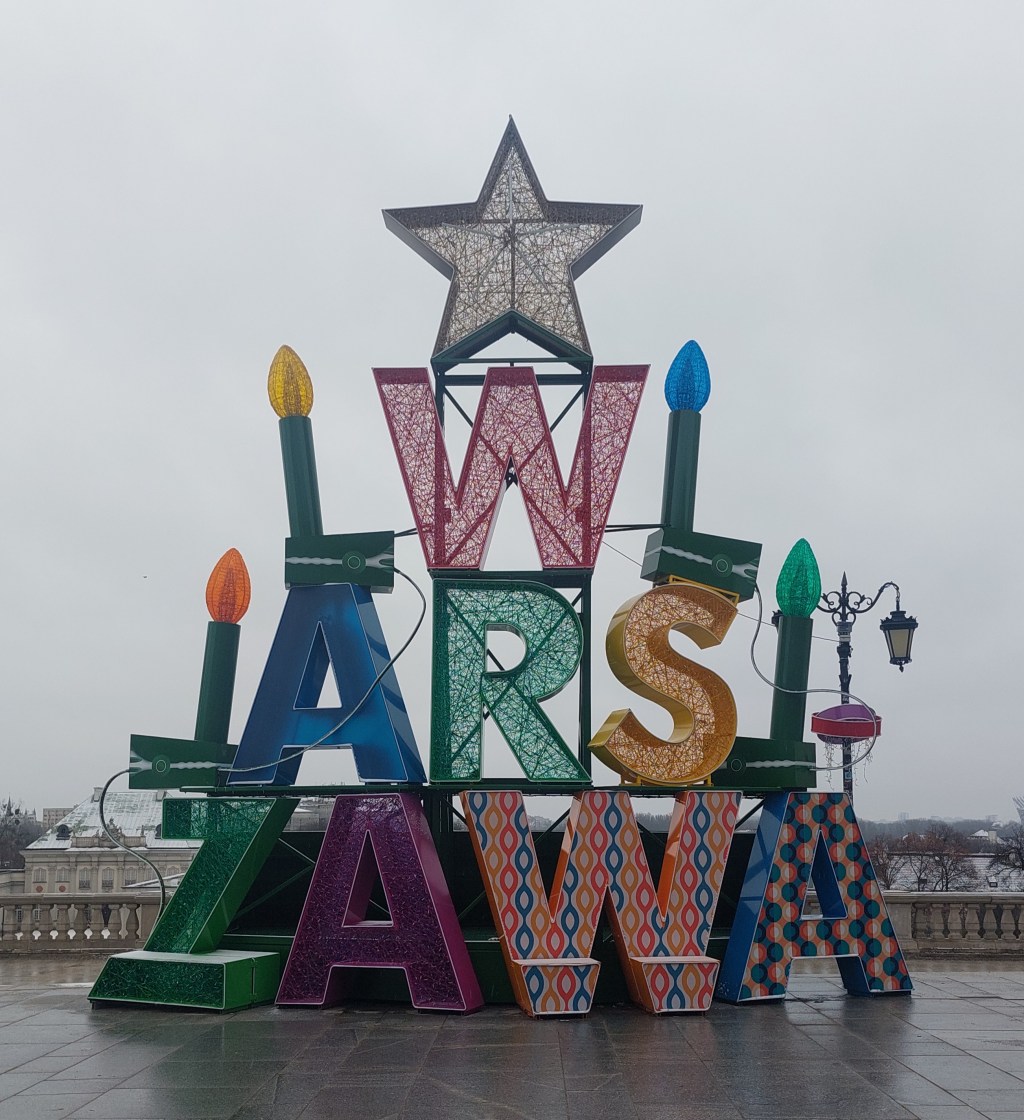
I am not quite sure what I was expecting, but Warsaw has surprised me – it is almost like it is a big, modern capital of a big city of 2 million people? The shock. For example, it is much bigger than the Baltic capitals and seems to have far more modern/ high-rise buildings. Anyway, before I skip ahead too far, let us start with my arrival. I did eventually get off my boiling hot train and then walked the 15 minutes to my hotel, where I was able to check into my room and have a much needed shower. Interestingly, on arrival, the hotel seemed to be hosting a school-age prom, so I felt rather old and underdressed all of a sudden!
It was an early start yesterday (Saturday) firstly, as I had to prepare for the arrival of my travel companion for Poland, and as I needed to head into the Old Town for a walking tour. This was a little confusing as there was much preparing happening for an event which I found out later was the Three Kings Parade.
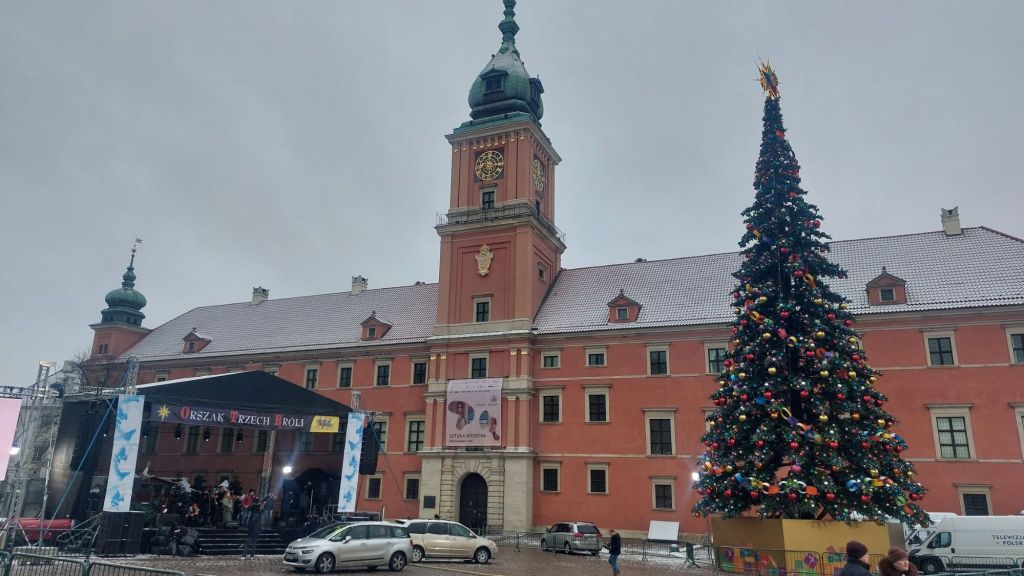
Now, my understanding of the Navity is that three wise men travelled from afar, following a star, to see the baby Jesus. Jesus was born on 25 December (let’s ignore the fact that there were shepherds with lambs in the middle of winter at this point), so why were the Kings only arriving on 5 January? Did they get lost? Was this parade meant to celebrate them leaving? I was most confused. However, it is an excuse to dress up (I saw kings, king’s entourages, shepherds and a vertiable flock of angels in puffa jackets), parade down the streets of Warsaw and then have a concert – its a big thing, the president was going to be there… They were also giving out free crowns, which you shall enjoy shortly.
So, all this excitement and I have not even started the walking tour yet! Anyway, time to start the tour – Warsaw has only been the capital of Poland since 1596 (which makes it a very young capital for European standards) when King Sigismund III Vasa decided to move the capital from Krakow to Warsaw. At the time, Poland was part of the Kingdom of Poland-Lithuania, and he wanted to move the capital closer to Vilnius/Lithuania.
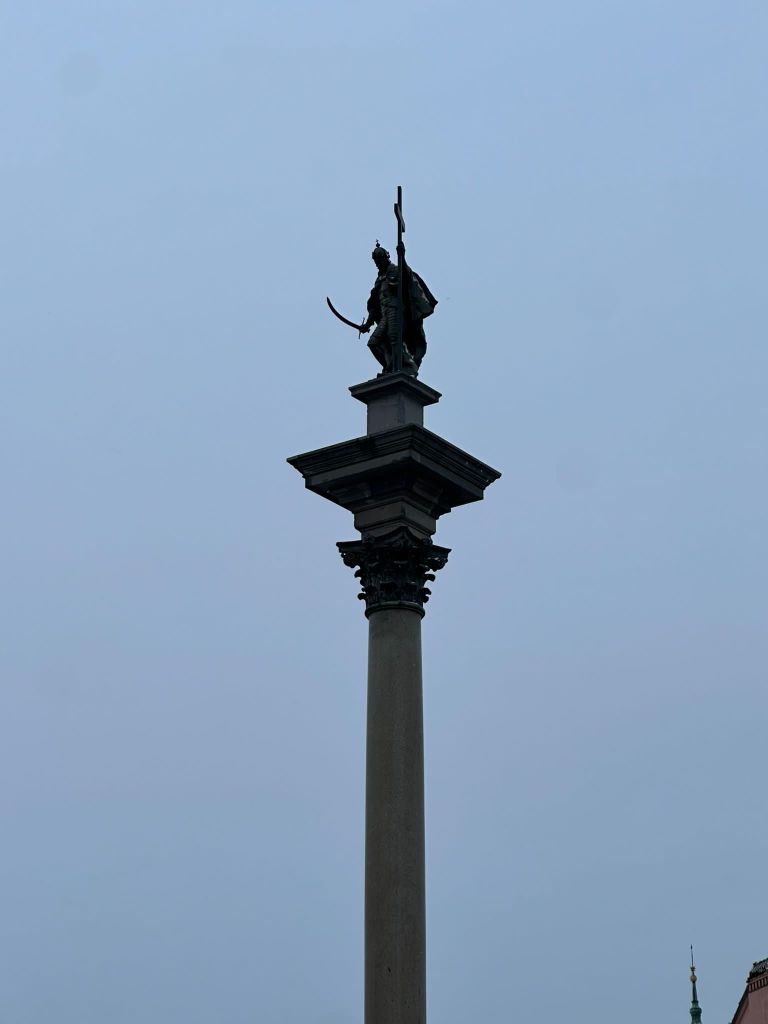
As I am sure most of you will know, Warsaw was almost completely destroyed during WW2 (86% of all buildings) and in the Castle Square only 1 building survived which was a small church, but even thats roof caved in. After the war, it was decided to reconsuct the Old Town exactly as it was. A column was erected in King’s honour and at the time was the tallest monument in Europe which rather offended the Catholic church who felt that it was not appropriate for a non-relgious statute to be so near to God. Eventually, such an offence was settled with a “donation” to the church. The column standing today is actually the third column. The first fell around 100 years ago, the second as shelled by the Nazis in 1944, and the current statute was errected in 1948.
Also in castle squre is the Royal Castle. The building you see today is a reconstruction of the former palace, which was home of the Polish Royal family, and after WW1, the president of Poland. In 1939, a direct bomb was dropped by the Nazis on the castle’s entrance – this was seen as symbolic to frighten the Polish people into submission. However, as the Nazi’s retreated from Warsaw, the Palace was destroyed completely. Unsurprisingly, the Soviet government was unenthusaisic about rebuilding a royal residence, so whilst the Old Town was reconstructed in the 1950s, the palleft as a ruin. In 1970, consent was given by the government in Moscow, provided that it was funded by private donations, which the people of Poland did. It finally reopened in 1984 (a very important year) and is furnished with replicas and reclaimed pieces stolen by the Nazis.
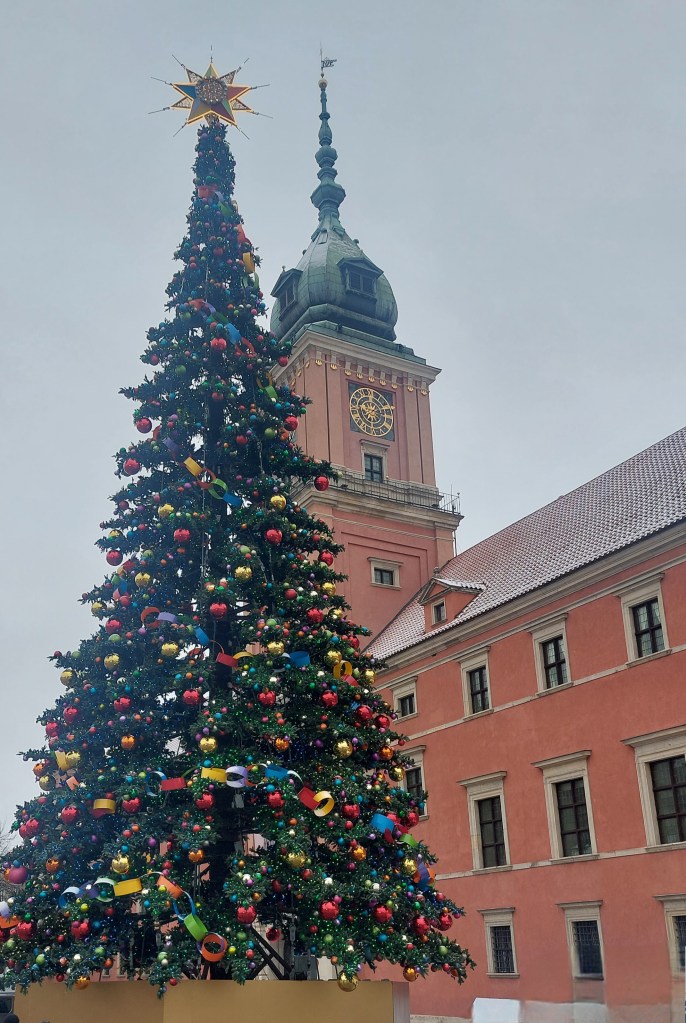
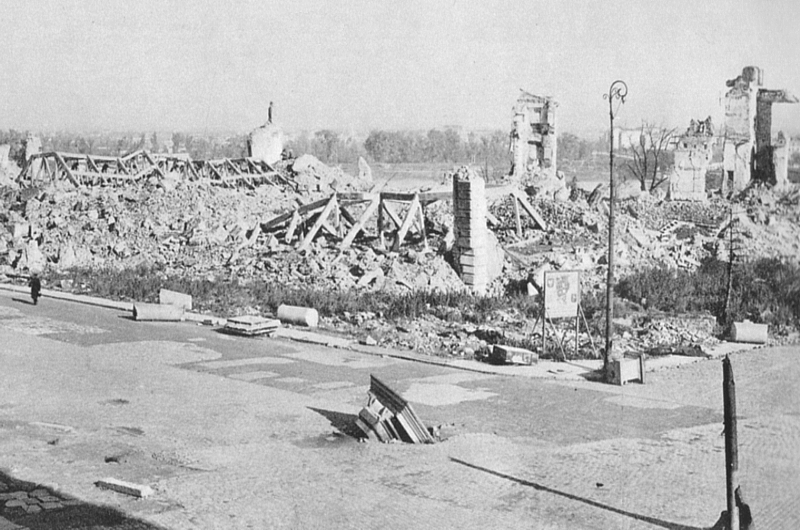
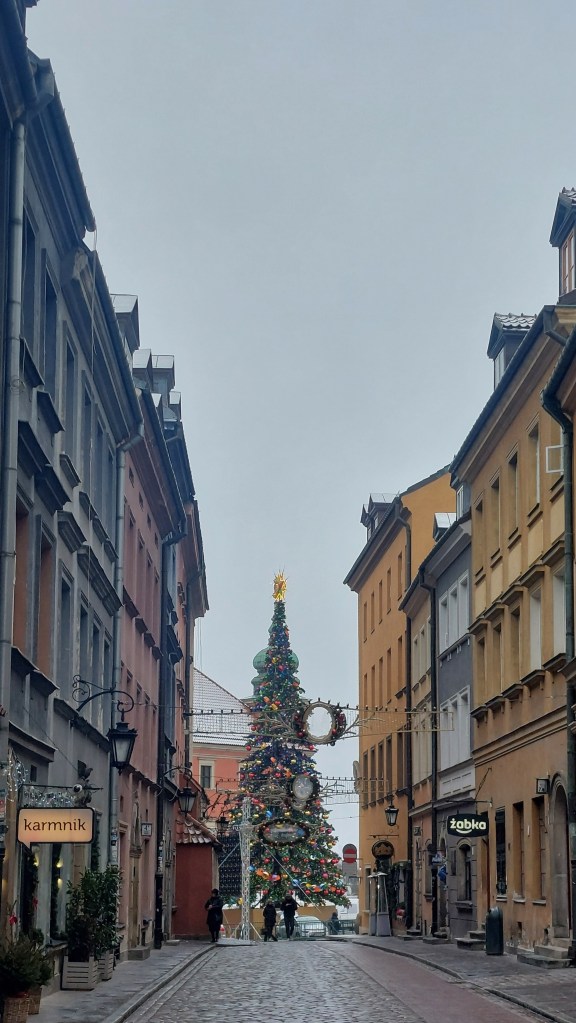
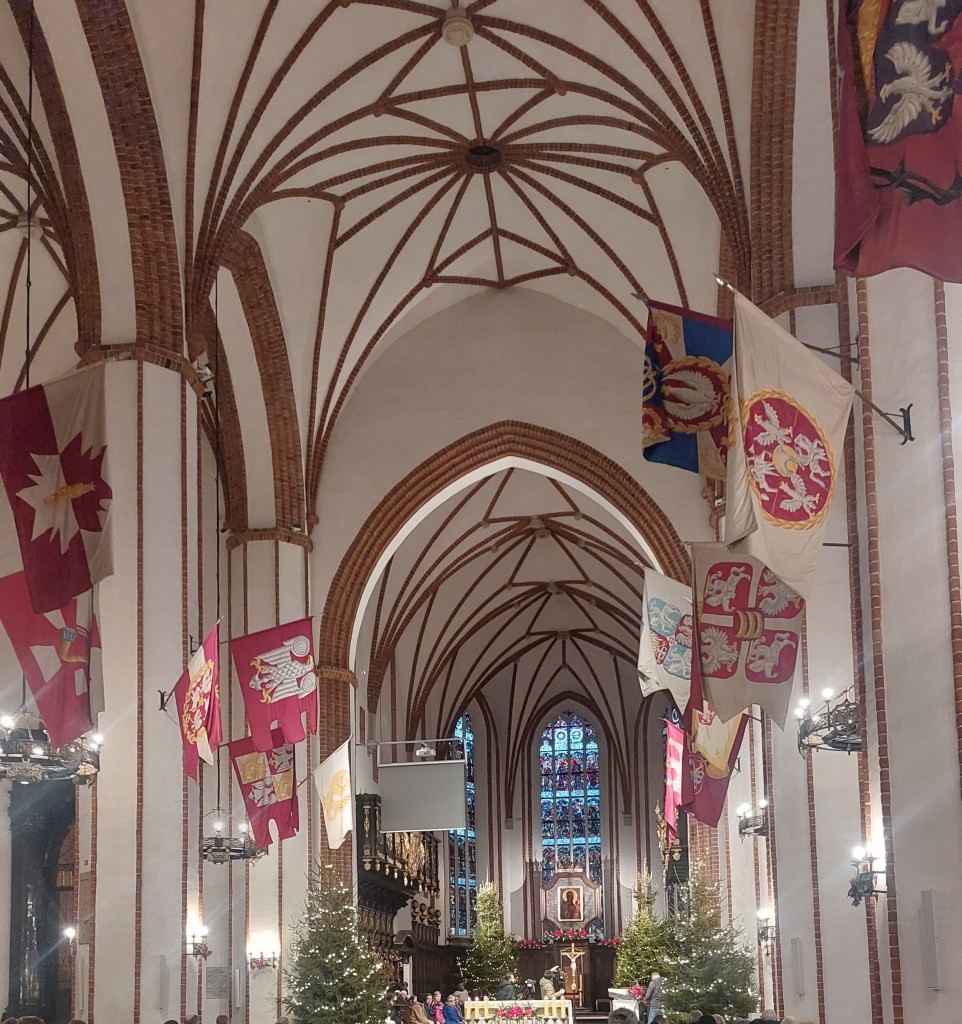
Today, you can walk around the Warsaw Old Town without realising that almost everything was rebuilt after WW2, and now it is incredibly beautiful. However, a building that is not quite up to this standard of beauty is the most important church in Warsaw – the Cathedral of St John the Baptist. This looks relatively squished into its location, which is true as at the time it was built the Old Town had already built up around it, but there was a desire to have a cathedral near the Royal Palace for the Kings and Queens to come and pray every day (they were committed back then):
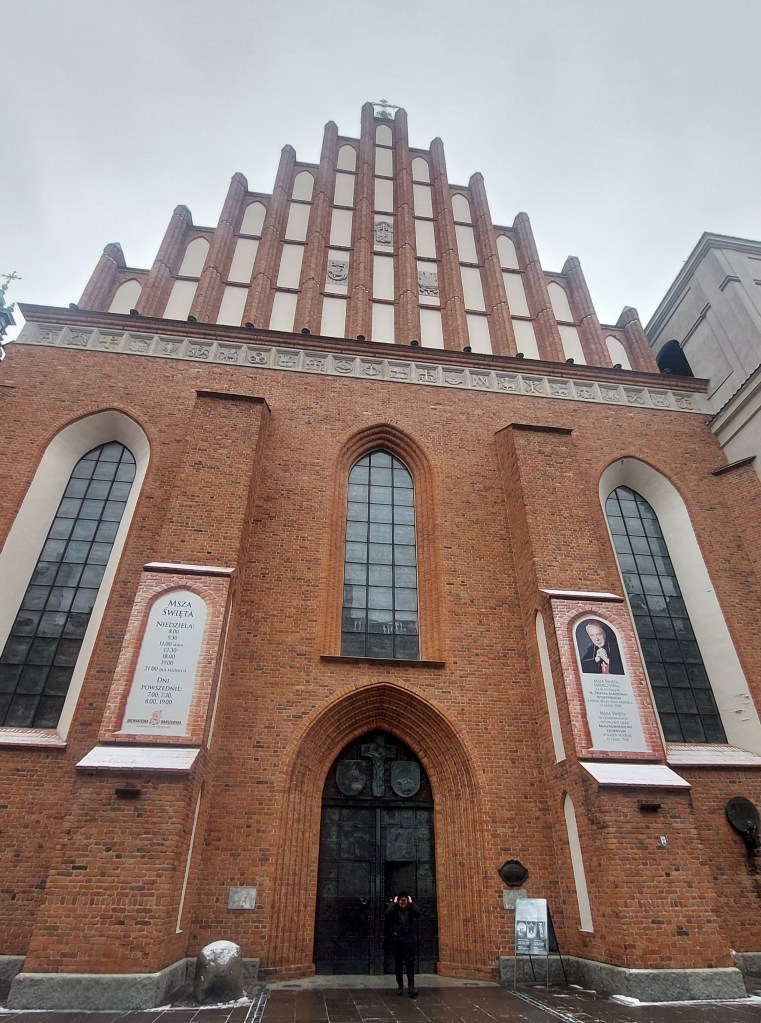
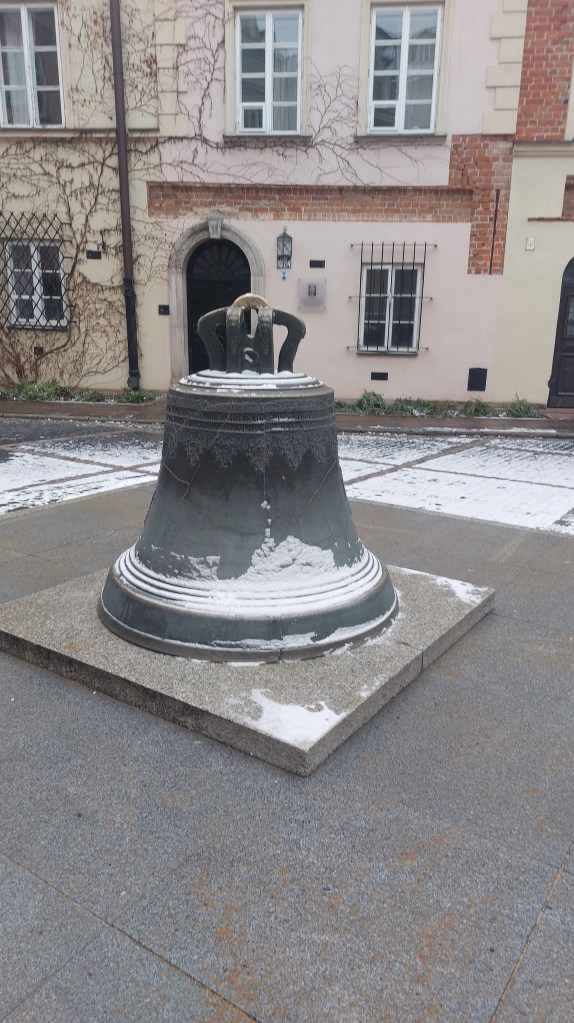
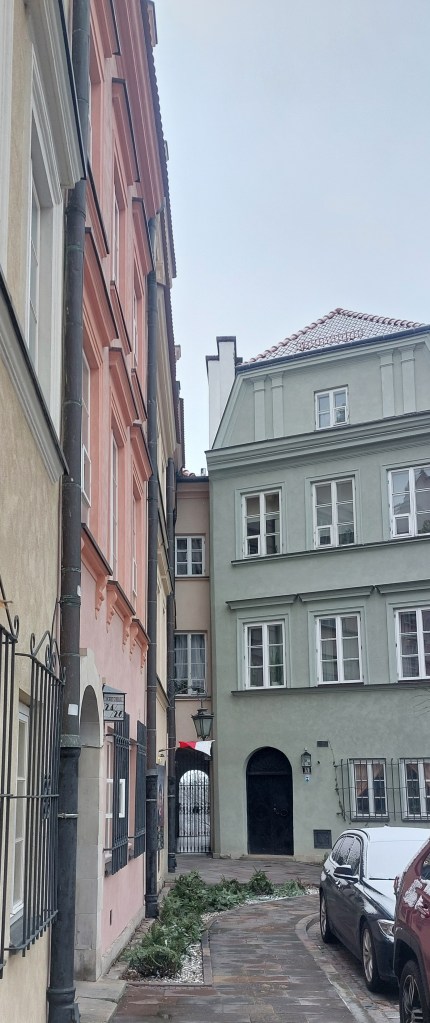
Our next stop was a small square behind the cathedral known as Little Amsterdam Square because of the Dutch style houses on one side of the square. It is also home to the narrowest house in Warsaw/narrowest tenement building in Europ (pictured below) and a broken bell. It was an odd choice one might think, but this bell was ordered by the King from a German maker in 1645 for the cathedral. Unfortunately, in casting the bell cracked, and then for some years, people were unsure what to do with it. However, on his death, the maker was buried in Wasaw in the cemetary that this square is built on top of, and this bell has been reunited with its maker. It is said that if you rub the bell, the bellmaker will grant your wish. I made one, so I’ll let you know what happens…
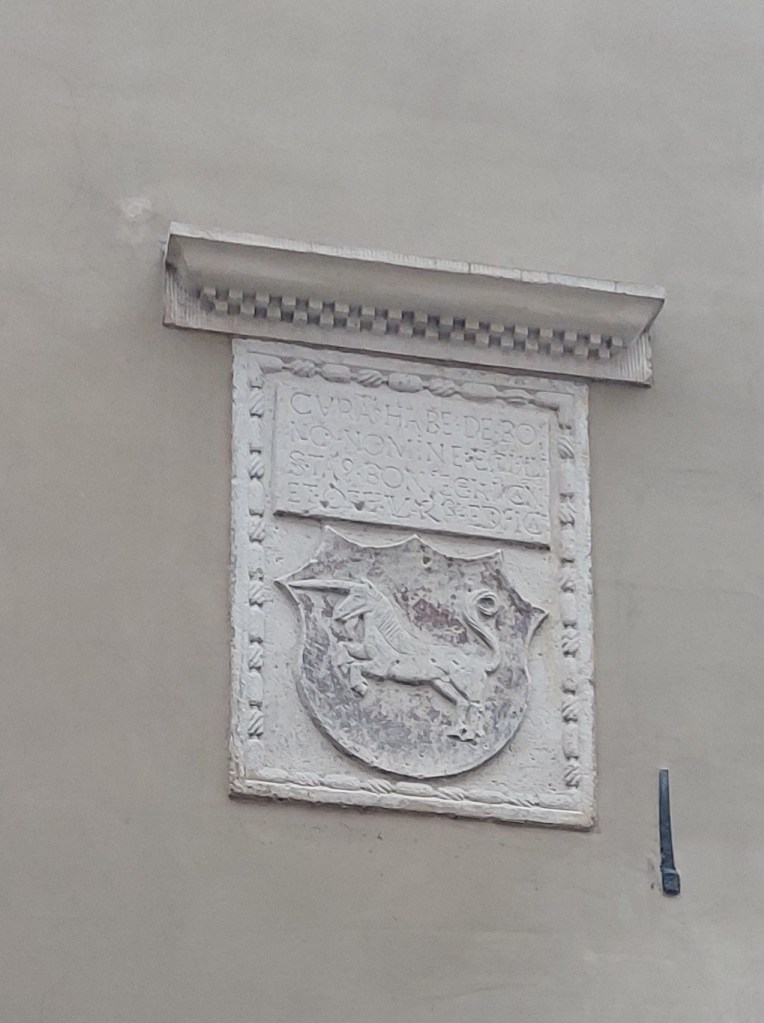
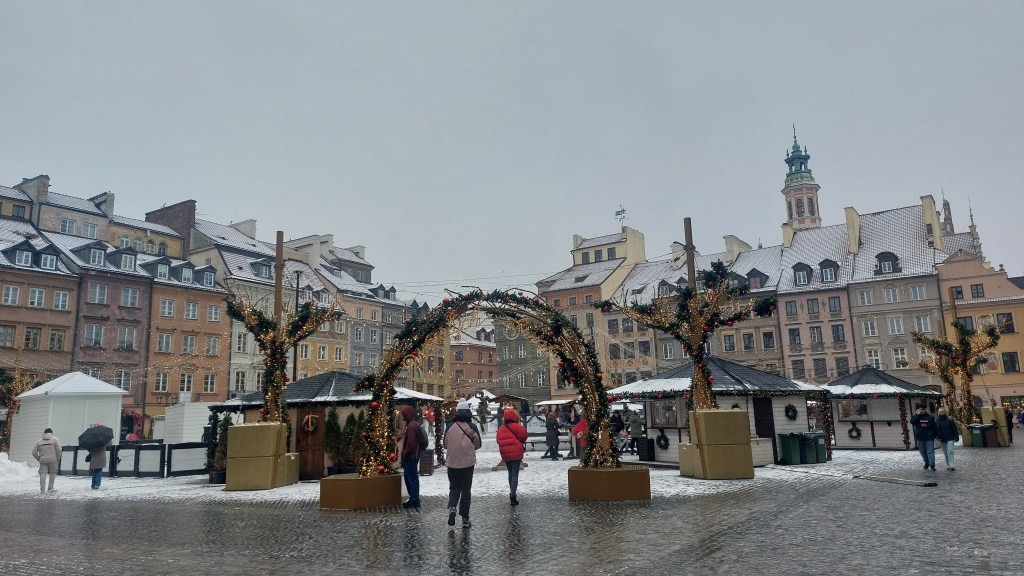
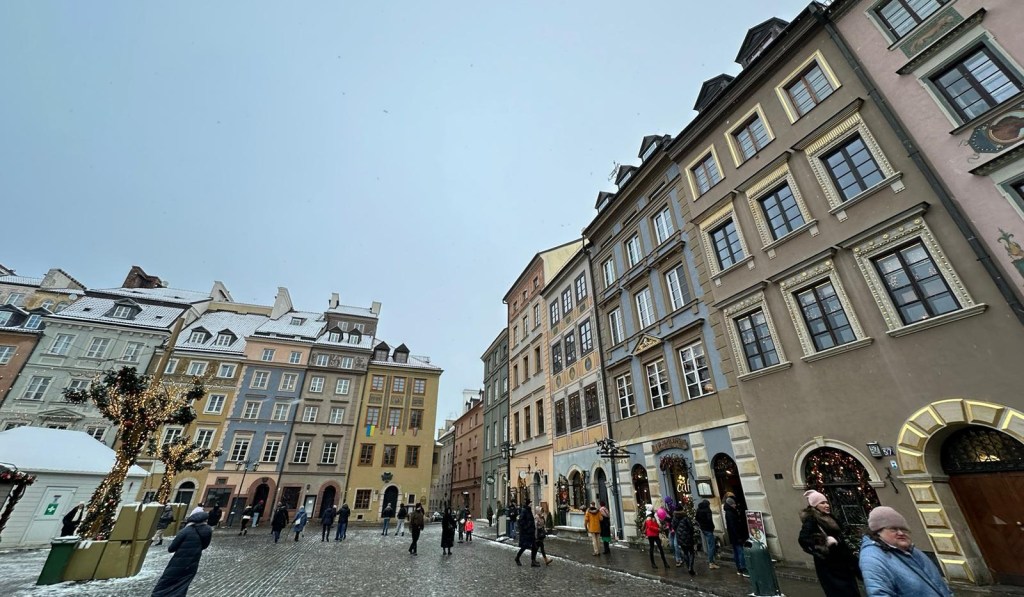
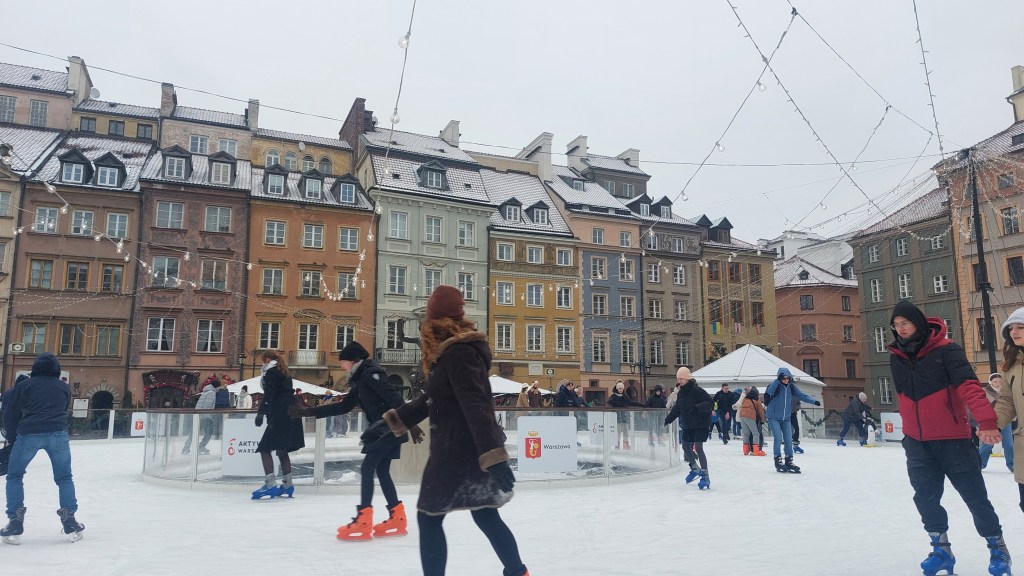
On to the Old Town Square, which was used as the market square when Warsaw was only a small provincial town, so does not have the granduer of many in Europe. However, it is lovely and has been rebuilt exactly as it was after WW2 (when only the frontages of 2 buildings survived the bombardment). In winter, there is a free ice rink, and in the centre is a statute of the Warsaw mermaid. She is a warrior mermaid and the sister of Copenhagen’s mermaid, who is seen as more interested in singing, doing her hair as opposed to protecting the city and its inabitants i.e. she is well hard.
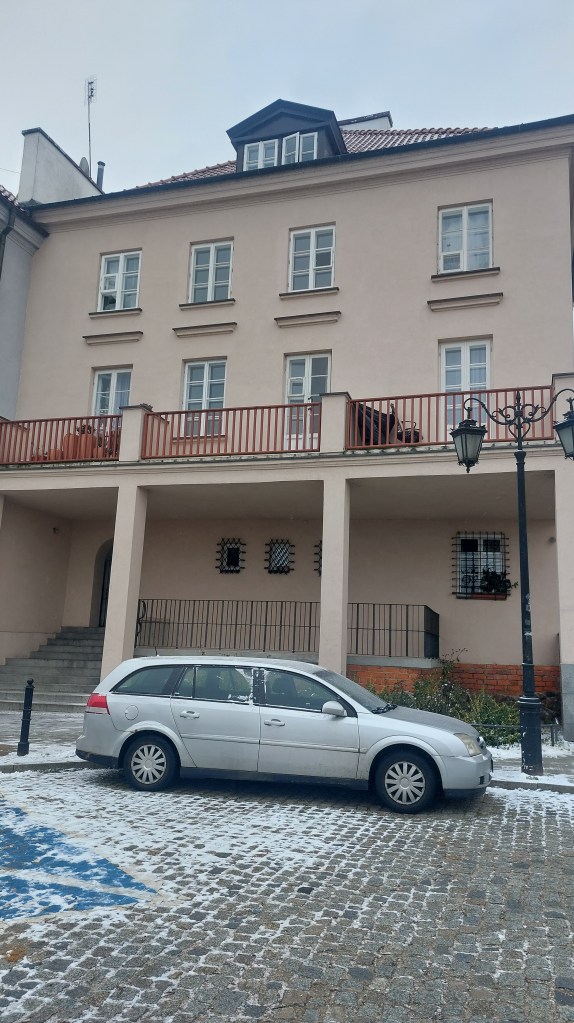
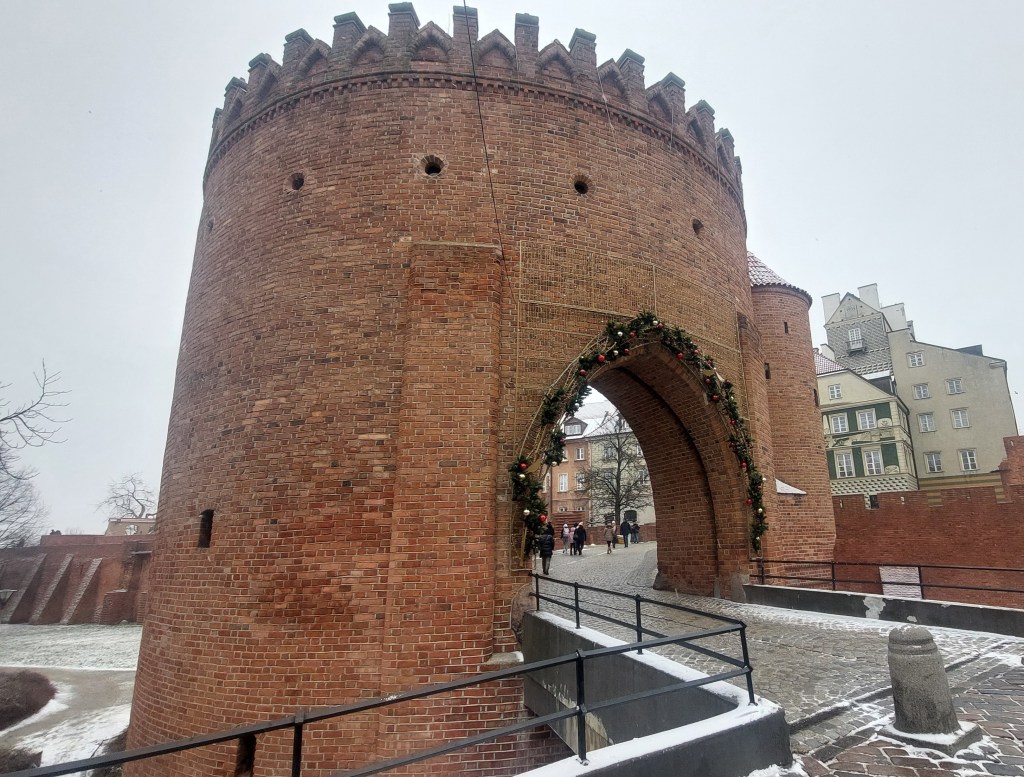
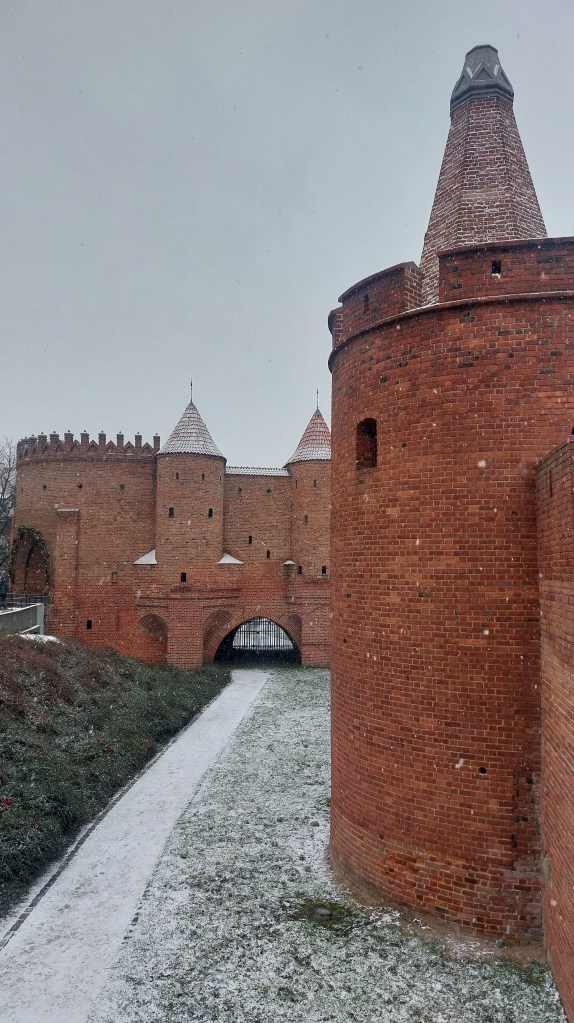
We then left the Old Town via the reconstructed city walls, and into the “new” city which was built in the 16th century as the Old City was now too small to house everyone, so permission was given to build a new city outside the walls (which were no longer really that useful given developments in artillery!). Much of this area was destroyed during WW2, and replaced with soviet blocks, but a rebuilt building was where a very famous Polish scientist was born – Marie Curie was born on the top floor of the building pictured below. Marie Curie surely needs no introduction, but suffice to say she was the first woman to be awarded a nobel prize, the first idividual tohave two and the first person to win a nobel in two diferent scientific fields. Impressive to say the least.

So, that was the walking tour. I only focussed on the Old Town as I will be learning more about Jewish Poland in Krakow. By now, it was time to retrieve my travelling companion, Steph. In order to fully enjoy the Three Kings Parade festivities, we both had crowns:


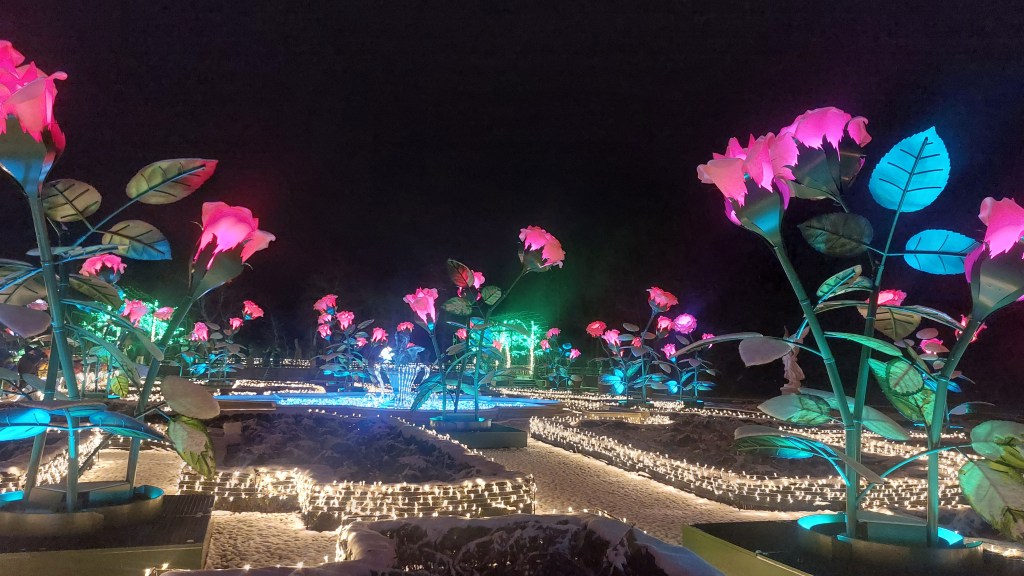
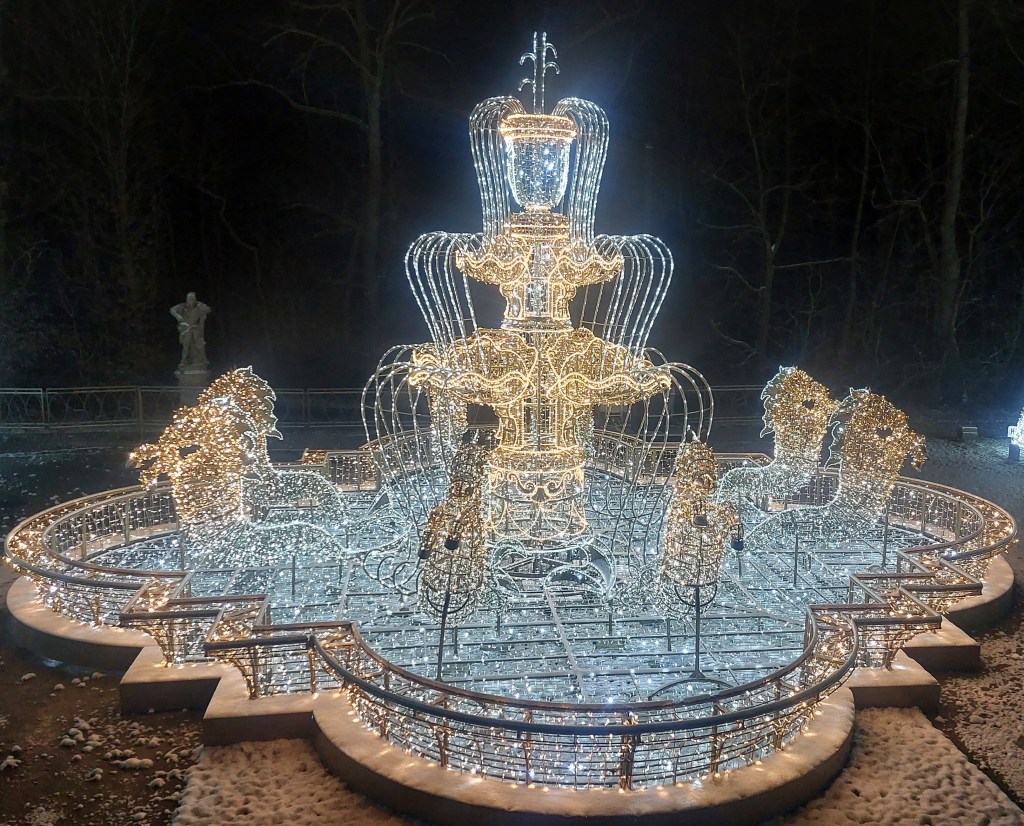
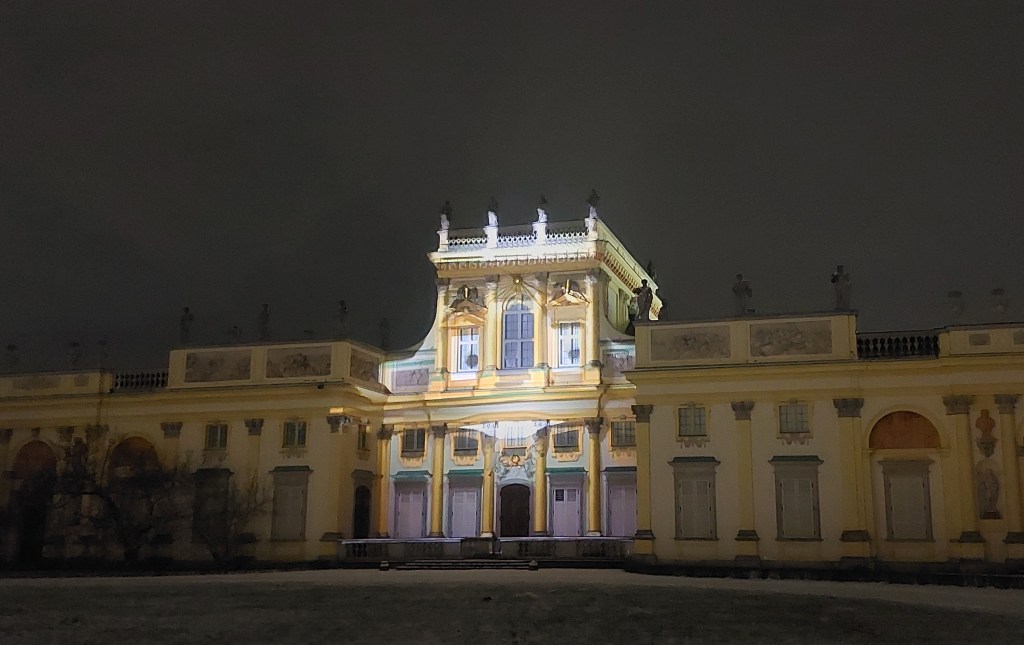
I did a condensed version of the Walking Tour for Steph to enjoy, and then we stopped for perogis and a warming sit before heading to King Jan III’s Palace in Wilanów which is about a 20 minute taxi ride outside of Warsaw. So, you would assume it would have taken 20 minutes from ordering to arrival? Nope. Warsaw Bolt drivers seem unable or perhaps unwilling to wait in a very small queue of traffic in order to collect us. Two drivers got within probably 300m of us before heading off in the opposite direction! Finally, we walked along the road to the problematic junction and only then were able to get in a taxi. It only took an hour, by which time we could probably have caught the bus which I had decided against due to the time. Maybe the world is trying to teach me the downside of TMaPing? Anyway, the reason for our visit was not to visit the palace itself, even though it is the oldest in Poland and considered the best repository of the country’s culture and heritage (according to Google), but for the light show. I do love a lightshow – good ones like Kew Gardens at Christmas, not rubbish ones like the one at Shugborough!
Just a small selection of the fabulous light installations:
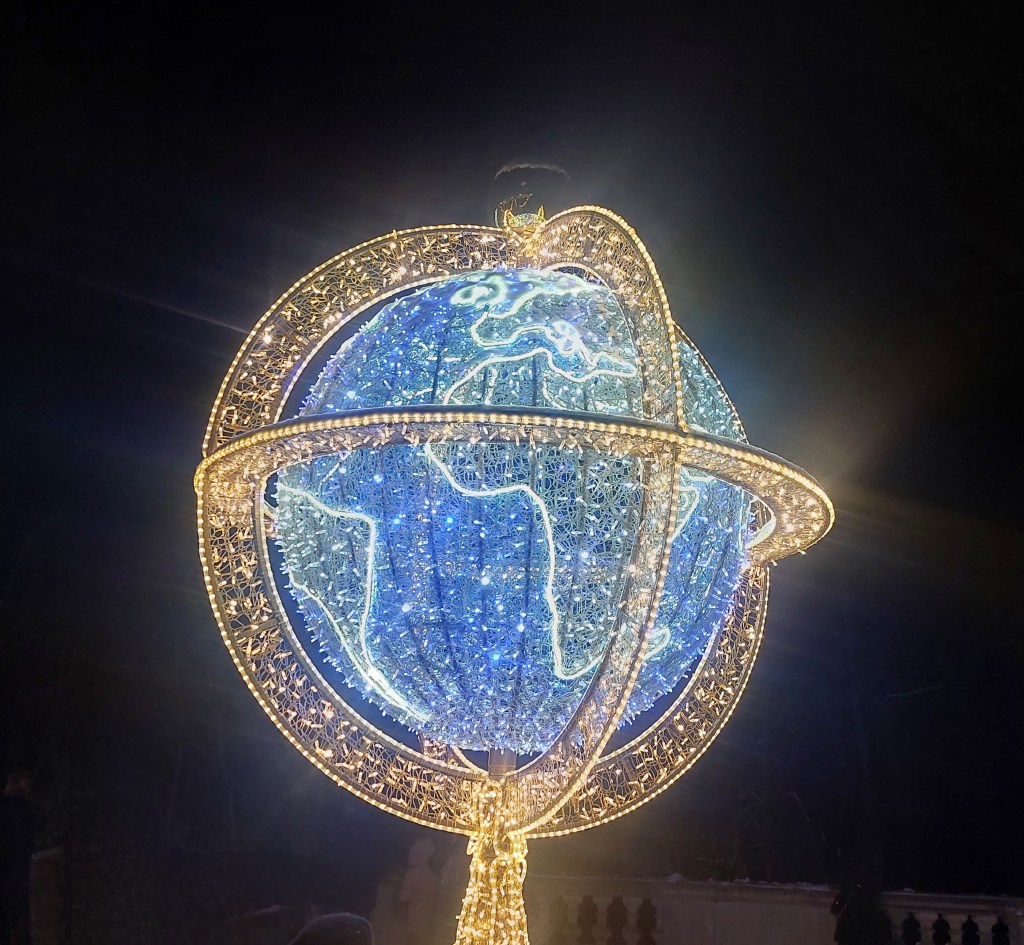

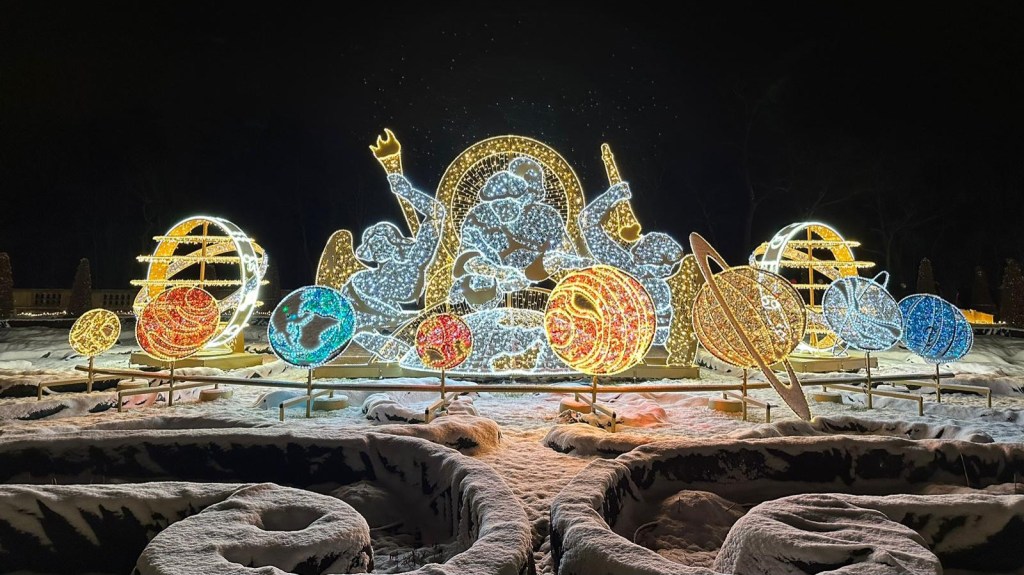
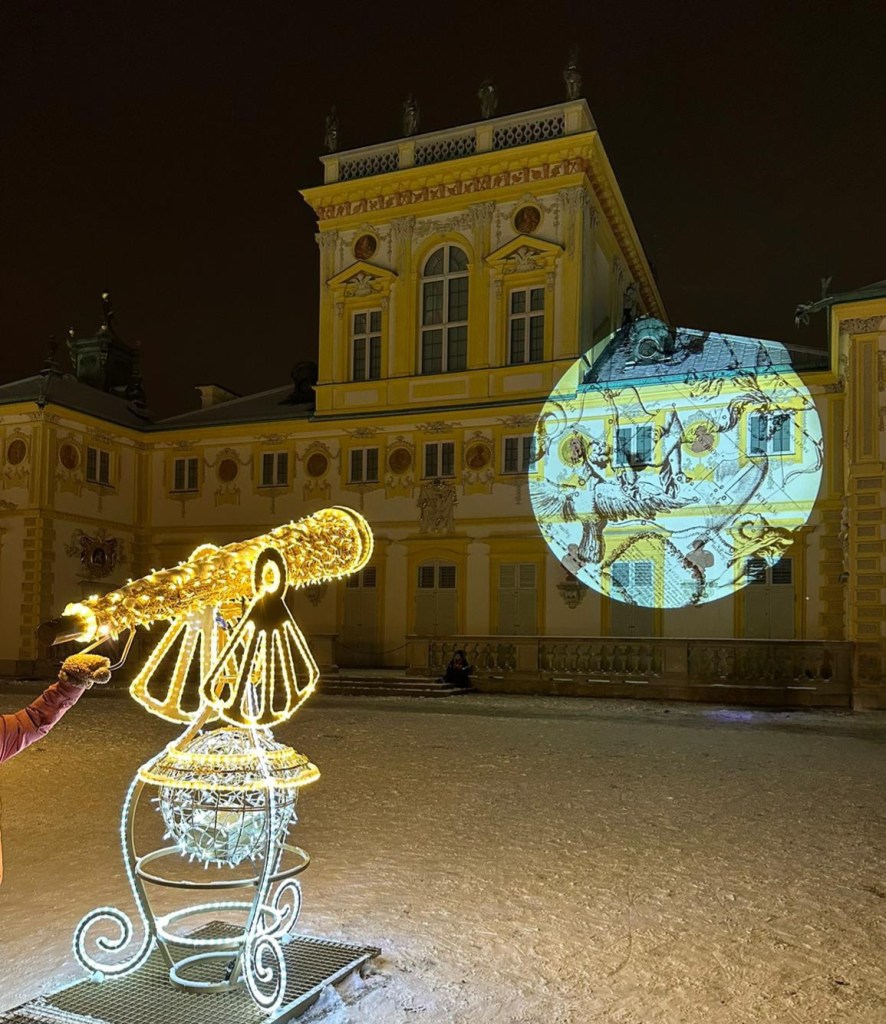
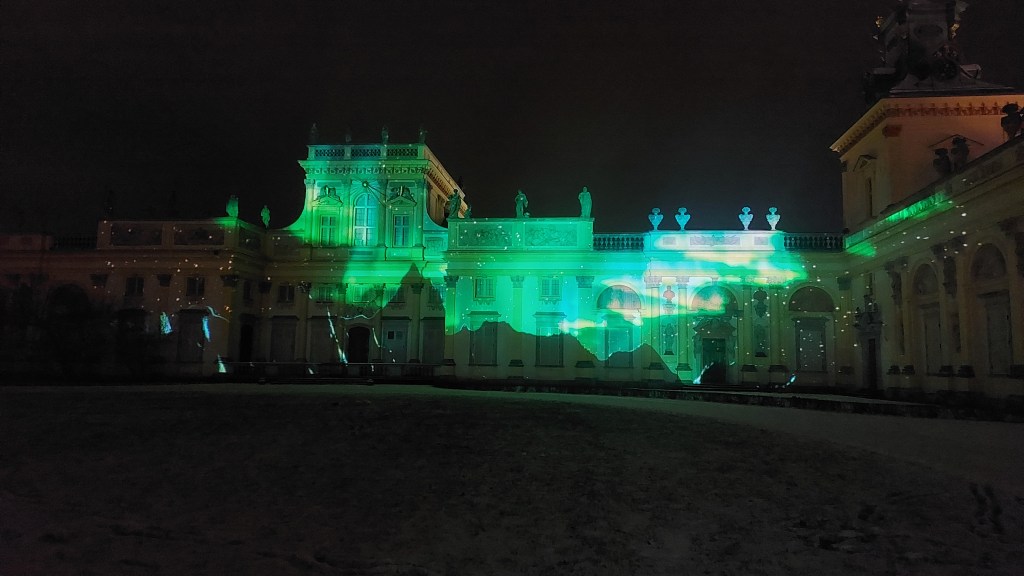
On certain nights, there are also “mapping” shows, which included Saturday nights. These are projections onto the front of the palace telling various stories, something about royal heritage or the royal occupants of the palace. Now, we thought we were about to watch the 6pm showing of “where is the Otter?”, but having watched the show and there being a decided lack of otters, we are pretty sure we watched the Earth show. However, it was still very impressive:
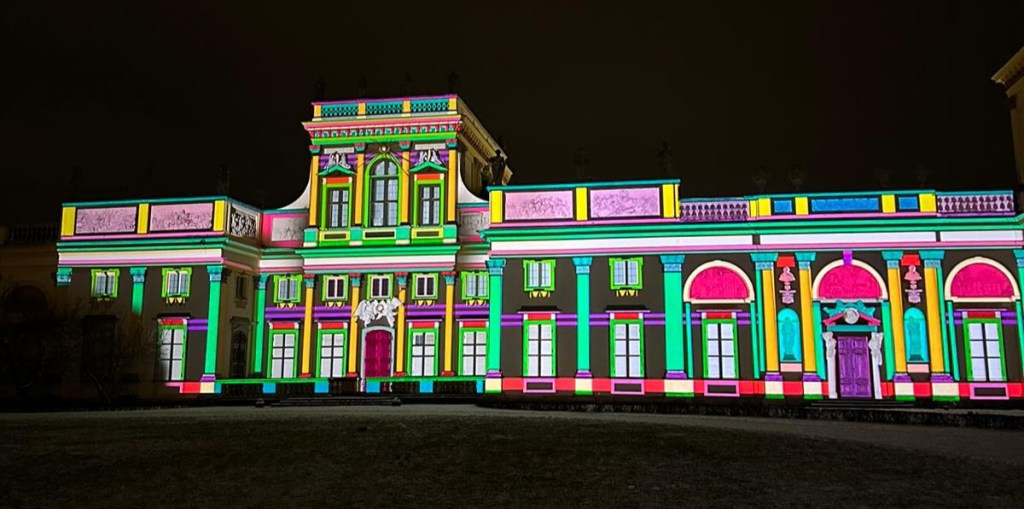
I am very pleased we went. Now, after all this excitement, it was time to return to our hotel for warming showers and an early night.
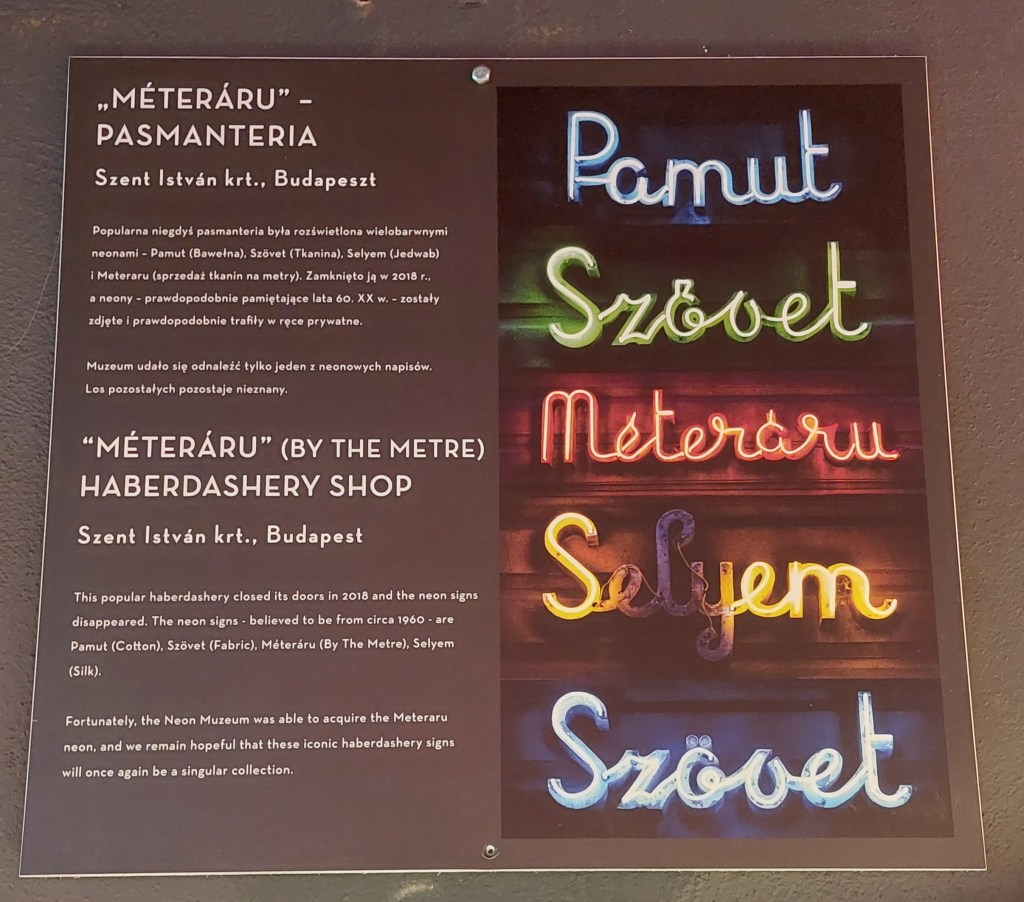
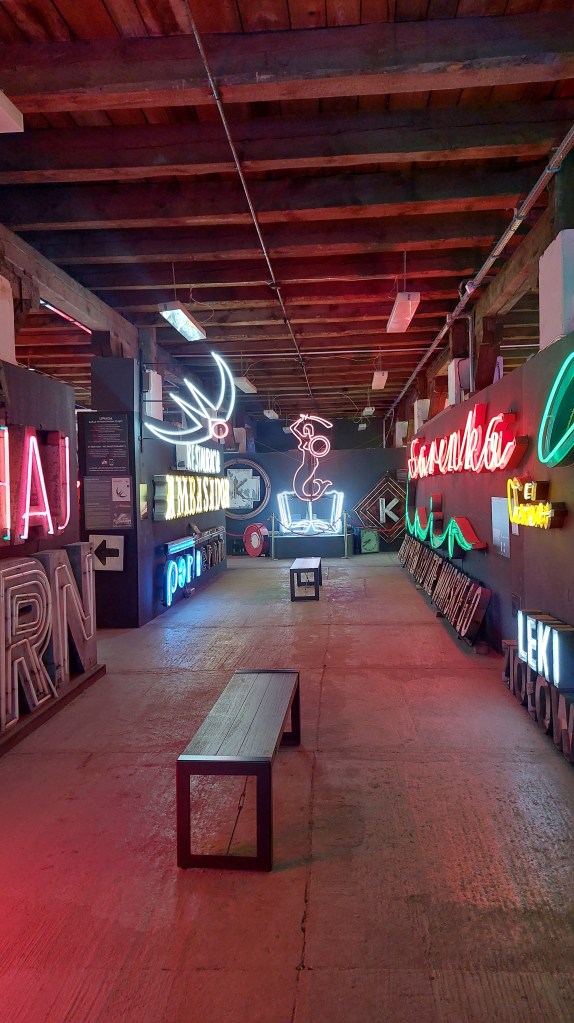
Today (Sunday), after a leisurely breakfast, we wrapped up (it being a forecast -8 today) warmly and took a tram over to the other side of the city to visit the Neon Museum. This started life as an enthusiasts attempt to “save” the Cold War era signs of Warsaw as they fell into disrepair, became too expensive to wswitch on (during the econmoic crisis of the 1980s) or as fashions changed post communism. I had not realised that at one point, Warsaw was considered one of the Neon cities of the USSR, not really associating communism with neon advertising. However, in the USSR, neon signs were not generally used as advertising (other than occasionally to advertise products that were not actually available such as butchers shops!) but more to make statements or mark locations. In fact, in the 1970s, Warsaw had its own commission that would check at night that all neon signs were working properly and fines were handed out for any faulty signage. Sounds a bit communist…

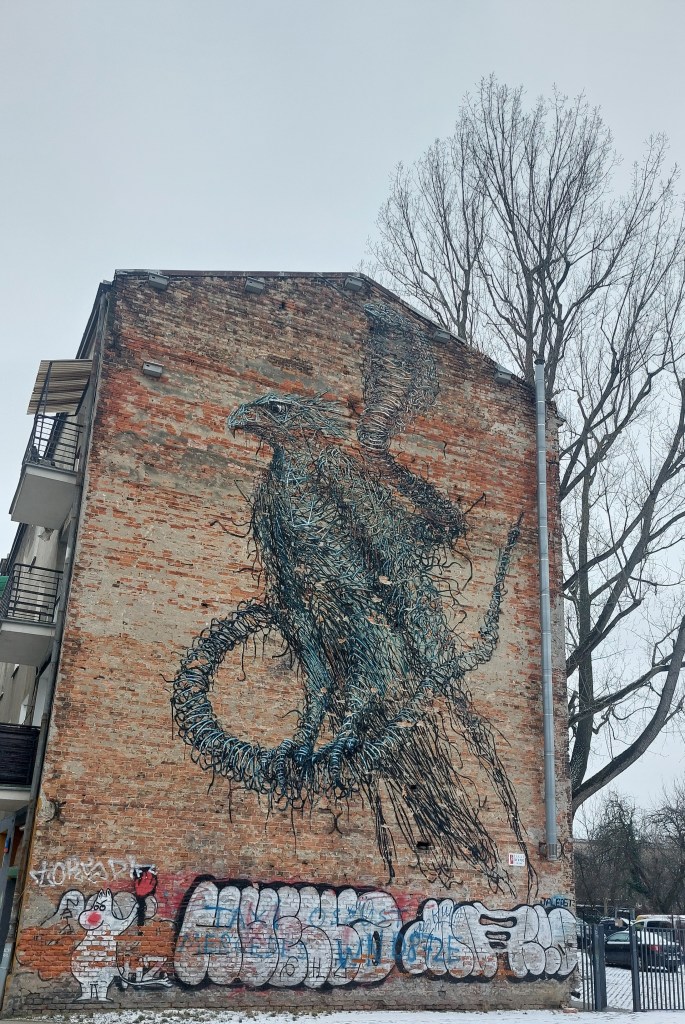
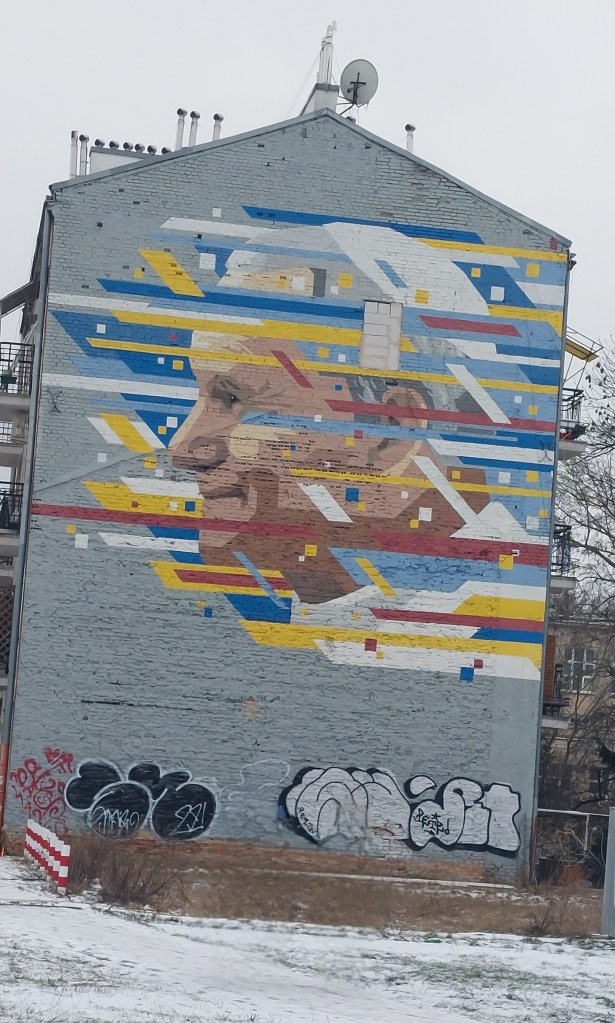
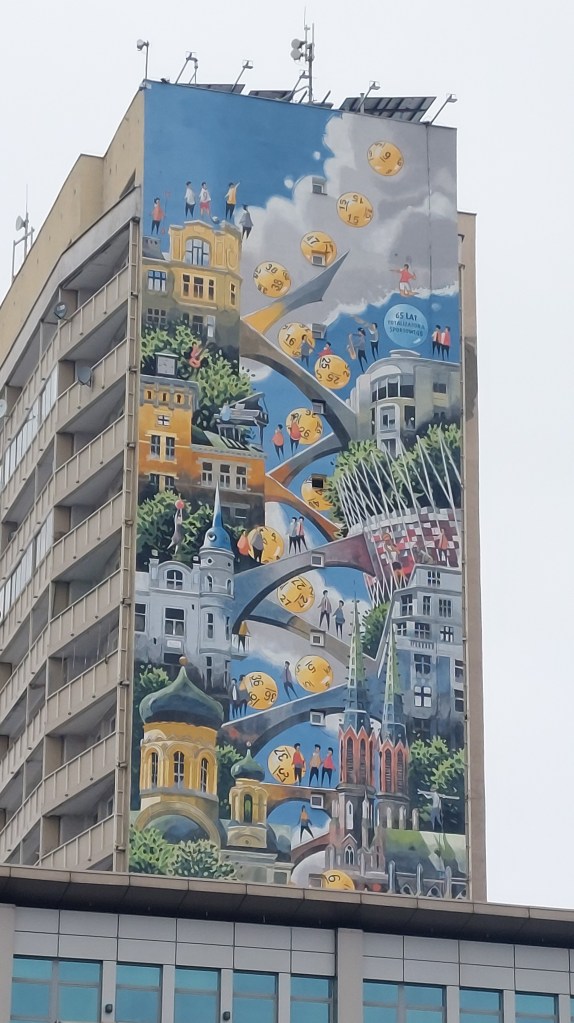
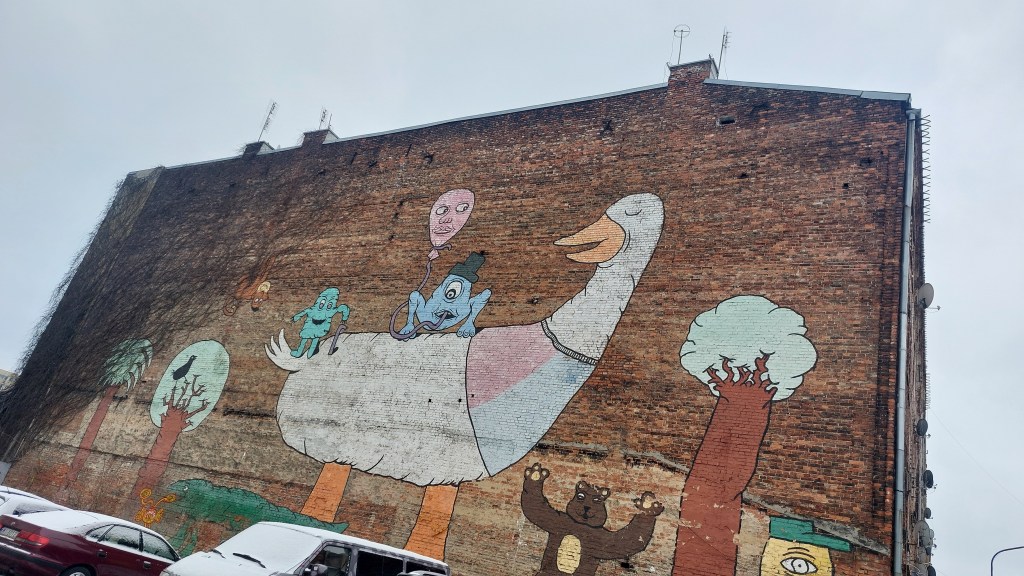
As the musem is located in the Kamionek area of Warsaw (which is the cool, slightly gritty area – so I felt very much at home!) we also had Steph’s friend Ally’s Google Maps guide to the Street Art of the area, so we went on a little self guided walking tour (at one point seeming to run into an actual walking tour!).
We then headed back to our hotel to collect our luggage and board (yet another overheated!) train to Krakow. I have really enjoyed my time in Warsaw, and once I got over my initial shock of being in a city again (which turns out I actually really like), I warmed to it very quickly and probably should have had an extra day or so fully experience all of the history. Looking at Warsaw today, it is quite hard to imagine what it would have looked like in the 1940s, i.e. just before or after the war, as today you have the beautiful replicated old town surrounded by modern skyscrappers, which makes it an incredibly interesting place to visit. I shall return.

 Travels with Kathryn
Leave a comment