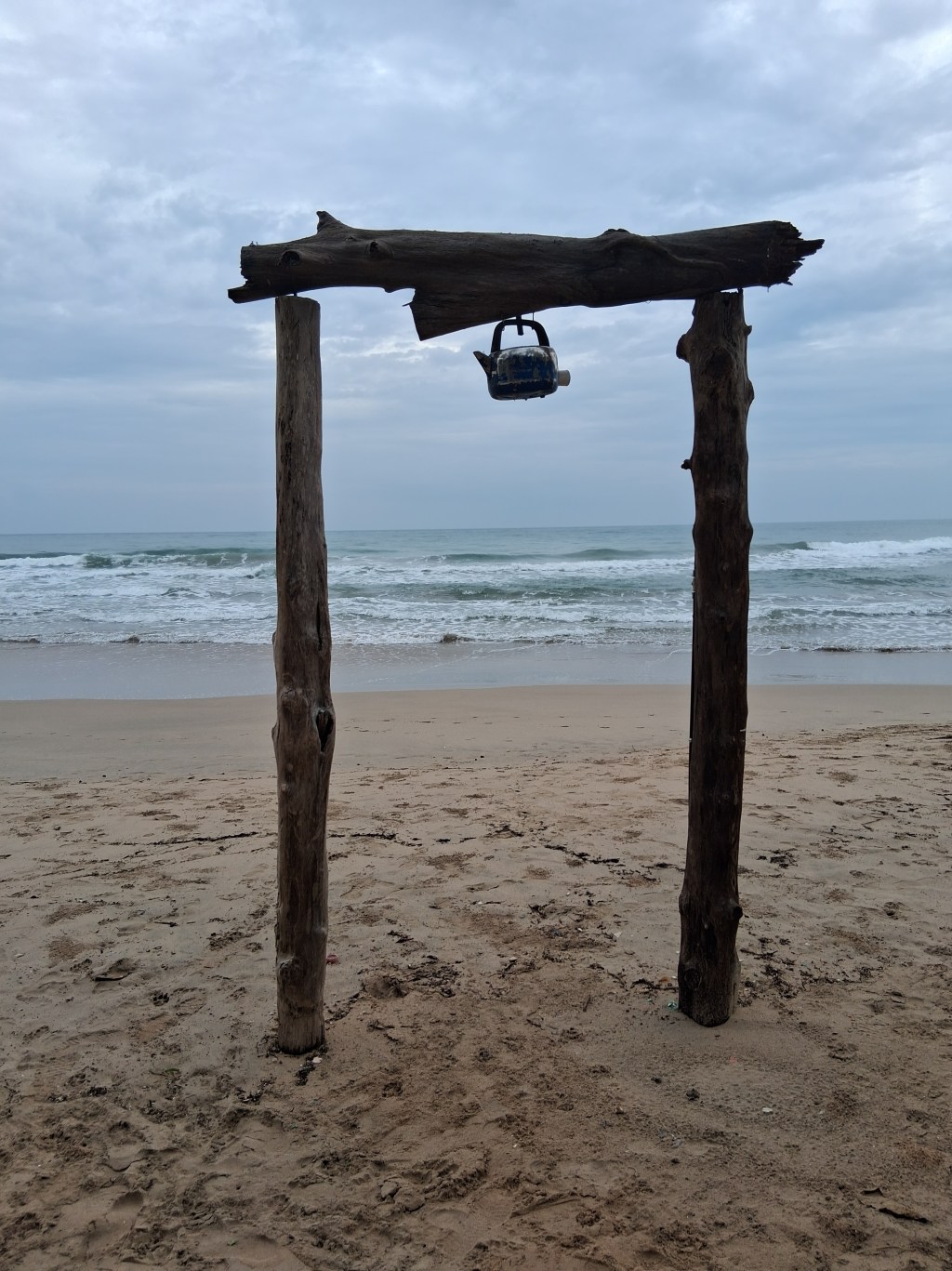
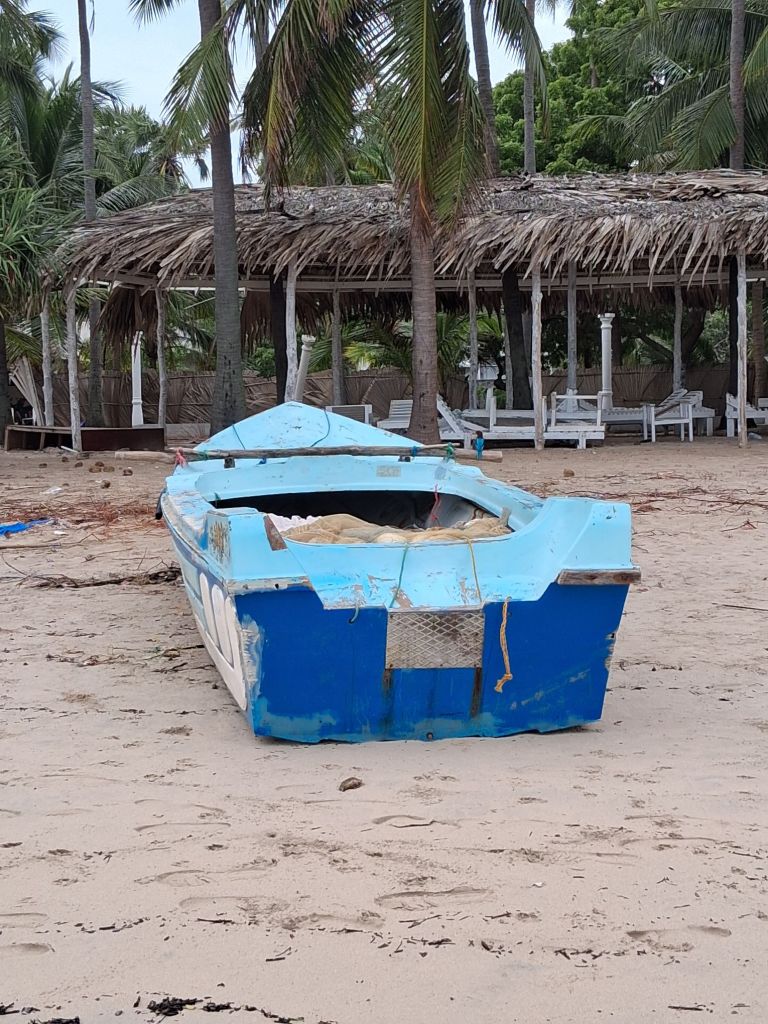
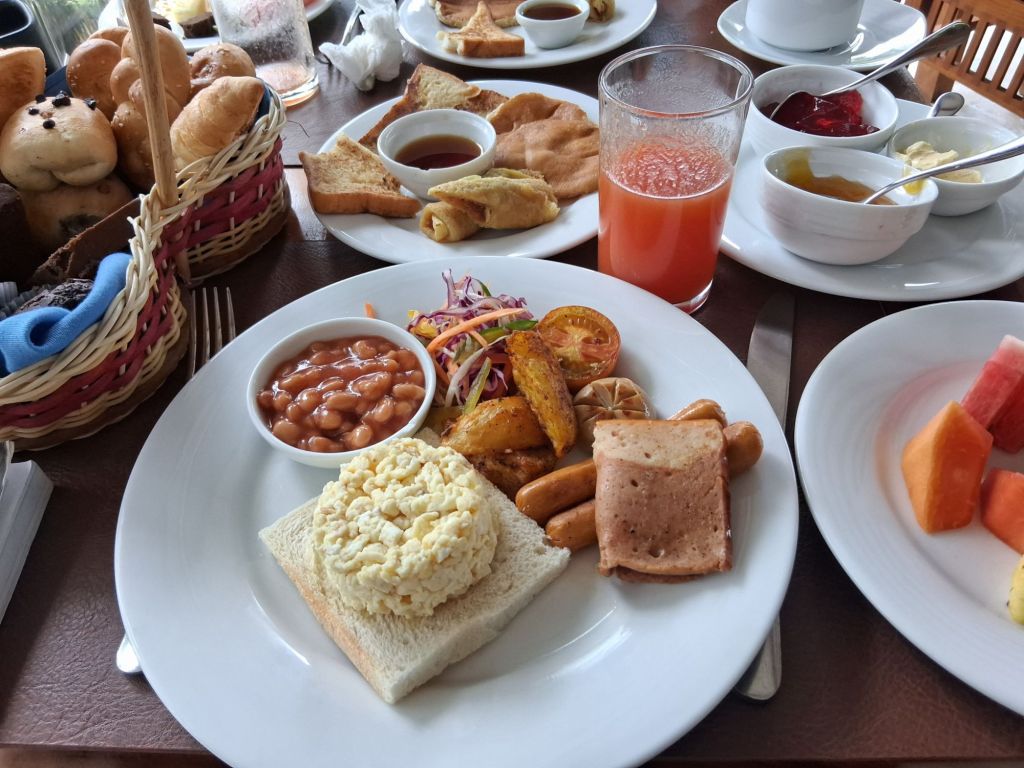
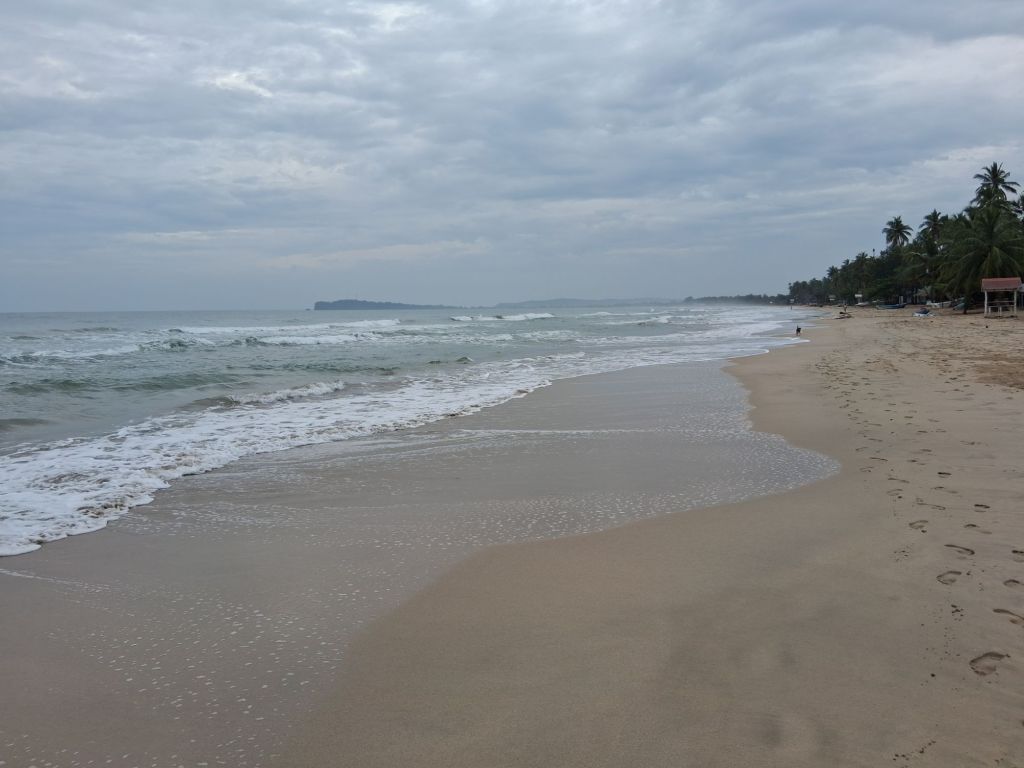
We are exactly at the half way point of our tour and today we are having (mostly) a chilled out day. As we were not leaving the hotel until 10am I had time for a walk along the beach, a swim and an extensive breakfast.

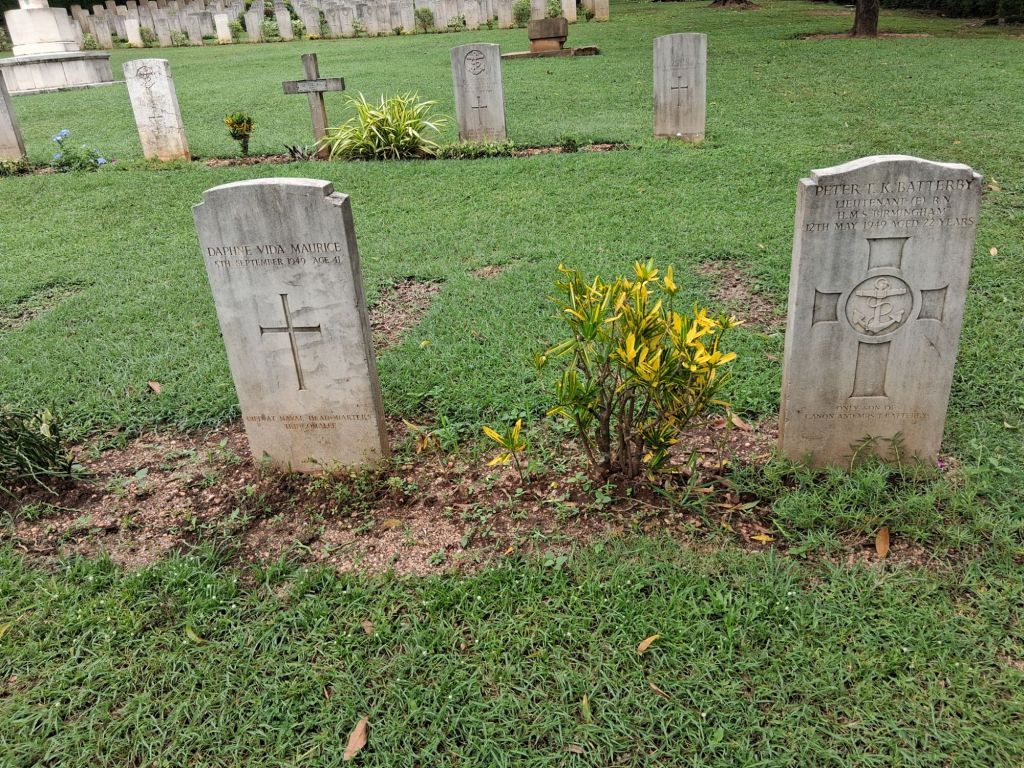
We started with a visit to the Commonwealth War Cemetary. This contains the graves of 364 (mostly, but not exclusively) British service people, many of whom were killed during Japanese air raids in 1942. Until WW2 no British troops were stained in Ceylon, but after the Japanese attacked Malaya, the Philippines and the Dutch East Indies on 7 December 1941 Ceylon was strengthen by Indian (also part of Great Britian at this time) and British forces. With the fall of Singapore in February 1942) Sri Lanka became the new headquarters for the British Eastern Fleet. From 31 March 1942 Japan launched a major operation against the British Eastern Fleet (based at Trincomolee). Fortunately for the British, the Japanese army were unable to commit to an invasionary force, but they attacked by sea and air at a number of strategic locations, including Trincomolee, and suffered heavy losses. After April 1942, Japan turned its attention elsewhere as was already overcommitted, with the main threat coming from US forces in the Pacific. The British Eastern Fleet were stationed here until Sri Lankan independence.

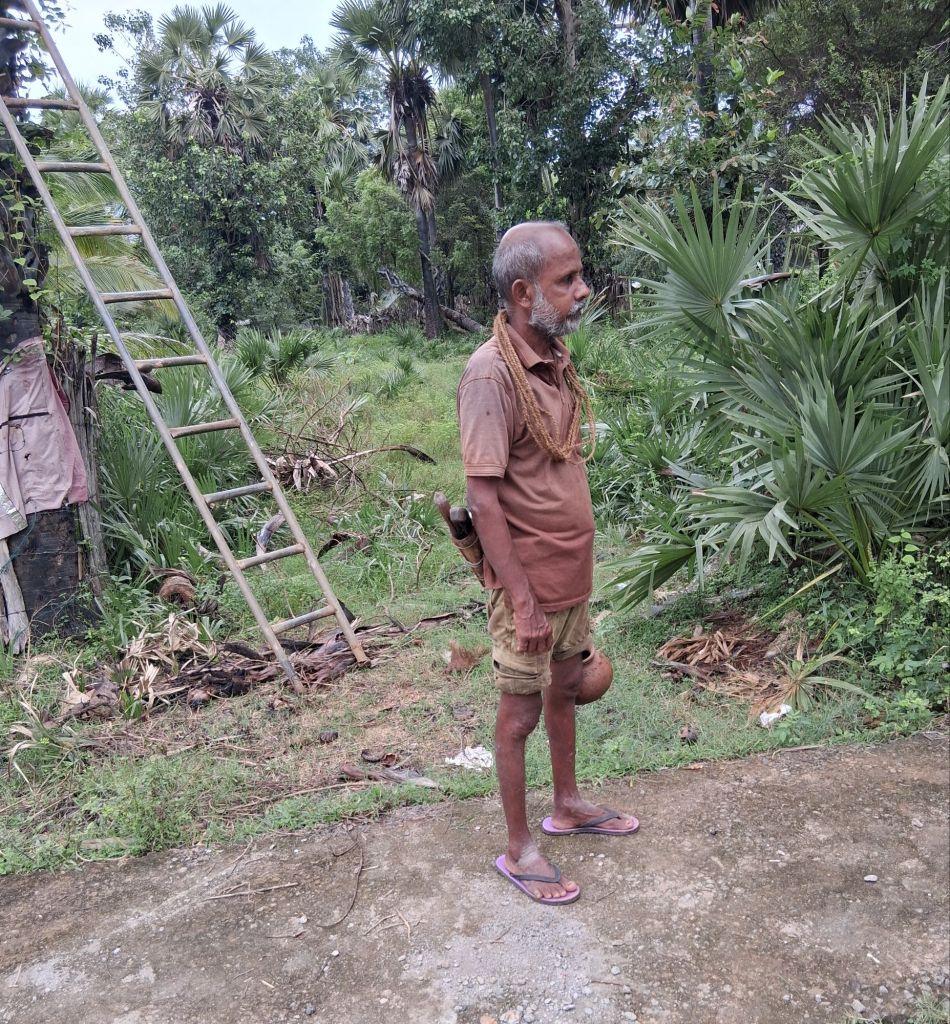
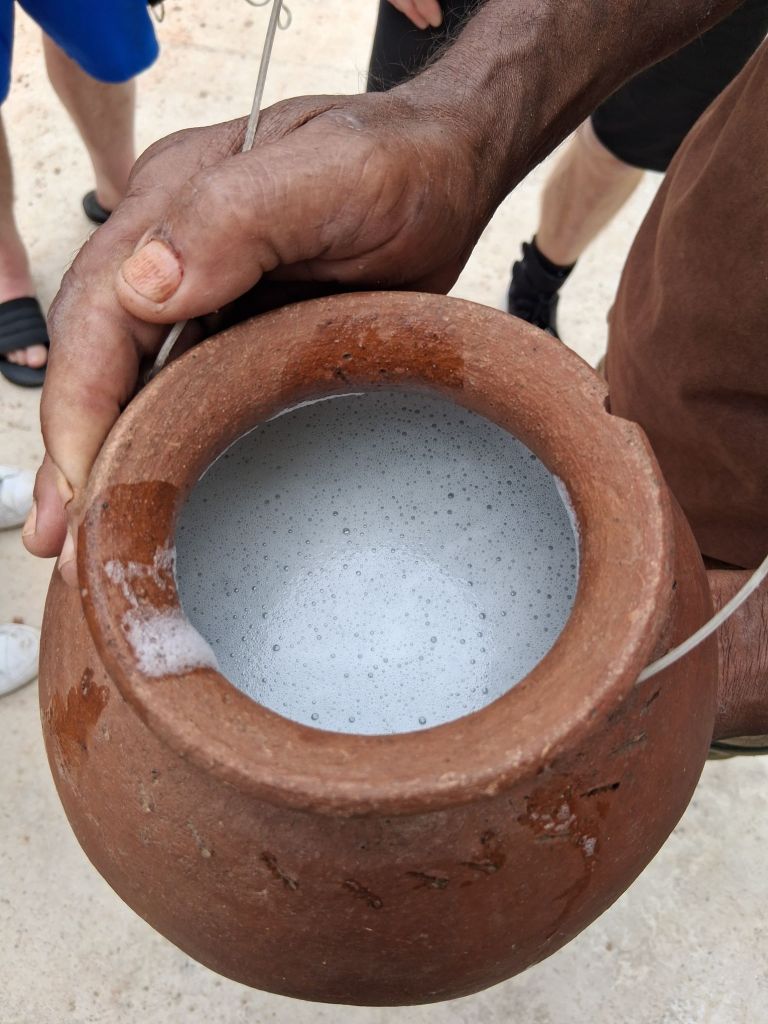
So after that moment of reflection, we visited a local family to learn the noble art of toddy tapping. Sri Lanka is home to one of the oldest alcohols in the world (mentioned by Marco Polo – well we are on the silk sailing route). Toddy is water and coconut sap taking from the palmyra palm, it can be drunk straight (and has an eartly but not unpleasant taste) or left to ferment (due to its natural sugars and yeast) which tastes a but like cider. It can be distilled to become arrack (as consumed by me only a couple of days ago) which is actually very nice and tastes similar to whiskey.
Anyway, to obtain said toddy, a man has to scale a tree. For this task, you have to be flexible and weigh probably equivalent to a coconut. I decided not to volunteer myself to have a go…

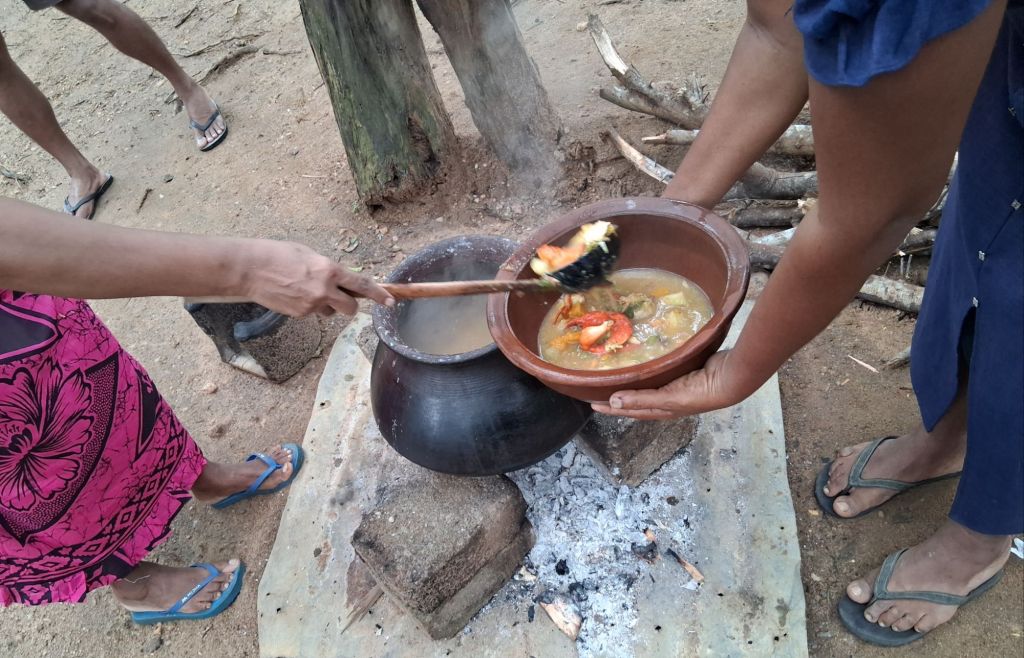
We also had a delicious bowl of odiyal kool which is a Tamil seafood soup containing crab, fish, red rice, tapioca, jackfruit seeds, green beans, butternut squash, breadfruit all boiled up with some magical spicing concoction including tamarind, garlic and chilli finally thickened flour made from drying the roots of the palmyra palm. Utterly delicious, with a bit of a kick to it.

It was now back to the hotel for some downtime before heading into Trincomolee. Unfortunately, it continues to be overcast so whilst its still hot and muggy, it is not necessarily lets go enjoy some beautiful beach weather. I therefore decided it was time for a little quality time writing my blog and reading my book.
I knew when I booked this tour it would be pretty full on, so this is really the first bit of free day time time we have had. That is not a bad thing as I cannot believe how much I have seen and done in such a short amount of time, but already I know I want to come back to Sri Lanka and see more of the country – I could also quite happily spend a week in Trincomolee enjoy the laid back beach vibes, the naval history, amazing cusine and Coming Home locations.
Anyway, it is now the evening, and I am catching up. So, at 3.30pm we headed out (being fed biscuits and bananas in case we were famished having last eaten all of 3 hours ago) to the Pathrikali Amman Kovil. This hindu temple is dedicated to the Goddess Badrakali and there has been a temple on this site since the 11th century. Today we have a much more modern interpretation, but the interior is one of the most elaborately decorated Hindu temples I have ever been to (and it is not like they are normally plain!) so it was quite something to behold.
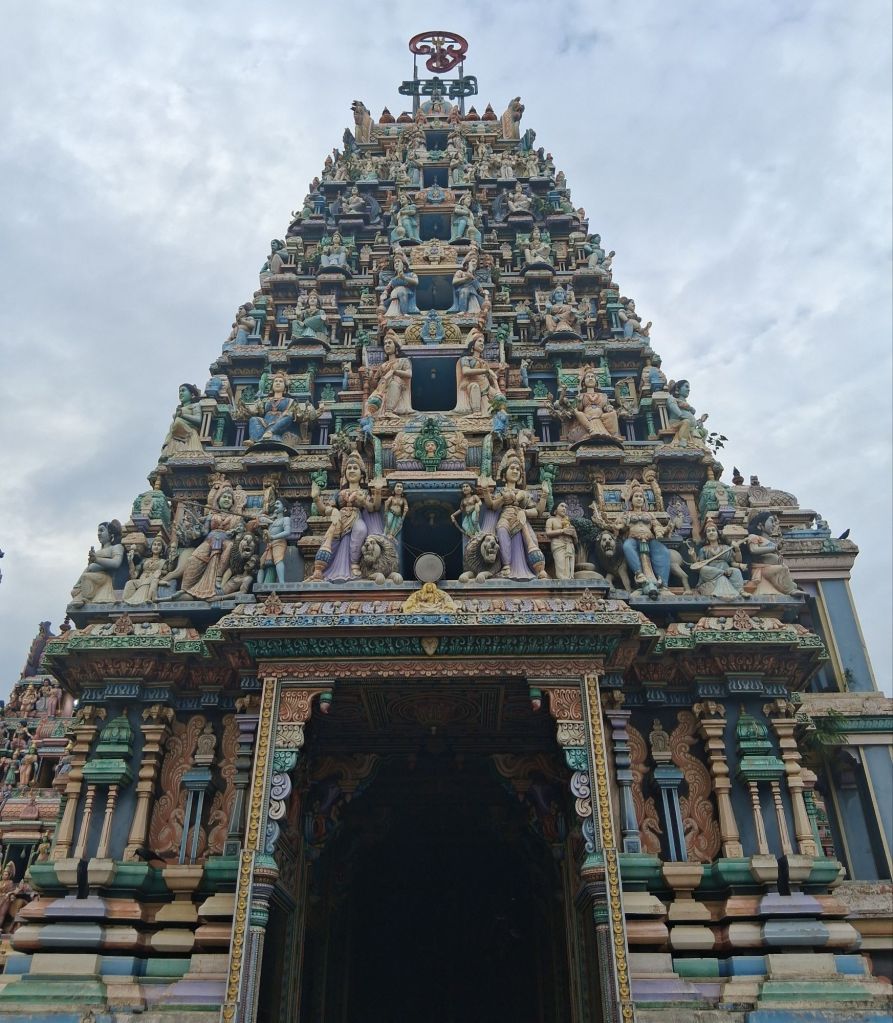

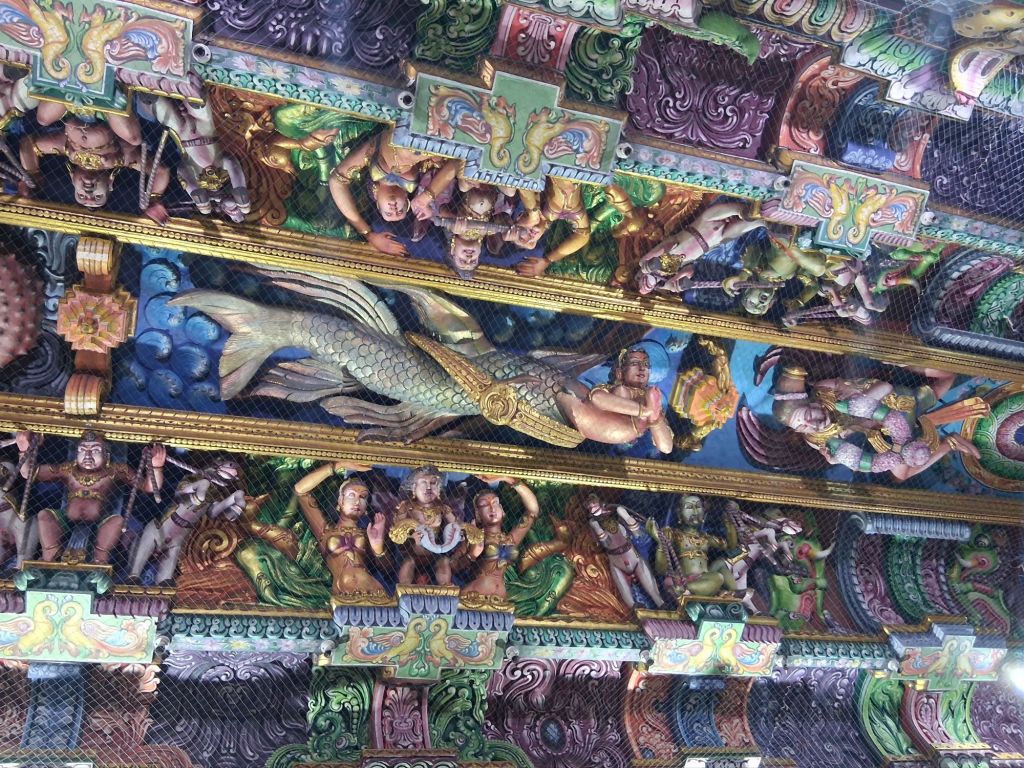
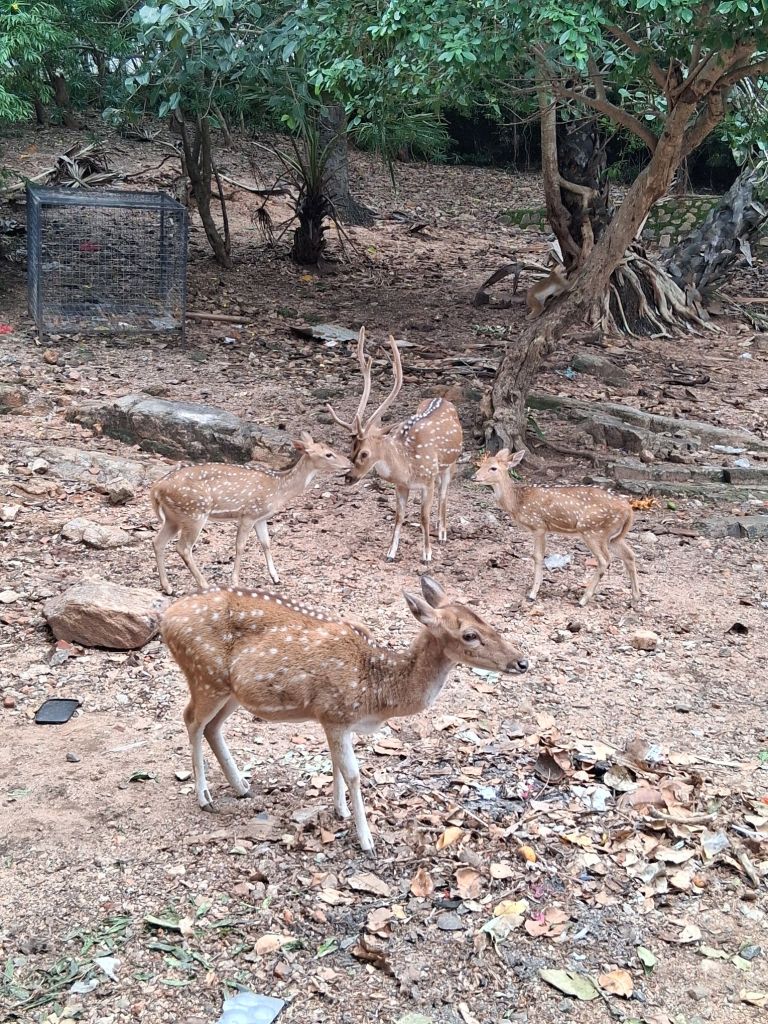
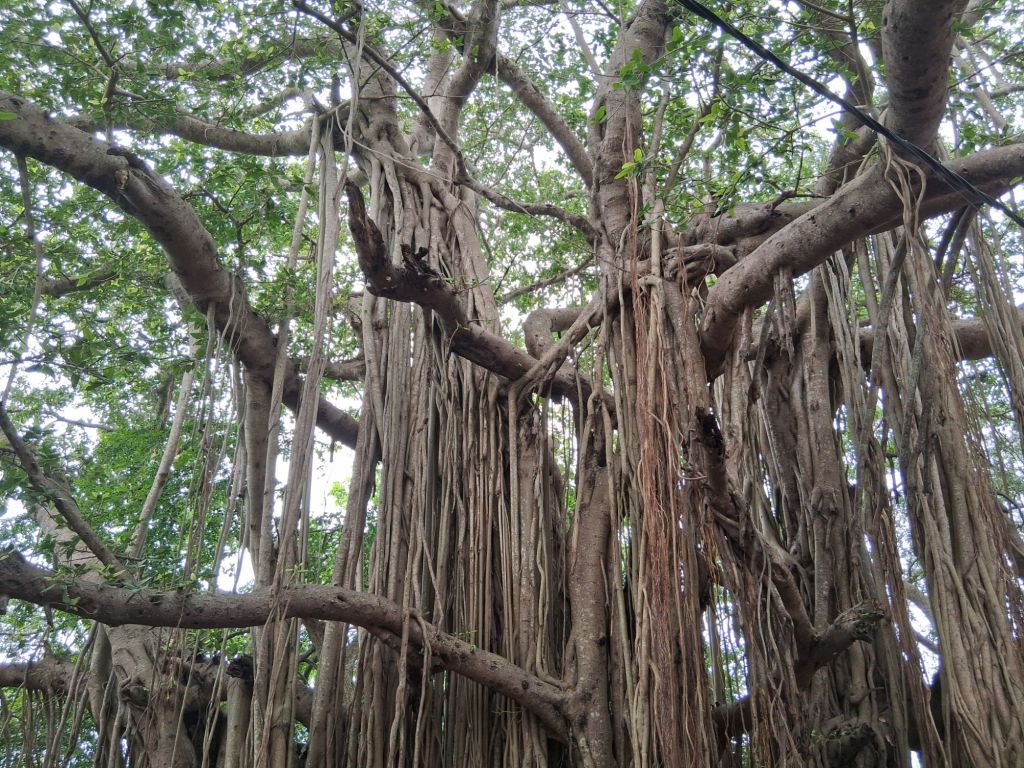
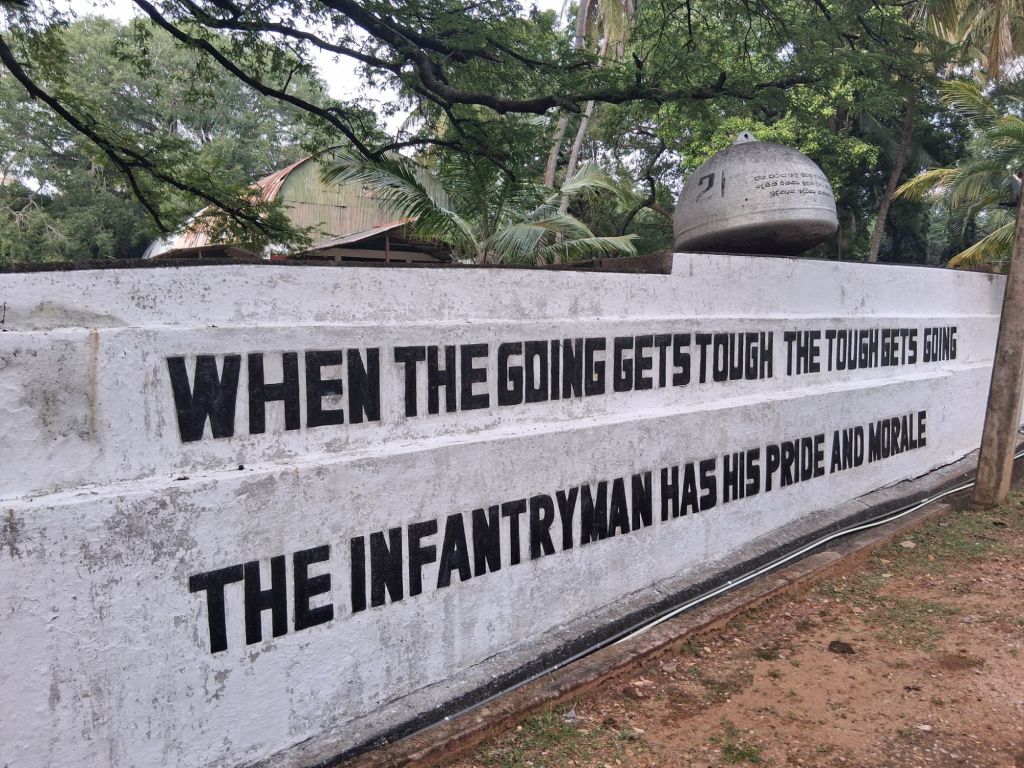
We then drove the short distance to Fort Fredrick. This was built in 1624 by the Portuguese, who in doing so, destroyed an ancient Hindu temple (makes a change for it not to be the British!). Today it is still used as a military base to defend the harbour, and there are a number of buildings still used today that look as though they have been left over by the British in the 1940s. Also, Trincomolee is home to deer, peacocks, and monkeys all generally ambling about and posing for the odd photo.
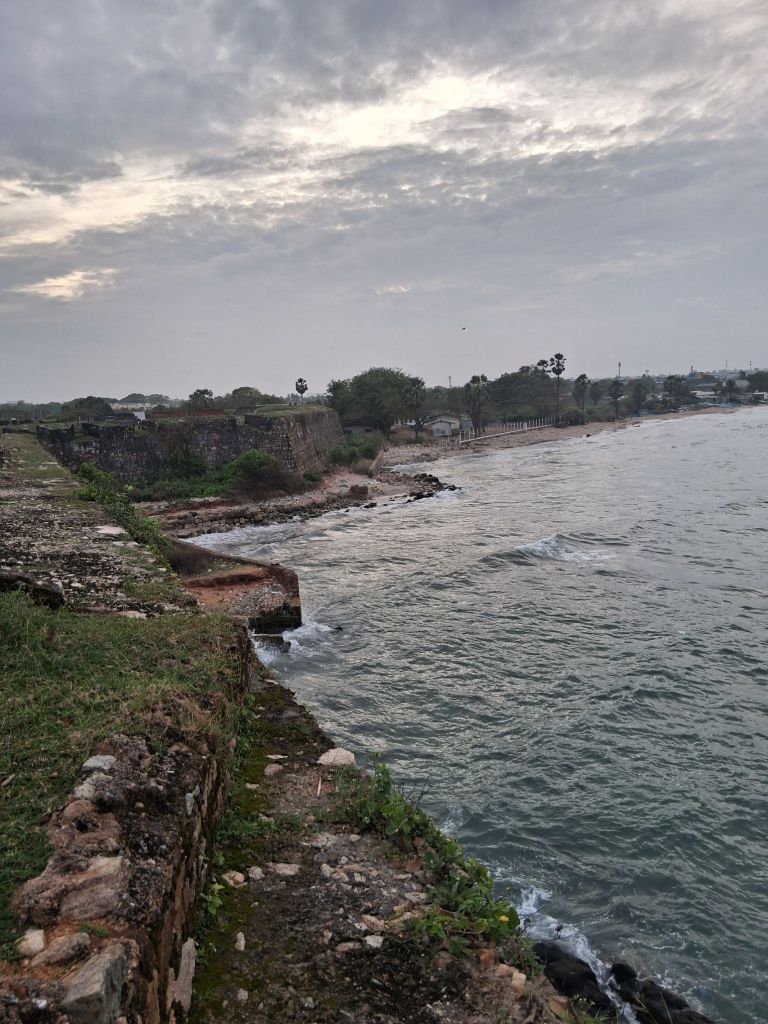
The temple that was destroyed is the Koneswaram Temple and is dedicated to the God Shiva to protect the island from natural disasters (he let himself down recently with the cyclone). The original structure could have dated back to 400BC before the dastardly Portugese destroyed it. However, it seems that some parts of the temple were simply dumped into the sea when in 1956 Arthur C Clark (yes, he of the sci-fi fame) and his diving partner discovered columns, statutes and friezes which are popular dive locations. Maybe next time…


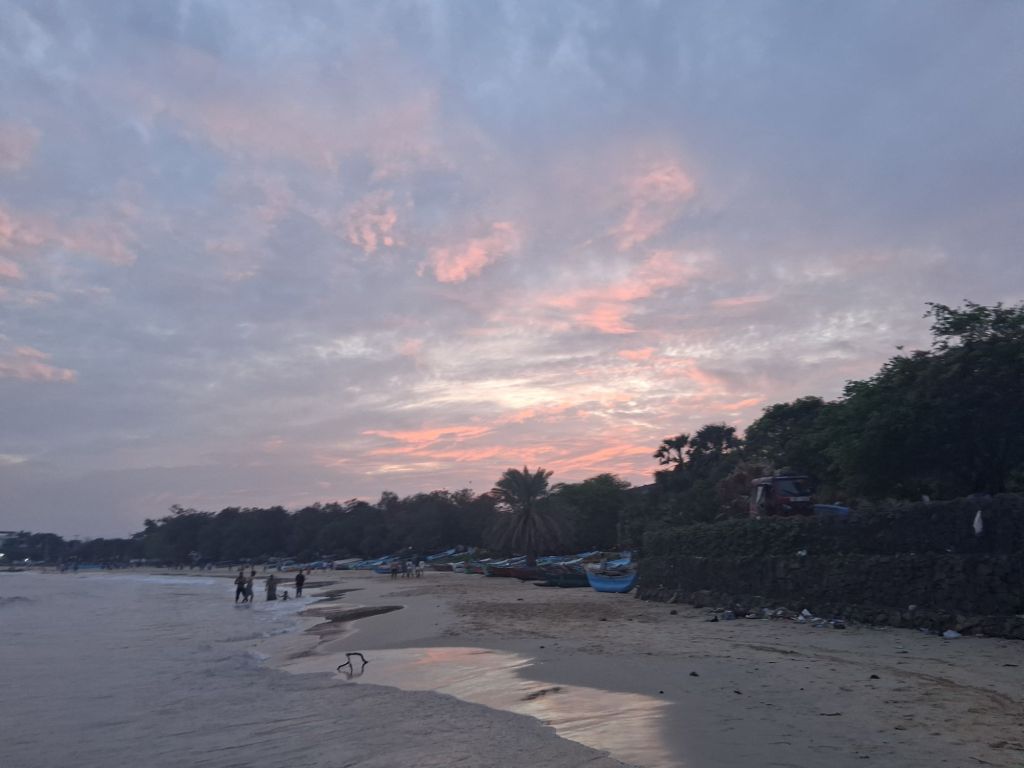
There was just time for a final trip to Dutch Bay Beach. I paddled like a Grandma as we only had 20 minutes before the beach closed at 6pm. This is most entertaining – at sunset the beach police blow a whistle and everyone dutifully gets out of the water. Done.
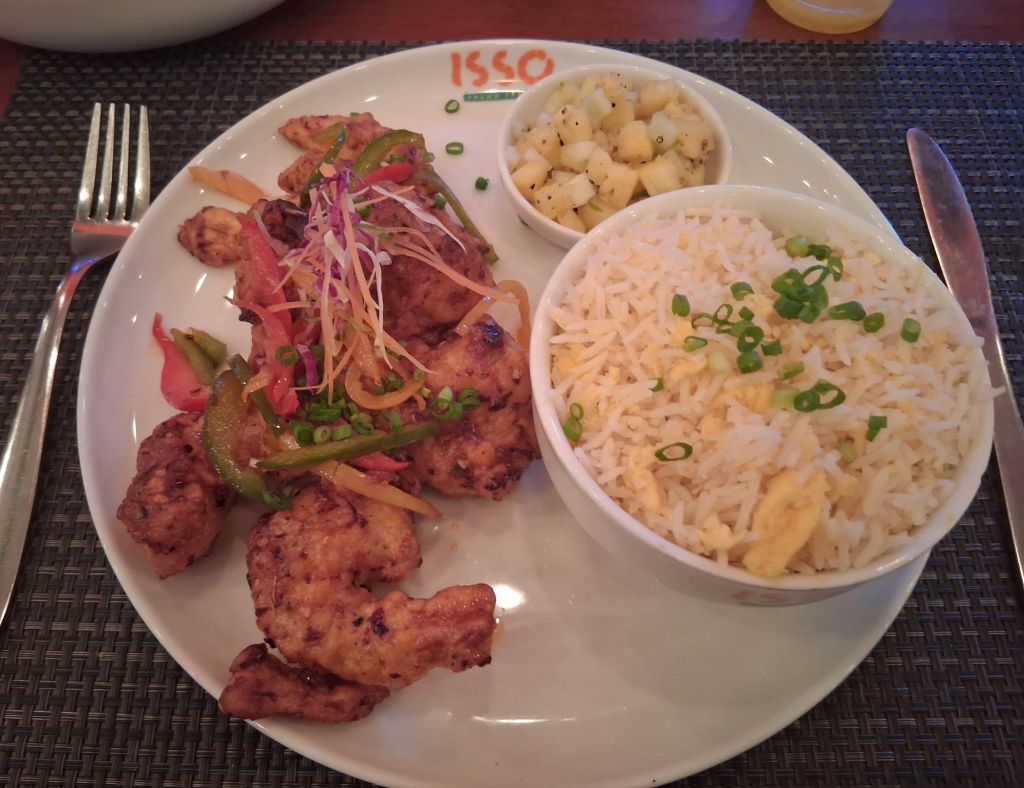
For dinner this evening I had hot butter chilli prawns and rice. I genuinely believe you would struggle to get a bad meal anywhere in Sri Lanka.
A relatively early night as tomorrow we leave for Dambulla where I hope to see my first Sri Lankan elephants. I am very excited.

 Travels with Kathryn
Leave a comment